How to Choose Reliable Suppliers of Wholesale Tissue Culture Tropical Plants
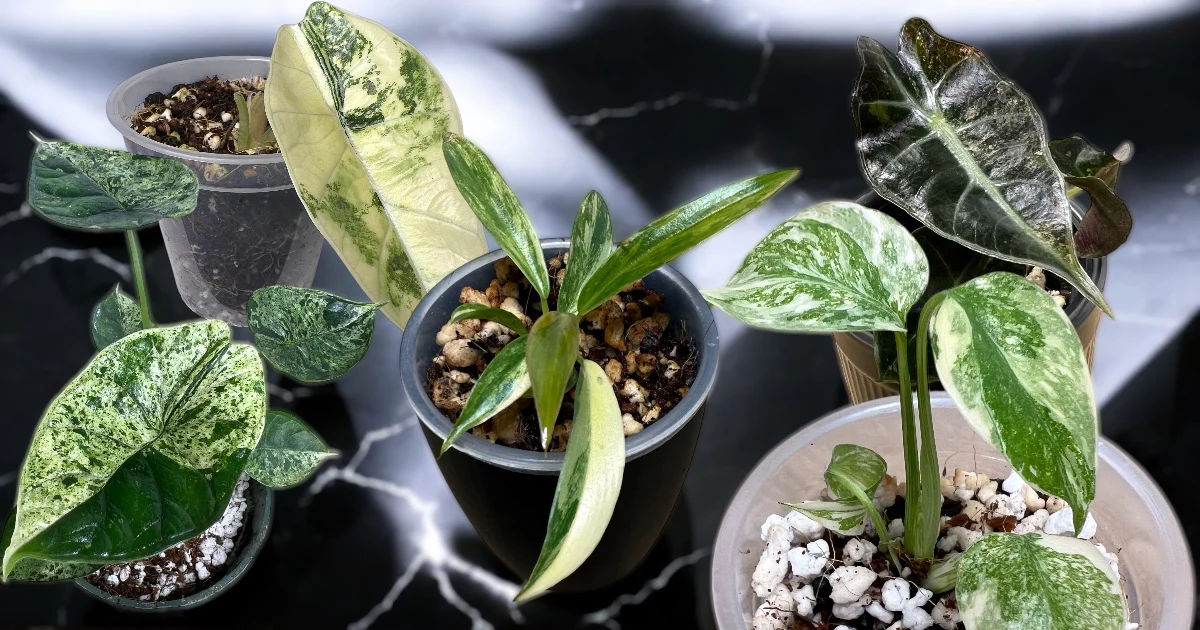
The global demand for tropical plants continues to grow rapidly across agriculture, landscaping, and interior design industries. As cities expand and commercial plantations increase, the need for high-quality, disease-free, and uniform planting material has become more important than ever. Tissue culture technology plays a central role in meeting this demand by enabling large-scale propagation under controlled laboratory conditions.
In this expanding market, selecting trustworthy suppliers is essential for ensuring consistent plant quality and long-term project success. Many commercial buyers evaluate sources of Wholesale Tissue Culture Tropical Plants to secure reliable, laboratory-grown plants that meet strict horticultural standards for both domestic and international applications.
Table of Contents
ToggleWhy Supplier Selection Is Critical
Choosing the right supplier is one of the most important decisions in the tissue culture plant industry. Since these plants are produced in sterile environments and require careful acclimatization, any weakness in production or handling can lead to poor survival rates and financial losses.
A reliable supplier ensures:
- Consistent plant quality across all batches
- High survival rates after transplantation
- Disease-free and genetically stable material
- Timely and secure delivery for bulk orders
Poor supplier selection, on the other hand, can compromise entire plantation or landscaping projects.
Evaluate Laboratory Standards
The foundation of high-quality tissue culture plants is a well-equipped and properly managed laboratory. Buyers should always assess the technical capabilities of a supplier’s production facility.
Important indicators include:
- Sterile working environments and contamination control systems
- Skilled laboratory technicians and horticultural experts
- Use of advanced culture media and growth protocols
- Strict monitoring of plant development stages
Suppliers with strong laboratory standards are more likely to produce healthy and uniform tropical plants.
Check Plant Quality and Uniformity
Uniformity is one of the key advantages of tissue culture propagation, but only when production processes are properly managed. Buyers should carefully inspect plant quality before committing to bulk orders.
Look for:
- Even growth and consistent plant size
- Healthy green coloration without stress symptoms
- Strong and well-developed root systems
- Absence of contamination or deformities
Uniform plants ensure better performance in large-scale landscaping and agricultural projects.
Assess Acclimatization and Hardening Processes
Acclimatization is a critical stage where laboratory-grown plants are adapted to natural environmental conditions. Poor hardening practices can significantly reduce survival rates after delivery.
Reliable suppliers typically provide:
- Gradual exposure to light, humidity, and temperature changes
- Controlled greenhouse environments for hardening
- Strong root development before shipment
- Monitoring systems to reduce transplant shock
This stage is essential for ensuring plant survival in real-world conditions.
Evaluate Packaging and Logistics Systems
Since tropical tissue culture plants are sensitive and delicate, proper packaging and transportation are essential. Reliable suppliers invest in specialized logistics systems to maintain plant quality during transit.
Key considerations include:
- Moisture-retaining and protective packaging materials
- Temperature-controlled shipping options
- Fast and efficient delivery methods
- Clear labeling for batch tracking and identification
Strong logistics systems reduce damage and improve delivery success rates.
Verify Certifications and Compliance Standards
Professional suppliers follow international plant health and export regulations. Certifications ensure that plants meet safety and quality requirements for global trade.
Important certifications include:
- Phytosanitary certificates for export compliance
- Disease-free plant verification reports
- Quality assurance documentation
- Adherence to international horticultural standards
These certifications build trust and reduce import risks.
Consider Supplier Experience and Reputation
Experience in tissue culture production is a strong indicator of reliability. Established suppliers are more likely to maintain consistent quality and handle large-scale orders efficiently.
Key evaluation points:
- Years of experience in tropical plant propagation
- Global customer base and project history
- Reviews from commercial growers and distributors
- Ability to fulfill bulk orders consistently
A strong reputation often reflects stable production systems and dependable service.
Compare Pricing with Value
While pricing is an important factor, it should always be evaluated alongside quality and long-term performance. The lowest price does not always represent the best value.
Buyers should consider:
- Plant survival and growth performance
- Replacement and maintenance costs
- Supplier reliability and consistency
- Long-term project success rates
Investing in higher-quality plants often results in better overall returns.
Conclusion
Selecting reliable suppliers of wholesale tissue culture tropical plants requires careful evaluation of laboratory standards, plant quality, acclimatization practices, logistics, and supplier reputation. Each of these factors plays a vital role in ensuring successful outcomes for agricultural, landscaping, and interior design projects.
As global demand for tropical plants continues to rise, working with trusted suppliers will remain essential for achieving consistent quality, improved survival rates, and long-term project success in modern horticulture.




Post Comment