How Wholesale Tissue Culture Plants Can Support Consistent Crop Production
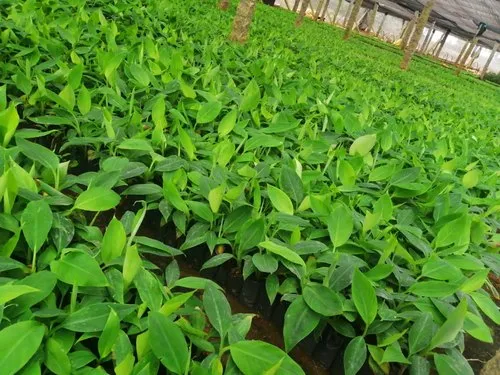
Consistent crop production depends on many factors, including planting material, growing conditions, labor, and production scheduling. For commercial nurseries and growers, variation in plant quality can make it harder to maintain predictable crop cycles and manage resources efficiently. Tissue culture propagation offers a controlled way to produce young plants in larger quantities.
For businesses considering Wholesale Tissue Culture Plants, the value lies in more than purchasing plants in bulk. Consistency in plant material, planned supply, efficient multiplication, and suitable handling can all contribute to more organized crop production. Young Plants is one supplier that growers may evaluate when comparing available sourcing options.
Consistent Starting Material
Uniform starting material can make a significant difference in commercial cultivation. Plants with similar characteristics can be established under comparable conditions, helping growers manage spacing, irrigation, nutrition, and other routine practices.
Tissue culture propagation uses controlled conditions to multiply selected plant material. When appropriate protocols are followed, this can help produce batches with relatively consistent characteristics.
Supporting Predictable Production Schedules
Commercial growers often plan their operations around specific planting and harvesting windows. A delay in receiving young plants can affect greenhouse capacity, labor allocation, and subsequent crop stages.
Planned tissue culture orders can help growers coordinate plant deliveries with their production calendars. Knowing expected quantities and delivery periods allows businesses to prepare growing space and other resources in advance.
Efficient Plant Multiplication
Tissue culture can multiply selected plant material through controlled propagation stages. This allows suppliers to produce substantial quantities from a limited amount of starting material.
For commercial operations, efficient multiplication can be particularly useful when large numbers of plants are needed within a defined production period. The actual multiplication rate varies according to the species, cultivar, and propagation method.
Supporting Uniform Crop Management
Variation in plant size and development can complicate crop management. More uniform plants can make it easier to establish consistent spacing and apply cultivation practices across a production area.
Growers may also find it easier to monitor plant development when batches have similar starting characteristics. However, uniformity after delivery still depends heavily on greenhouse conditions and cultivation practices.
Improving Resource Planning
Crop production requires careful planning of labor, growing media, containers, irrigation, fertilizer, greenhouse space, and other resources. A dependable supply of planting material can make these resources easier to schedule.
For larger operations, advance planning can help prevent situations where greenhouse space is available but suitable plants are not ready for planting.
Reducing Some Propagation Requirements
Producing plants internally can require dedicated propagation areas, equipment, labor, mother plants, and specialized knowledge. Depending on the crop and business model, purchasing tissue culture plants may reduce some of these requirements.
Growers can then focus more attention on acclimatization, crop development, finishing, and preparing plants for their intended market.
Potential Plant-Health Advantages
Tissue culture propagation takes place under controlled laboratory conditions. Proper laboratory procedures can help limit contamination during propagation and provide a more controlled starting environment.
However, tissue culture does not remove every plant-health risk. Plants must still be handled correctly during shipping, acclimatization, and subsequent cultivation. Sanitation and regular crop monitoring remain important throughout production.
Supporting Production Expansion
Businesses may need to increase output when market demand changes. A scalable source of young plants can make expansion easier to organize.
Tissue culture can support this by enabling selected plant material to be multiplied in larger quantities. Before expanding, growers should confirm that the supplier has sufficient production capacity and can maintain expected quality across larger orders.
Making Variety Management Easier
Commercial growers may cultivate multiple varieties with different production schedules and market requirements. A reliable supply of correctly identified planting material is important when managing several cultivars.
Clear labeling and organized supplier documentation can help growers keep varieties separate and reduce the risk of confusion during receiving and planting.
The Role of Acclimatization
Even high-quality tissue culture plants need appropriate care after leaving controlled laboratory conditions. Acclimatization allows plants to gradually adjust to differences in humidity, light, temperature, and growing media.
Growers should prepare their acclimatization area before a shipment arrives. Suitable humidity control, lighting, irrigation, sanitation, and temperature management can help plants transition successfully.
Choosing a Suitable Supplier
Supplier selection can influence the consistency of future crop production. Buyers should consider more than the quoted price and examine the supplier’s overall production and delivery capabilities.
Important questions include:
- Can the supplier provide the required varieties and quantities?
- What are the expected production lead times?
- How is plant quality monitored?
- How are plants packaged for transportation?
- What acclimatization guidance is provided?
- Can the supplier support recurring orders?
- How are shipping problems or damaged plants handled?
Obtaining clear answers before placing a large order can reduce uncertainty and support better production planning.
Maintaining Consistency Across Multiple Orders
A single successful shipment does not necessarily guarantee consistent results over time. Commercial growers should monitor the quality and performance of plants received across different batches.
Keeping records of delivery dates, plant condition, acclimatization results, and crop performance can help identify recurring issues. These records can also support more productive discussions with suppliers about future orders.
Conclusion
Wholesale tissue culture plants can support consistent crop production by providing commercial growers with a scalable source of relatively uniform planting material. They can contribute to more organized scheduling, efficient multiplication, resource planning, and variety management.
The results ultimately depend on the complete production process. Selecting suitable plant material, working with a capable supplier, preparing for transportation and acclimatization, and maintaining appropriate growing conditions are all essential for achieving consistent crop performance.


Post Comment