Important Factors to Consider When Choosing an LED Sign Supplier
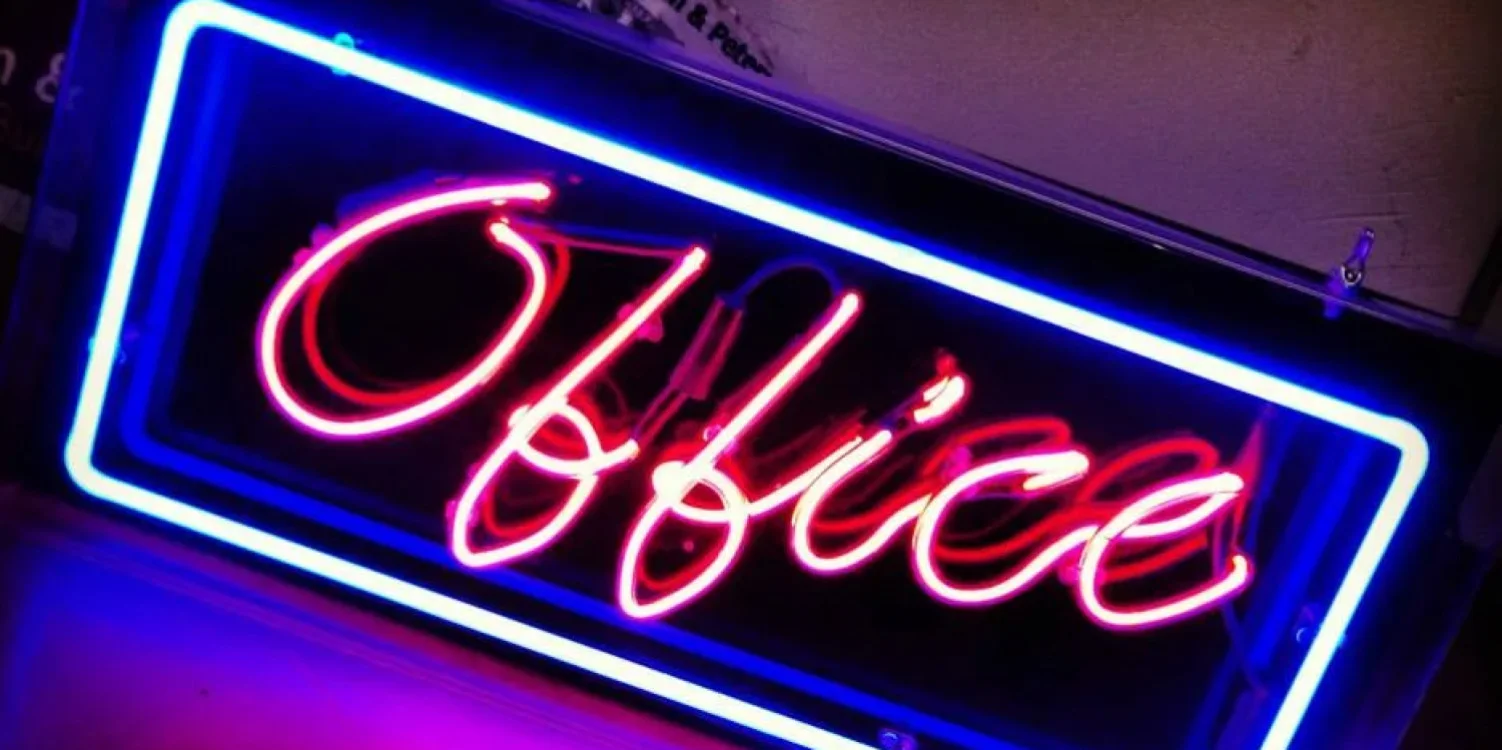
LED signage has become an essential advertising and branding tool for businesses across many industries. From retail storefronts and restaurants to offices, shopping centers, and entertainment venues, illuminated signs help attract attention, communicate information, and create a recognizable business identity. Their versatility, brightness, and energy-efficient operation make them a popular choice for modern commercial displays.
However, the quality and performance of an LED sign depend greatly on the supplier behind it. Choosing the right LED Sign Supplier requires careful research into product quality, customization capabilities, manufacturing standards, pricing, and customer service. Understanding these factors before making a purchase can help businesses find signage that meets their needs and delivers lasting value.
1. Product Quality and Material Selection
Material quality is one of the first things to investigate when comparing LED sign suppliers. The components used in manufacturing affect the sign’s appearance, structural strength, lighting consistency, and overall lifespan.
Ask suppliers about the materials used in their products, including:
- LED components: Quality LEDs should provide consistent brightness and reliable illumination.
- Acrylic panels: Check the thickness, clarity, and finishing of acrylic used for sign faces or backing.
- Metal frames: Suitable metal structures can provide additional strength and support.
- Electrical components: Power supplies, wiring, and connectors should match the sign’s technical requirements.
- Mounting hardware: Brackets and accessories should be appropriate for the sign’s size and installation location.
A professional supplier should be able to explain its material specifications and help you understand how different options affect product performance.
2. Customization and Design Flexibility
Every business has different branding and advertising requirements. A supplier should offer customization options that allow customers to create signs that match their visual identity.
Depending on the product range, customization may include:
- Company names and logos
- Custom fonts and lettering
- Different colors and lighting effects
- Personalized shapes and dimensions
- Indoor and outdoor sign configurations
- Acrylic backing styles and mounting options
Before production, ask whether the supplier can prepare a digital design preview. Reviewing the artwork helps confirm the layout, spelling, proportions, and colors before the manufacturing process begins.
Design flexibility is particularly important for businesses that want signage to complement an existing brand identity rather than use a standard template.
3. Manufacturing Experience and Technical Expertise
A supplier’s experience can provide valuable insight into its ability to handle different signage projects. Manufacturers familiar with commercial applications are more likely to understand practical considerations such as visibility, dimensions, electrical requirements, and installation conditions.
Review the company’s portfolio to identify projects similar to yours. Look for examples of storefront signs, illuminated logos, promotional displays, directional signage, and custom decorative installations.
You should also ask about the manufacturing process and whether the company has the equipment and technical capabilities needed to produce your requested design.
4. Lighting Performance and Energy Efficiency
LED signs are widely used because they can deliver effective illumination with relatively low energy consumption compared with many traditional lighting technologies.
However, lighting performance varies between products. A quality sign should provide suitable brightness, consistent colors, and an appearance that matches the approved design.
Consider the following:
- Brightness appropriate for the intended viewing distance
- Uniform illumination across the display
- Suitable color options and consistency
- Power consumption and operating voltage
- Dimming or control features, where available
- Compatibility with the installation environment
For outdoor advertising, visibility in daylight and changing weather conditions may be important. Indoor displays may require adjustable brightness to create a comfortable visual environment.
5. Safety Standards and Certifications
Electrical safety should be a priority when purchasing illuminated signage. Ask whether the supplier follows applicable safety requirements and can provide relevant testing information or certification documents.
Important details include the sign’s operating voltage, power supply specifications, insulation, wiring, and electrical protection.
If you plan to install the sign outdoors, check its suitability for moisture, dust, sunlight, and temperature changes. Ask for the relevant ingress protection rating and clarify whether it applies to the complete sign or only certain components.
Where local regulations require specific approvals, confirm that the product and installation arrangements meet those requirements.
6. Pricing and Quotation Transparency
Price is an important factor, but the cheapest option is not necessarily the best investment. Different suppliers may use different materials, lighting components, construction methods, and finishing standards.
Request detailed quotations so you can compare products accurately. A useful quotation should include:
- Sign dimensions and design specifications
- Materials and lighting components
- Customization and setup charges
- Power supplies and mounting accessories
- Packaging and delivery costs
- Estimated production time
- Warranty and support information
Compare quotations based on equivalent specifications. This helps you understand whether a lower price reflects genuine savings or differences in product quality.
7. Production Capacity and Order Flexibility
The supplier should be capable of handling the quantity and complexity of your project. A small business may need only one custom storefront sign, while a larger company may require multiple signs for different locations.
Before placing an order, discuss production capacity, minimum order quantities, scheduling, and the availability of materials.
If you anticipate future orders, ask whether the supplier can retain approved design files and specifications. This can make it easier to maintain consistent branding across multiple branches or repeat purchases.
8. Delivery Time and Packaging Quality
Reliable delivery is especially important when signage is needed for a store opening, marketing campaign, exhibition, or promotional event.
Ask the supplier for a realistic production and shipping estimate. Confirm whether tracking information and regular order updates are provided.
Packaging should protect the sign against scratches, impact, moisture, and movement during transportation. Acrylic panels and electrical components may require additional protective materials.
For international orders, clarify shipping charges, customs documentation, delivery responsibilities, and procedures for reporting damaged goods.
9. Warranty and After-Sales Service
A dependable supplier should provide clear warranty terms and explain what support is available after delivery. This matters because businesses may need assistance with electrical components, replacement parts, or technical questions.
Before purchasing, ask:
- How long does the warranty last?
- Which components and defects are covered?
- What conditions are excluded?
- How can customers request technical support?
- Are replacement components available?
- What information is required to submit a warranty claim?
Keep a copy of the warranty, invoice, and product specifications for future reference.
10. Customer Reviews and Business Reputation
Customer feedback can help you understand how a supplier performs beyond its product descriptions. Reviews may reveal useful information about communication, design accuracy, product quality, delivery reliability, and problem resolution.
Look for feedback from multiple sources rather than relying on testimonials published only on the supplier’s website.
It is also helpful to review completed projects and request references when appropriate. A supplier with experience serving businesses similar to yours may be better prepared to understand your expectations.
11. Installation Requirements and Maintenance
Before selecting a sign, consider how it will be installed and maintained. A product that looks suitable in a catalog may require different mounting arrangements depending on the installation surface and location.
Discuss whether the supplier provides mounting hardware, installation instructions, or professional installation assistance.
For outdoor signs, confirm that the construction and mounting method are appropriate for the expected environmental conditions. Large signs or installations involving fixed electrical connections may require qualified professionals.
Routine maintenance can help preserve appearance and performance. Follow the manufacturer’s cleaning recommendations, avoid abrasive materials, and periodically inspect mounting hardware and visible wiring.
12. Communication and Customer Support
Good communication helps prevent misunderstandings throughout the ordering process. A professional supplier should respond clearly to questions, explain technical details, and provide updates when necessary.
Pay attention to how the company handles your initial inquiry. Does it understand your requirements? Can it explain available options? Does it provide clear information about pricing, production, and delivery?
A supplier that communicates effectively is more likely to make the purchasing process organized and straightforward.
13. Consider Long-Term Value Rather Than Initial Cost
An LED sign is often a long-term business asset, so its value should be assessed beyond the purchase price.
Consider the expected operating costs, maintenance requirements, component availability, warranty coverage, and suitability for your advertising goals.
A well-designed sign with appropriate materials and reliable electrical components can support brand visibility for years when properly installed and maintained.
For businesses planning multiple signage projects, a supplier that offers consistent specifications and dependable support may also provide advantages over time.
Conclusion
Choosing an LED sign supplier involves evaluating several important factors, including product quality, design flexibility, manufacturing experience, lighting performance, safety standards, pricing, and customer support. Each of these elements contributes to the final product’s appearance, reliability, and suitability for commercial use.
Businesses should take time to compare suppliers, review portfolios, request detailed quotations, and clarify warranty and delivery arrangements before placing an order. By focusing on quality and long-term value rather than price alone, you can select a supplier capable of delivering effective signage that strengthens brand recognition and supports your advertising objectives.




Post Comment