Muslim Basin Installation Tips for Architects and Facility Managers
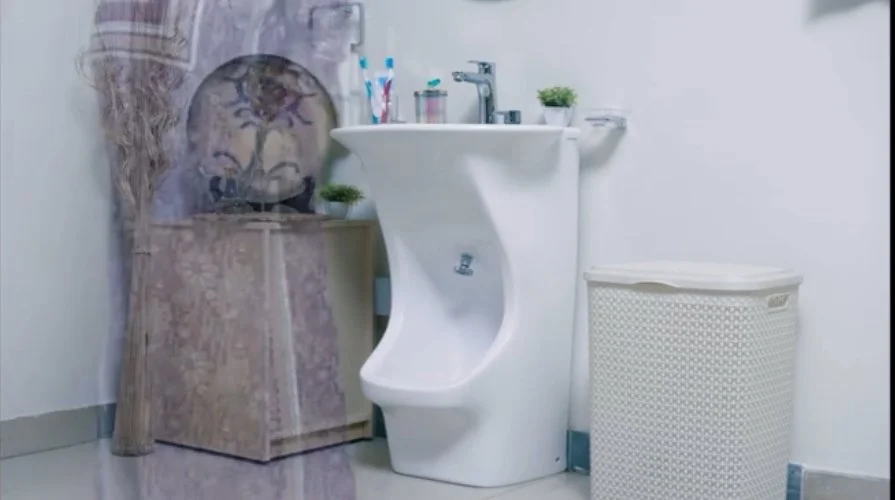
Modern mosques, airports, schools, and commercial buildings require well-planned ablution areas that balance hygiene, durability, and user comfort. The Muslim Basin is a key component in these spaces, designed to support efficient Wudu practices while ensuring safety and convenience for large numbers of users.
For architects and facility managers, proper installation is just as important as product selection. A well-installed system ensures long-term performance, reduced maintenance costs, and better user experience. A high-quality Muslim Basin made from solid surface materials can significantly improve the efficiency and functionality of modern ablution facilities.
Table of Contents
ToggleUnderstanding the Installation Requirements
Before installing a Muslim Basin, it is essential to evaluate the project requirements and site conditions. Proper planning helps avoid operational issues later.
Key considerations include:
- Available space and layout design
- Expected user capacity
- Plumbing and drainage positioning
- Peak usage patterns
- Accessibility requirements
A clear assessment ensures smoother installation and operation.
Choosing the Right Location
Location plays a critical role in the efficiency of ablution areas. Poor placement can lead to congestion and inconvenience.
Ideal placement should ensure:
- Easy access from prayer or public areas
- Proper separation of wet and dry zones
- Efficient user flow during peak hours
- Adequate ventilation and lighting
Good location planning improves both comfort and hygiene.
Proper Height and Ergonomic Setup
Ergonomics is essential for ensuring user comfort during Wudu. Incorrect height can cause discomfort or difficulty in use.
Installation guidelines include:
- Standardized basin height for standing users
- Optional seated configurations for accessibility
- Comfortable reach to water outlets
- Balanced spacing between units
This ensures usability for all age groups.
Plumbing and Drainage Optimization
Efficient water management is critical for maintaining hygiene and preventing water accumulation.
Best practices include:
- Proper slope for fast drainage
- Anti-blockage pipe systems
- Multiple drainage points in large setups
- Leak-proof pipe connections
A well-designed drainage system improves long-term performance.
Ensuring Hygiene During Installation
Hygiene should be maintained not only during use but also during installation.
Key installation practices include:
- Using clean and sealed components
- Avoiding exposed joints and gaps
- Ensuring smooth surface alignment
- Testing water flow before final use
This helps maintain sanitary conditions from the start.
Material Handling and Protection
Solid surface materials require careful handling during installation to avoid damage.
Important steps include:
- Preventing surface scratches during transport
- Proper support during fitting
- Avoiding harsh tools during installation
- Checking structural alignment carefully
Proper handling ensures long-term durability.
Space Optimization for High-Traffic Areas
In busy environments, efficient use of space is essential to manage large user volumes.
Space planning tips include:
- Multi-user basin configurations
- Wall-aligned installations
- Clear walking pathways
- Organized queue flow design
This reduces congestion during peak usage times.
Water Efficiency Setup
Modern installations should also support sustainable water usage practices.
Efficiency measures include:
- Flow-regulated tap systems
- Splash-reduction basin design
- Optimized water pressure settings
- Efficient drainage flow systems
These features help reduce water consumption.
Safety Considerations During Installation
Safety is a key responsibility for architects and facility managers.
Important safety measures include:
- Anti-slip flooring around basin areas
- Rounded edges to prevent injuries
- Proper lighting in wet zones
- Secure mounting of basin units
This ensures a safe environment for users.
Maintenance Access Planning
Good installation design should make future maintenance easier and more efficient.
Planning should include:
- Easy access to plumbing connections
- Removable panels for inspection
- Clear drainage maintenance points
- Minimal obstruction around units
This reduces long-term operational challenges.
Export and Project Planning Advantages
For international projects, proper installation standards help ensure compliance and long-term success.
Key advantages include:
- Better acceptance in global construction projects
- Reduced installation errors in large-scale developments
- Improved contractor efficiency
- Higher client satisfaction in final delivery
This is especially important for mosque and infrastructure projects.
Conclusion
Proper installation of a Muslim Basin is essential for ensuring hygiene, durability, and user comfort in modern ablution facilities. Architects and facility managers must focus on planning, placement, drainage, and safety to achieve the best results.
For manufacturers and exporters, well-designed installation-friendly systems offer strong advantages in global markets. A Wudu Sink from KingKonree Solid Surface demonstrates how quality design and proper installation practices combine to deliver efficient, long-lasting ablution solutions for modern infrastructure worldwide.




Post Comment