PETG Film for Printing and Graphics: Features and Benefits
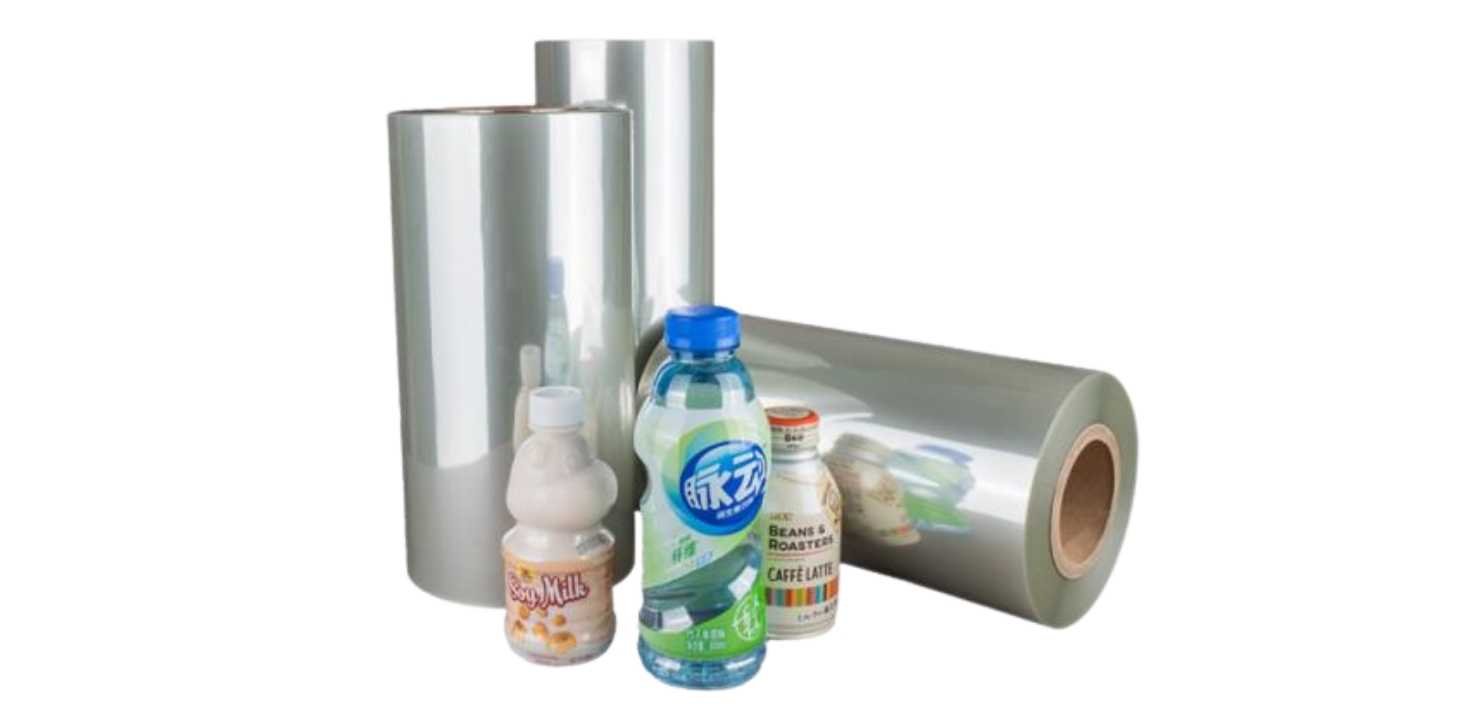
In the printing and graphics industry, material selection plays a crucial role in determining print quality, durability, and visual impact. As demand grows for high-performance substrates that deliver both clarity and strength, advanced polymer films have become increasingly important. Among these materials, PETG-based solutions are widely used due to their excellent optical properties and compatibility with various printing technologies.
Modern signage, packaging graphics, and display materials require substrates that can maintain sharp image reproduction while also resisting damage during handling and installation. This balance of aesthetics and performance is where PETG materials demonstrate strong advantages over many traditional plastic films.
In professional printing applications, consistency and reliability are essential. Many manufacturers prefer PETG film because it provides a stable printing surface that supports high-resolution graphics, vibrant color output, and excellent adhesion across multiple printing methods.
Table of Contents
ToggleExcellent Print Clarity and Image Definition
One of the most important requirements in graphics printing is image clarity. PETG film offers a smooth and uniform surface that enhances ink adhesion and reduces distortion during printing. This results in sharper details and more accurate color reproduction, especially in high-resolution designs.
Because PETG maintains high transparency, it is also ideal for applications where printed graphics are layered over clear or semi-transparent backgrounds. This makes it suitable for retail displays, backlit signage, and decorative panels.
Compared to many conventional plastic substrates, PETG minimizes optical distortion, ensuring that text and images remain crisp and visually appealing even at close viewing distances.
Compatibility with Multiple Printing Technologies
PETG film is highly versatile when it comes to printing methods. It works well with several industrial printing technologies, including:
- UV printing
- Screen printing
- Digital inkjet printing
- Offset printing (in certain applications)
This broad compatibility allows designers and manufacturers to choose the most efficient printing process based on production scale and design complexity.
UV printing, in particular, performs exceptionally well on PETG due to its fast curing and strong adhesion. This makes it suitable for high-speed production environments where durability and efficiency are essential.
Strong Durability and Scratch Resistance
Durability is a key requirement for printed materials used in signage, packaging, and point-of-sale displays. PETG offers excellent impact resistance compared to many other transparent films, reducing the risk of cracking or damage during handling.
In addition to impact strength, PETG also provides good scratch resistance when properly treated or coated. This ensures that printed surfaces maintain their visual quality over time, even in high-traffic environments.
Its durability makes it especially useful for applications such as:
- Retail display graphics
- Protective printed overlays
- Advertising panels
- Industrial labeling
Excellent Thermoforming and Design Flexibility
Another major advantage of PETG in graphics applications is its thermoforming capability. After printing, the film can be shaped into curved or three-dimensional structures without significant loss of image quality.
This flexibility allows designers to create visually engaging displays that go beyond flat surfaces. It is commonly used in:
- 3D signage and advertising displays
- Formed retail stands
- Custom packaging graphics
- Contoured product covers
Unlike more rigid materials, PETG maintains clarity and structural stability even after forming, ensuring that printed graphics remain visually consistent.
Chemical Resistance and Long-Term Stability
Printed materials are often exposed to environmental factors such as moisture, cleaning agents, and UV light. PETG provides good resistance to many chemicals and environmental conditions, helping preserve print quality over time.
Its stability ensures that colors remain vibrant and do not fade quickly, making it suitable for both indoor and semi-outdoor applications. While not as chemically resistant as some specialized industrial films, it offers a balanced combination of durability and print performance.
Sustainability and Processing Efficiency
As industries move toward more sustainable materials, PETG has gained attention for its recyclability and efficient processing. It can be produced and formed at relatively low temperatures, reducing energy consumption during manufacturing.
Additionally, its durability extends product lifespan, reducing the need for frequent replacement of printed materials. This contributes to lower material waste in large-scale printing and signage operations.
Conclusion
PETG film has become a valuable material in the printing and graphics industry due to its combination of clarity, durability, and processing flexibility. It supports high-quality image reproduction, works with multiple printing technologies, and maintains performance even under demanding conditions.
With its ability to be printed, formed, and used across a wide range of applications, PETG continues to play an important role in modern visual communication and industrial design.





Post Comment