The Role of Dimming Technology in Modern Tunnel Lighting Systems
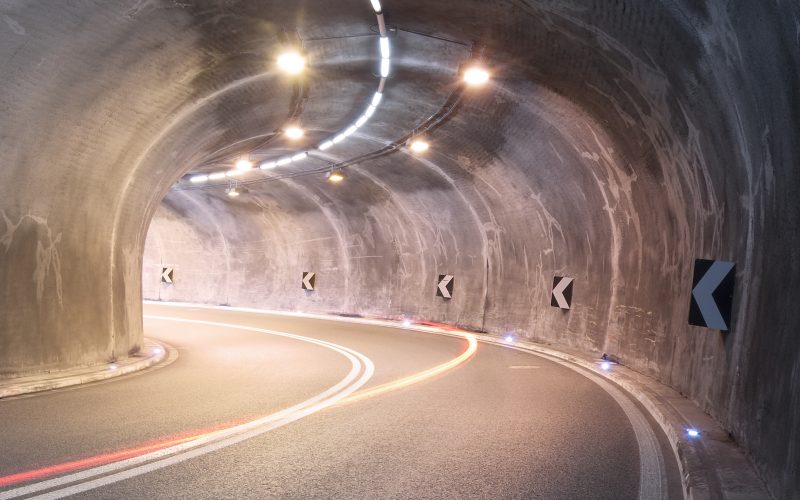
Modern tunnel lighting systems need to respond to changing environmental and operational conditions. Daylight levels, traffic patterns, and different tunnel zones can affect how much illumination is required at a particular time. Dimming technology provides a way to adjust lighting output rather than operating every fixture at a fixed level.
When evaluating an LED Tunnel Lighting Manufacturer, it is useful to consider how dimming functions are integrated into the fixture and control system. Properly designed dimming can help manage energy consumption while maintaining suitable illumination for changing tunnel conditions.
What Is Tunnel Lighting Dimming?
Dimming refers to adjusting the light output of LED fixtures according to a predefined control signal or operating condition. Instead of switching fixtures fully on or off, a dimming system can operate them at different output levels.
The exact control method depends on the fixture, driver, and lighting management system. Compatibility between these components is important for stable and predictable operation.
Why Dimming Is Important in Tunnels
Tunnel lighting requirements are not necessarily constant throughout the day. For example, entrance areas can experience significant changes in daylight levels, while interior sections may require more consistent illumination.
A dimming system allows lighting output to respond to these changes. This can reduce unnecessary energy consumption while keeping illumination appropriate for the conditions.
Daylight-Based Dimming
Natural daylight is particularly important near tunnel entrances. During bright daytime conditions, higher lighting levels may be needed to manage the visual transition between outdoor and tunnel environments.
As outdoor brightness decreases, the required lighting level can also change. Sensors and control systems can be used to adjust fixture output based on measured environmental conditions.
Dimming by Tunnel Zone
Different sections of a tunnel can require different lighting levels. Entrance, threshold, transition, interior, and exit zones may each have distinct illumination requirements.
A control system can manage these zones separately when the lighting infrastructure supports appropriate control channels. This allows output to be adjusted according to the characteristics of each area rather than applying the same setting throughout the tunnel.
Energy Management
Operating LED fixtures below maximum output can reduce electricity consumption when full illumination is not necessary. The potential savings depend on operating schedules, fixture characteristics, control settings, and project conditions.
Dimming should therefore be considered as part of an overall energy management strategy. Efficient LEDs, appropriate optical design, and suitable fixture spacing also contribute to system performance.
Dimming and LED Driver Compatibility
The driver plays an important role in dimming because it controls the electrical power delivered to the LEDs. Not every driver supports the same dimming method or control signal.
Manufacturers should specify which dimming protocols and control interfaces are supported by their fixtures. Confirming compatibility before installation can help avoid control problems later.
Common Dimming Methods
Tunnel lighting systems can use different approaches to regulate LED output. Depending on the equipment, these may include analog control, digital communication, pulse-width modulation, or other dedicated control methods.
Each approach has different technical characteristics. The appropriate method depends on the fixture driver, control architecture, installation scale, and project requirements.
Smooth Changes in Light Output
Abrupt changes in brightness can create an uncomfortable visual experience, particularly in transition areas. Dimming systems can be configured to change output gradually rather than switching immediately between different levels.
A controlled transition can help maintain more consistent visual conditions as drivers move through different sections of a tunnel.
Dimming and Glare Management
Lighting output can influence perceived brightness and glare. In situations where maximum output is unnecessary, reducing fixture intensity can help limit excessive brightness.
However, dimming should not be used simply to reduce light levels without considering required visibility. Lighting levels should remain appropriate for the tunnel zone and operating conditions.
Centralized Lighting Control
Large tunnel projects may use centralized control systems to manage many fixtures simultaneously. Such systems can provide operators with a way to monitor and adjust lighting settings across different tunnel sections.
Centralized management can also make it easier to establish schedules, respond to changing conditions, and identify potential equipment issues.
Sensors and Automated Control
Sensors can provide real-time information that allows lighting controls to respond automatically. Depending on the system, sensors may monitor daylight levels, traffic conditions, or other environmental parameters.
Automated control can reduce the need for manual adjustments. The sensor and control strategy should, however, be properly calibrated to prevent unnecessary changes in lighting output.
Maintenance and System Reliability
Dimming systems introduce additional electronic and control components that need to operate reliably over time. Proper installation, compatible equipment, and suitable environmental protection are important for maintaining system performance.
Maintenance teams should also have access to control documentation and configuration information. This can make troubleshooting easier if a fixture or control channel does not respond as expected.
Testing Dimming Performance
Before a tunnel lighting system is placed into service, dimming functions can be tested under different operating conditions. Testing can verify that fixtures respond correctly to control signals and that transitions occur as intended.
Project teams can also check whether lighting levels remain within the required range when different dimming settings are applied.
Conclusion
Dimming technology provides modern tunnel lighting systems with greater flexibility by allowing fixture output to respond to changing environmental and operational conditions. It can support energy management, zone-specific lighting, glare control, and gradual changes in illumination.
For a reliable installation, dimming should be considered alongside LED efficiency, driver compatibility, control architecture, sensor performance, and tunnel lighting requirements. A properly integrated system can provide adjustable illumination while maintaining the performance expected from a modern tunnel lighting installation.




Post Comment