What Makes DKL Jewelry a Distinctive Choice for Modern Jewelry Lovers?
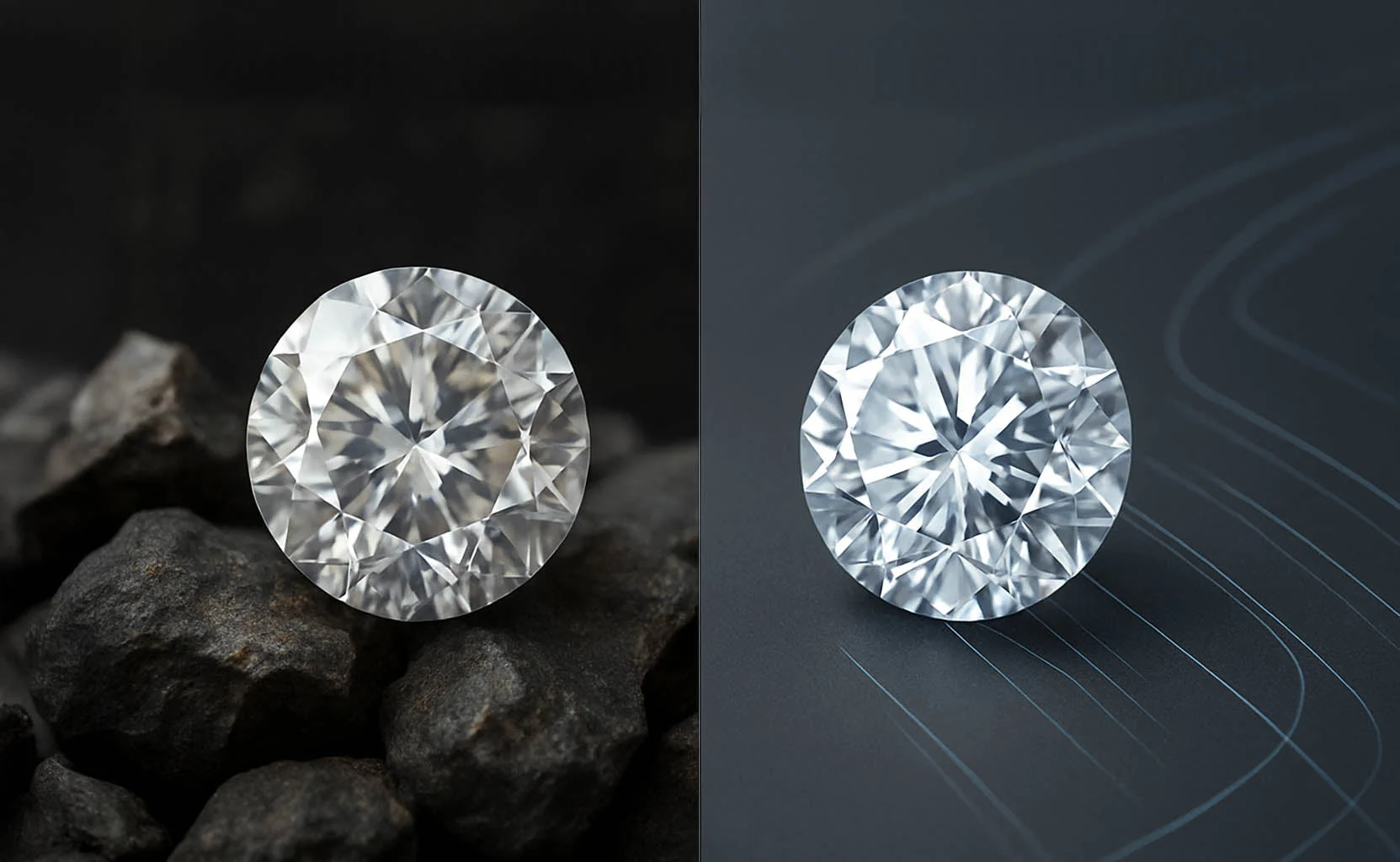
Modern jewelry lovers often look for pieces that reflect their personal style while offering versatility, thoughtful design, and dependable quality. Jewelry is no longer viewed only as an accessory for special occasions. Many people choose pieces that complement everyday outfits, express individuality, and remain relevant as fashion preferences change. This has made design variety and attention to detail increasingly important in the jewelry market.
As customer expectations evolve, brands need to balance visual appeal with practical considerations such as material selection, finishing, and wearability. DKL Jewelry is part of a jewelry landscape where customers increasingly value distinctive designs and a considered approach to style, quality, and presentation.
Understanding the Preferences of Modern Jewelry Lovers
Today’s jewelry customers have diverse tastes. Some prefer understated designs that can be worn regularly, while others are drawn to bold pieces that make a statement. Many also look for jewelry that can transition easily between casual settings, professional environments, and formal occasions.
Several preferences influence modern jewelry choices:
- Versatility: Pieces that coordinate with different outfits and occasions.
- Individual expression: Designs that reflect personal taste and identity.
- Comfort: Practical shapes and proportions suitable for regular wear.
- Design quality: Balanced details, attractive finishes, and carefully considered construction.
- Timeless appeal: Styles that remain enjoyable beyond short-lived fashion trends.
Understanding these preferences helps explain why distinctive jewelry is about more than appearance alone.
A Balance Between Contemporary and Classic Design
One feature that makes jewelry appealing to a broad audience is its ability to combine modern design elements with familiar styles. Classic jewelry forms often remain popular because of their simplicity and lasting visual appeal. Contemporary details can give these familiar designs a fresh interpretation.
For example, a traditional pendant may be updated with a streamlined silhouette, while a classic gemstone ring may feature a more modern setting. These adjustments can make a design feel current without losing its connection to established jewelry traditions.
This balance is particularly useful for customers who want jewelry that feels fashionable but is not limited to one season or trend.
The Importance of Design Variety
A distinctive jewelry collection should offer options for different preferences and occasions. Variety allows customers to explore different shapes, proportions, materials, and design styles rather than choosing from a narrow selection.
Minimalist Jewelry
Minimalist pieces focus on clean lines and subtle details. Simple necklaces, delicate bracelets, and understated earrings are often suitable for everyday styling.
Statement Pieces
Statement jewelry uses more noticeable shapes, larger proportions, or distinctive arrangements to create visual impact. These designs can become focal points for formal outfits or special occasions.
Gemstone Jewelry
Gemstones introduce color, texture, and character. Their appearance can influence the overall style of a piece, whether the design is classic, contemporary, or highly decorative.
Coordinated Designs
Matching or complementary pieces can create a consistent look. Jewelry sets may include necklaces, earrings, rings, or bracelets designed around a shared visual theme.
Craftsmanship and Attention to Detail
Design is only one part of a satisfying jewelry experience. Construction and finishing also influence how a piece looks and performs over time.
Careful craftsmanship involves several important considerations, including accurate stone placement, smooth edges, secure settings, and consistent polishing. These details help create a finished product that looks balanced and feels comfortable to wear.
The quality of small components matters too. Clasps, links, prongs, and connections should be appropriate for the design and intended use. When these elements are carefully considered, they contribute to the overall reliability and presentation of the jewelry.
Material Choices and Their Influence on Style
Materials help define the appearance and character of a jewelry piece. Different metals offer distinct colors and finishes, while gemstones can add contrast, brightness, or subtle visual interest.
When selecting jewelry, customers may consider:
- The color and finish of the metal.
- The appearance and characteristics of any gemstones.
- How the materials complement personal style.
- Whether the design is suitable for frequent use.
- The care and maintenance requirements of the piece.
Understanding these factors can help customers make more informed choices. It also highlights why material selection should be considered alongside design rather than treated as a separate decision.
Jewelry as a Form of Personal Expression
Jewelry often carries meaning beyond its decorative purpose. A necklace may represent a personal milestone, a ring may mark an important occasion, and a pair of earrings may reflect someone’s everyday aesthetic.
Modern consumers increasingly use accessories to communicate their preferences and individuality. Some choose subtle designs that blend naturally with their wardrobe, while others prefer distinctive pieces that express confidence and creativity.
A varied approach to jewelry design makes room for these different forms of expression. It allows customers to select pieces based on their own tastes rather than following a single definition of what is fashionable.
Practical Considerations for Everyday Wear
Jewelry that looks attractive should also suit the way it will be used. A piece intended for daily wear may need different design considerations from one reserved for occasional events.
Comfort, weight, proportions, and construction can all affect wearability. For example, earrings should feel manageable for their intended duration of use, while bracelets and necklaces should have practical closures and suitable dimensions.
Customers should also consider care instructions. Some materials and settings require more careful handling or regular maintenance to preserve their appearance. Choosing jewelry with an understanding of these requirements can help support long-term enjoyment.
The Continuing Influence of Changing Jewelry Trends
Fashion trends influence the shapes, colors, and combinations that become popular, but not every trend has lasting appeal. Some design directions gradually become part of everyday jewelry preferences, while others remain associated with a particular season or style movement.
Modern jewelry lovers can benefit from combining trend-led pieces with classic designs. This creates flexibility without requiring an entirely new collection whenever preferences change.
Designers and jewelry businesses also need to understand how customers interpret trends. The most successful design decisions often consider not only what is currently popular but also how a piece will fit into a customer’s existing wardrobe and lifestyle.
Conclusion
A distinctive jewelry choice brings together thoughtful design, material selection, craftsmanship, and practical wearability. Modern jewelry lovers value pieces that reflect their personalities while offering the versatility to suit different occasions and changing preferences.
By considering both contemporary aesthetics and established jewelry-making principles, customers can find designs that feel individual without sacrificing quality or comfort. Ultimately, jewelry stands out when its appearance, construction, and purpose work together to create a meaningful and enjoyable accessory.


Post Comment