Why DIN Rail Relay Bases Are Useful for Organized Panel Design
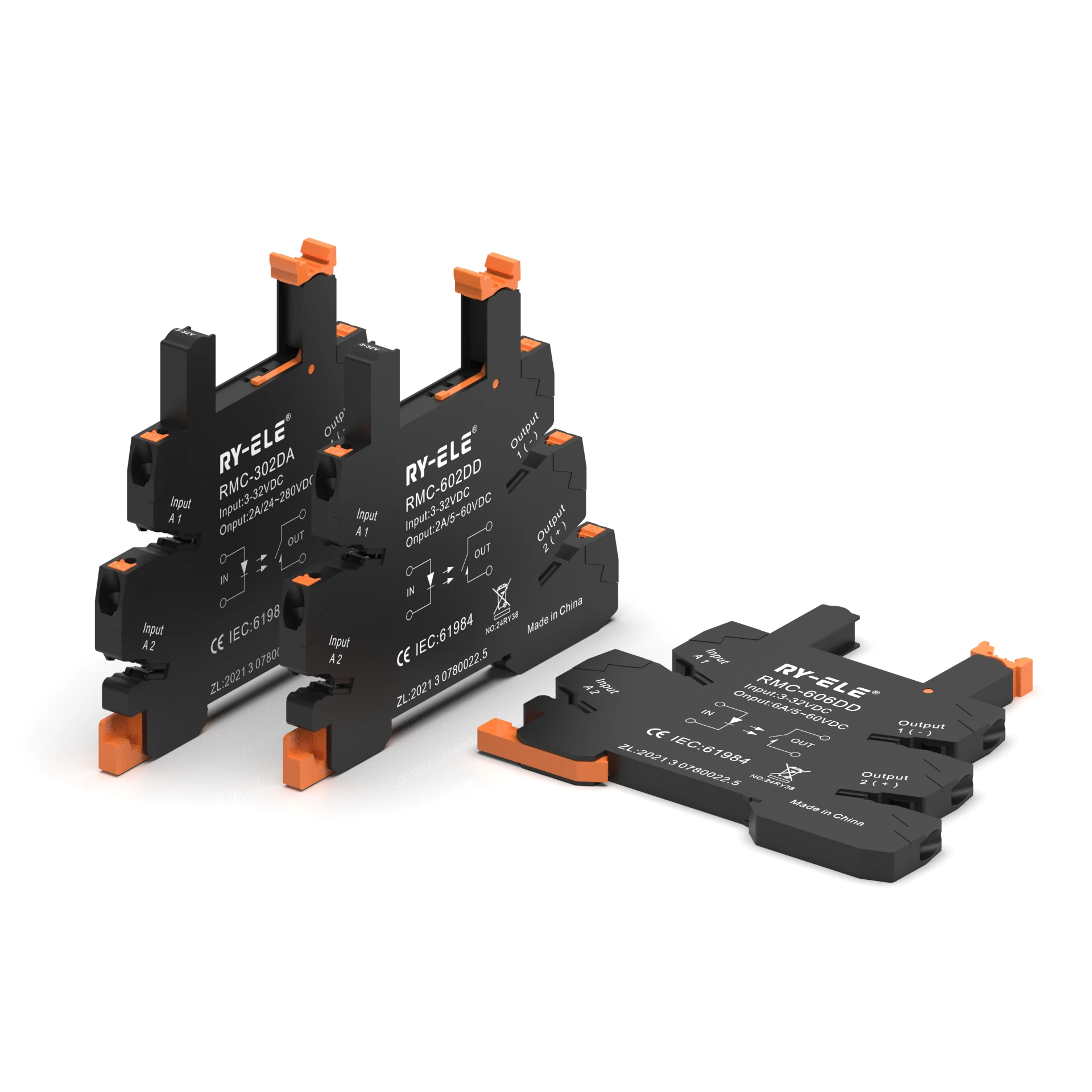
A well-organized control panel is easier to install, inspect, troubleshoot, and maintain. As the number of electrical components increases, careful component placement and structured wiring become increasingly important for keeping the cabinet practical and reliable.
A DIN Rail Relay Base supports organized relay installation by providing a dedicated mounting and wiring point on a standard DIN rail. This approach can make better use of cabinet space while keeping relay circuits accessible for inspection and servicing.
Efficient Use of Panel Space
Control cabinets often contain limited mounting space. DIN rail components help designers arrange multiple devices in a compact and systematic layout.
Relay bases can be positioned alongside terminal blocks, circuit protection devices, controllers, and other DIN rail-mounted equipment. This creates a structured arrangement without requiring separate mounting hardware for every component.
Cleaner Wiring Layout
A dedicated relay base provides clearly defined connection points for relay circuits. This can help reduce unnecessary wire crossings and make individual connections easier to identify.
When several relays are installed in one panel, consistent positioning and wiring practices can significantly improve the overall appearance and functionality of the cabinet.
Easier Installation
DIN rail mounting simplifies the physical installation of compatible components. Instead of drilling individual mounting holes, technicians can position relay bases directly on the rail and adjust their locations as needed.
This flexibility can be particularly useful during panel assembly or when the layout needs to be modified. Components can generally be repositioned without redesigning the entire mounting surface.
Simplified Maintenance
An organized panel allows technicians to locate components and trace circuits more efficiently. Relay bases with clearly marked terminals make it easier to identify wiring during inspections and repairs.
If a relay needs replacement, a socket-based arrangement can also allow the relay to be removed without disconnecting every field wire connected to the base.
Improved Component Identification
Consistent spacing and labeling can make a control cabinet much easier to understand. Each relay can be assigned a clear reference number that corresponds with the electrical drawings and wiring documentation.
This is especially useful in larger systems where many relays perform different functions. Good identification practices can reduce troubleshooting time and help prevent accidental work on the wrong circuit.
Flexible Panel Configuration
DIN rail systems offer flexibility when a control panel evolves. Additional relay bases or other compatible components can often be added to available rail space without major changes to the cabinet structure.
This makes the layout easier to adapt to equipment upgrades, additional control functions, or changes in system requirements.
Better Separation of Circuits
A structured relay layout can also support clearer separation between different types of circuits. For example, designers may arrange control, interface, and power-related components in distinct areas where appropriate.
Maintaining sensible separation can improve accessibility and reduce the possibility of wiring becoming unnecessarily congested. The exact layout should always follow the electrical and safety requirements of the application.
Supporting Reliable Connections
Organization is not only about appearance. Properly positioned relay bases can help prevent excessive bending, tension, or crossing of conductors.
A stable mounting arrangement combined with correctly terminated wiring can support reliable electrical connections. Manufacturers such as RY-ELE provide relay socket options with different configurations to suit various control-panel designs.
Easier Troubleshooting
When components are arranged logically, technicians can follow the physical layout more easily when diagnosing a problem. Clear labels, accessible terminals, and consistent wiring routes can all contribute to faster fault identification.
Good panel organization is particularly valuable when maintenance personnel need to work under time pressure. A predictable layout reduces the need to trace unfamiliar wiring unnecessarily.
Practical Design Considerations
When incorporating relay bases into a control cabinet, consider the following:
- Available DIN rail space
- Relay dimensions and socket compatibility
- Terminal accessibility
- Wire routing and bend radius
- Component spacing
- Heat generation and ventilation
- Circuit separation requirements
- Labeling and documentation
- Future expansion needs
These considerations help ensure that the panel remains functional as well as visually organized.
Final Thoughts
DIN rail relay bases are useful for more than simply holding relays in place. They contribute to a structured panel design by providing standardized mounting, accessible wiring points, and greater flexibility in component arrangement.
A well-planned relay layout can make installation and maintenance more efficient while supporting clearer troubleshooting and better use of cabinet space. By combining suitable relay bases with thoughtful wiring, labeling, spacing, and documentation, panel designers can create control systems that remain easier to manage throughout their service life.


Post Comment