Why Lab Diamond Rings Are Becoming Popular Among Modern Couples
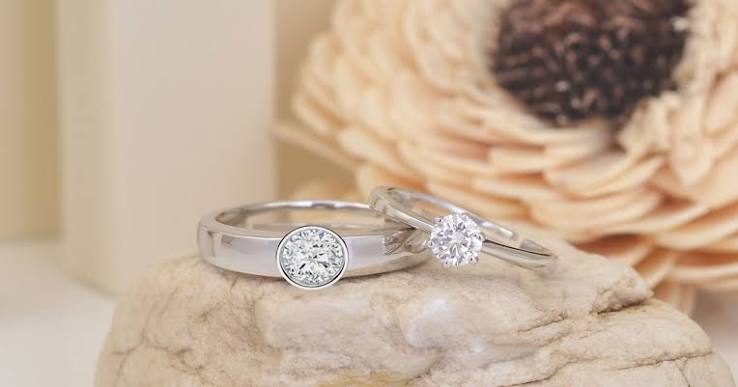
Modern couples are approaching engagement and wedding jewelry with changing expectations. While traditional diamond rings remain popular, more people are exploring alternatives that offer flexibility, affordability, and contemporary design options. Among these choices, lab-grown diamonds have gained considerable attention in the jewelry industry.
One reason behind this growing interest is the combination of genuine diamond quality and more accessible pricing. A Lab Diamond Ring provides couples with an opportunity to enjoy the brilliance and durability of a real diamond while exploring different styles, sizes, and settings that match their personal preferences.
As awareness of diamond-growing technology increases, laboratory-created diamonds are becoming an important part of conversations about modern engagement jewelry.
1. More Affordable Options for Engagement Jewelry
Budget is one of the most important considerations when couples plan an engagement or wedding. Traditional diamond rings can involve significant expenses, particularly when buyers select larger stones or higher clarity and color grades.
Lab-grown diamonds generally cost less than comparable natural diamonds. This price difference allows couples to explore a wider range of designs without necessarily increasing their jewelry budget.
For example, someone with a fixed budget may have more flexibility to choose a larger center stone, a more detailed setting, or a higher diamond quality grade.
This affordability is particularly attractive to younger couples who want meaningful jewelry while managing other financial priorities, such as housing, travel, and wedding expenses.
2. Genuine Diamond Quality and Appearance
Another reason for the popularity of lab-grown diamonds is that they are real diamonds rather than imitation gemstones.
They have essentially the same chemical composition, crystal structure, hardness, and optical properties as natural diamonds. Both types can deliver excellent brilliance, fire, and sparkle when properly cut.
This similarity makes laboratory-grown diamonds appealing to couples who want the traditional appearance of diamond jewelry without paying the higher prices often associated with mined stones.
The main difference is their origin. Natural diamonds form through geological processes deep within the Earth, whereas lab-grown diamonds are produced using advanced technology in controlled environments.
3. Greater Flexibility in Ring Design
Modern couples often prefer jewelry that reflects their individual personalities rather than following traditional design conventions.
Lab-grown diamonds are available in numerous shapes, sizes, and quality grades, giving buyers considerable flexibility when planning a ring.
Some popular design choices include:
- Solitaire rings: Feature a single central diamond for a timeless and understated appearance.
- Halo rings: Surround the center stone with smaller diamonds for additional sparkle.
- Three-stone rings: Combine three stones in a design with symbolic meaning.
- Oval-cut rings: Offer an elongated appearance that can create an elegant look.
- Emerald-cut rings: Feature step-cut facets and a clean, sophisticated design.
- Pavé settings: Incorporate small diamonds along the band for additional brilliance.
This variety allows couples to select jewelry that suits their lifestyle, fashion preferences, and personal taste.
4. Growing Interest in Sustainable Jewelry Choices
Environmental awareness has become an important consideration for many modern consumers. As a result, some couples are examining how their jewelry is produced and where its materials originate.
Lab-grown diamonds offer an alternative to traditional diamond mining because they are manufactured in controlled laboratory environments rather than extracted from the ground.
However, laboratory production still requires energy and resources. Its environmental impact depends on factors such as electricity sources, production efficiency, manufacturing practices, and transportation.
Natural diamond mining also has environmental implications, including land disturbance and resource consumption.
For couples interested in sustainability, it is important to investigate transparent production information rather than assuming that every lab-grown diamond automatically has a lower environmental footprint.
5. Better Opportunities to Personalize Engagement Rings
Personalization has become an important trend in modern jewelry. Many couples want engagement rings that represent their relationship, shared experiences, or individual preferences.
Lab-grown diamonds provide flexibility in choosing the center stone’s characteristics and coordinating them with a customized setting.
Some popular personalization ideas include:
Choosing a Unique Diamond Shape
Rather than selecting a traditional round diamond, couples may explore pear, marquise, oval, radiant, or cushion shapes.
Each cut creates a different visual effect and can help make the ring more distinctive.
Selecting a Meaningful Metal
The choice of metal can significantly influence the ring’s appearance. White gold offers a contemporary finish, yellow gold provides a classic look, and rose gold creates a softer appearance.
Platinum is another popular option because of its durability and naturally white color.
Adding Personal Details
Engraved messages, special dates, initials, and decorative elements can give a ring additional sentimental value.
These details allow couples to create jewelry that feels personal rather than simply following current fashion trends.
6. Suitable for Different Lifestyles
Modern couples have different professional, social, and recreational routines. Some prefer understated jewelry for everyday use, while others enjoy detailed designs that make a stronger visual statement.
Lab-grown diamonds can accommodate both preferences.
A simple solitaire ring with a secure setting may suit someone who frequently works with their hands. Meanwhile, a halo or pavé design may appeal to buyers who prefer additional sparkle for formal occasions.
When selecting an engagement ring, couples should consider more than appearance. The setting’s durability, comfort, maintenance requirements, and suitability for daily activities are equally important.
7. Greater Awareness of Diamond-Growing Technology
Technological developments have played an important role in increasing consumer awareness of laboratory-grown diamonds.
Two major production methods are used in the industry:
High Pressure High Temperature (HPHT): This method recreates the high-pressure and high-temperature conditions needed for diamond formation. Carbon crystallizes around a small diamond seed to produce a larger crystal.
Chemical Vapor Deposition (CVD): This process uses carbon-containing gases inside a controlled chamber. Carbon atoms gradually deposit onto a diamond seed, allowing the crystal to grow layer by layer.
These technologies have made it possible to produce gem-quality diamonds for different jewelry applications.
As more consumers learn how these processes work, misconceptions about laboratory-grown diamonds are gradually becoming less common.
8. A Wider Range of Choices for Different Budgets
Every couple has different financial priorities when purchasing an engagement ring. Some prefer to invest in a larger center stone, while others prioritize metal quality, craftsmanship, or a distinctive design.
Because lab-grown diamonds are generally more affordable than comparable natural stones, buyers can distribute their budgets differently.
For instance, couples may choose to:
- Select a larger diamond within the same spending limit.
- Prioritize cut quality for better visual performance.
- Choose a more detailed ring setting.
- Explore custom designs with additional decorative elements.
- Keep more of their budget available for other wedding expenses.
This flexibility makes lab-grown diamonds an appealing option for couples who want to balance jewelry preferences with broader financial plans.
9. Changing Attitudes Toward Traditional Diamond Jewelry
Consumer attitudes toward engagement rings have evolved over time. While traditional diamond jewelry continues to hold cultural and sentimental importance, modern buyers are increasingly willing to consider different materials, origins, and design approaches.
For many couples, the meaning of an engagement ring matters more than whether its center stone was naturally formed or created in a laboratory.
Some prioritize traditional rarity, while others focus on appearance, affordability, customization, or manufacturing transparency.
This shift reflects a broader preference for making personal purchasing decisions rather than following long-established expectations.
10. Easier Comparison of Diamond Specifications
Online jewelry platforms and educational resources have made it easier for buyers to compare diamond characteristics before making a purchase.
Consumers can review important grading factors, including the four Cs:
- Cut: Determines how effectively a diamond interacts with light.
- Color: Describes the presence or absence of noticeable color.
- Clarity: Measures the visibility of internal inclusions and external blemishes.
- Carat: Represents the diamond’s weight.
Understanding these characteristics helps couples evaluate individual diamonds instead of making decisions based solely on appearance or advertised size.
Buyers should also review independent grading documentation and confirm that the diamond is clearly identified as laboratory-grown.
11. Important Considerations Before Buying a Lab Diamond Ring
Although lab-grown diamonds offer several advantages, couples should evaluate their options carefully before purchasing.
Check the Diamond’s Quality
Compare cut, color, clarity, and carat weight. A balanced combination of these characteristics is often more useful than focusing on a single specification.
Review Certification
Look for appropriate documentation from recognized gemological organizations. Confirm that the report accurately identifies the diamond’s laboratory-grown origin.
Examine the Setting
Check the quality of the metal, prongs, band construction, and overall finishing. A secure setting helps protect the center stone during everyday wear.
Understand Warranty and Return Policies
Review available resizing, repair, return, and warranty services before completing the purchase.
Consider Long-Term Value
Lab-grown diamonds generally have lower resale values than natural diamonds, and their market prices can change as production technology develops. Couples should purchase them primarily for personal enjoyment and sentimental significance rather than assuming they will appreciate financially.
12. The Future of Lab-Grown Diamond Jewelry
The laboratory-grown diamond market continues to develop as manufacturing technology, consumer awareness, and jewelry design trends evolve.
Advancements in production methods may improve manufacturing efficiency and provide greater control over diamond characteristics. At the same time, jewelry designers are exploring new ways to incorporate lab-grown stones into engagement rings, wedding bands, earrings, and other accessories.
Consumer preferences will also influence future demand. As buyers become more informed about diamond origins, pricing, and quality, the jewelry market is likely to offer an increasingly diverse selection of products.
However, natural diamonds will continue to appeal to consumers who value geological rarity and traditional gemstone origins. Both categories have distinct places in the modern jewelry market.
Conclusion
Lab-grown diamond rings are becoming popular among modern couples because they combine genuine diamond properties with affordability, design flexibility, and access to contemporary manufacturing technology.
Their growing acceptance also reflects changing consumer attitudes toward engagement jewelry. Many couples now prioritize personal preferences, practical budgets, and transparent purchasing information when choosing a meaningful ring.
Whether selecting a minimalist solitaire or a customized statement design, buyers should carefully evaluate diamond quality, certification, craftsmanship, and long-term expectations.
Ultimately, the best engagement ring is one that reflects the couple’s values, suits their lifestyle, and carries personal meaning beyond its material characteristics.





Post Comment