Wudu Wash Basin Solutions for Educational and Religious Institutions
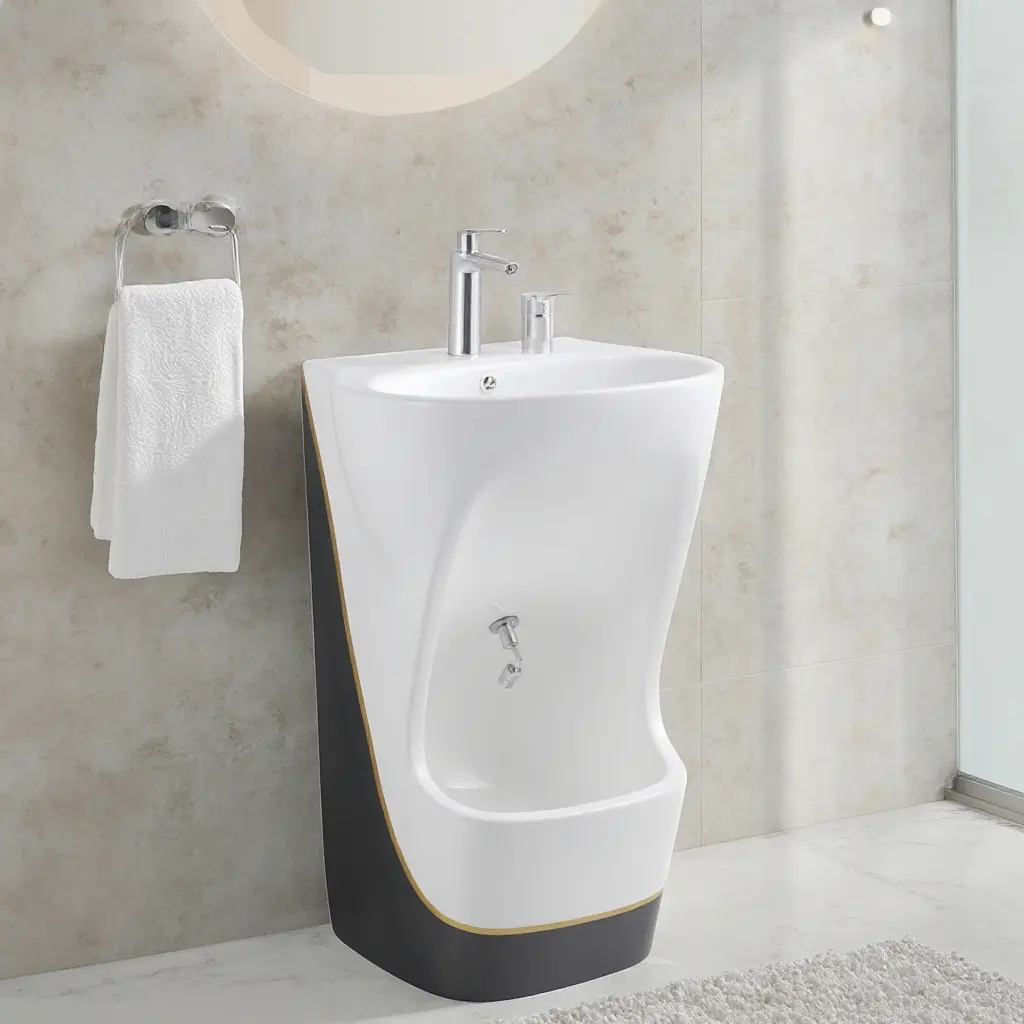
Educational and religious institutions play an important role in supporting students, teachers, staff members, and wider communities. Schools with Islamic programs, universities, seminaries, madrasas, and community learning centers may all require dedicated ablution facilities. These environments have distinct operational needs because their users vary in age, mobility, and daily schedules. A suitable washing arrangement should therefore combine durability, accessibility, hygiene, and convenient capacity.
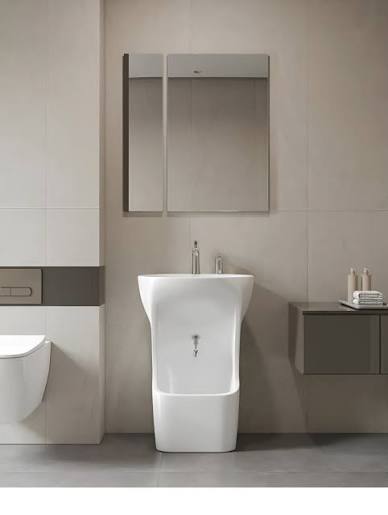
Selecting an appropriate Wudu wash basin is an important part of developing these facilities. Institutional buyers should consider the number of students and visitors, the frequency of use, the available space, and the resources allocated to maintenance. A well-planned installation can support everyday religious practices while fitting naturally into the wider educational environment.
Understanding Institutional Requirements
The first step is identifying the type of institution and its expected users.
A primary school may need child-friendly washing arrangements, while a university may require several stations to serve a large and diverse student population.
A religious seminary may have more consistent daily usage patterns, particularly where students and teachers regularly participate in congregational prayers.
Institutional planners should assess:
- The number of students and employees.
- The age groups using the facility.
- Daily prayer schedules.
- Expected visitor numbers.
- Available room dimensions.
- Existing water and drainage infrastructure.
- Accessibility and supervision requirements.
This information helps establish a realistic facility design.
Designing for Students and Younger Users
Educational environments require special attention to usability.
Children may find adult-sized washing stations difficult to access comfortably. Schools should therefore consider appropriately designed fixtures, suitable support arrangements, and safe surrounding surfaces.
The washing area should be easy to supervise without compromising user privacy.
Clear instructions and simple signage can also help younger students understand how to use the facilities responsibly.
Durable finishes are important because school environments may experience frequent use and accidental impacts. Cleaning arrangements should be straightforward for maintenance personnel.
Solutions for Universities and Large Campuses
Universities often serve students from different backgrounds and may have several prayer rooms distributed across a campus.
The design of each ablution area should reflect its expected occupancy and available infrastructure.
Multiple Washing Stations
Larger campuses may require integrated washing systems that allow several students to perform Wudu simultaneously.
The number of positions should reflect peak demand, particularly around scheduled prayer periods.
Efficient Campus Placement
Ablution facilities should be conveniently located near designated prayer spaces without obstructing academic activities.
Their placement should also account for accessibility, ventilation, maintenance access, and existing plumbing services.
Choosing Durable Institutional Materials
Educational and religious buildings generally require products that can withstand regular use.
Ceramic basins offer familiar cleaning characteristics, while solid-surface materials provide flexibility for integrated designs. Stainless steel may be suitable for certain institutional environments where a functional appearance and practical maintenance are priorities.
When evaluating products, consider surface durability, resistance to moisture, repair requirements, and availability of replacement components.
Material samples and manufacturer documentation can help procurement teams make informed comparisons.
Hygiene and Water Management
Hygiene is particularly important in buildings where many people share the same washing facilities.
Select surfaces that can be cleaned effectively and establish procedures for routine sanitation.
Faucets should be easy to operate and should provide appropriate water flow. Water-efficient fittings can help manage consumption, although they should remain practical for completing Wudu.
Floor drainage must be capable of handling expected usage. Non-slip flooring and effective waterproofing are also essential considerations.
Accessibility for the Entire Institution
Institutional ablution facilities should serve people with different physical abilities.
Provide accessible routes, suitable seated washing positions, and enough space for users who require mobility assistance.
Where several facilities are available, accessibility should be considered across the overall building rather than concentrated in one inconvenient location.
Design decisions should comply with relevant local regulations and institutional policies.
Budgeting and Procurement Considerations
Schools and religious organizations often operate within defined construction and maintenance budgets.
Procurement teams should compare products based on their total operational requirements rather than purchase price alone.
Important questions include:
- What installation work is required?
- Are replacement components readily available?
- What cleaning products are recommended?
- Does the supplier provide installation documentation?
- What warranty coverage is available?
- Can the product accommodate future expansion?
A detailed quotation helps institutions plan more accurately.
Supporting Better Learning and Worship Environments
A properly designed ablution facility contributes to a more complete institutional environment.
By combining suitable washing equipment with accessible layouts, durable materials, effective drainage, and practical maintenance arrangements, educational and religious institutions can provide reliable facilities for their communities.
The most successful installations are those that recognize the different needs of their users while maintaining a consistent standard of cleanliness, comfort, and functionality.




Post Comment