M Series Connectors in Automotive and Transportation Systems
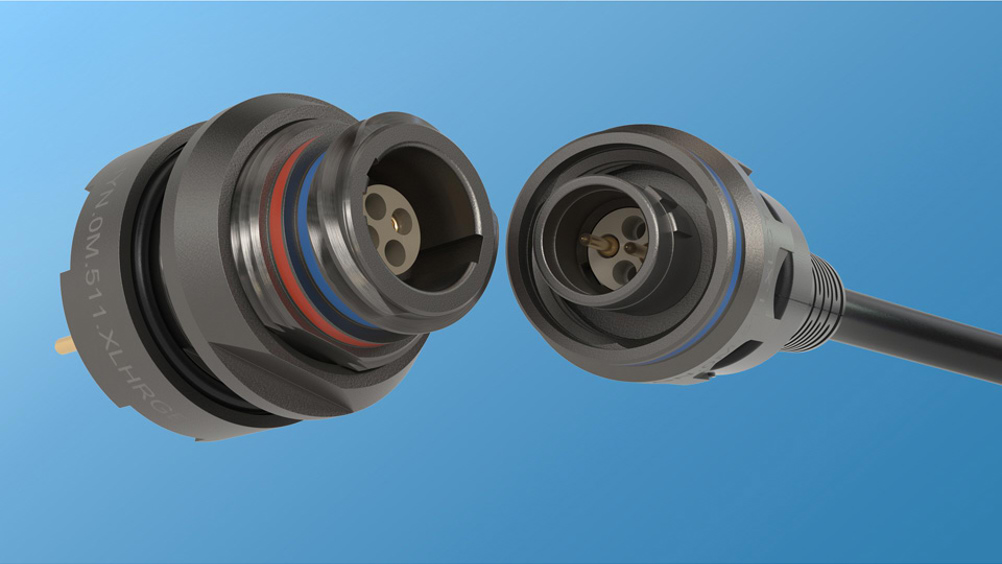
M series connectors are widely used in automotive and transportation industries where reliable electrical performance, vibration resistance, and long-term durability are essential. Modern vehicles and transport systems depend heavily on stable connectivity between sensors, control units, and power distribution systems. As vehicles become more advanced with increased electronics and automation, the demand for robust connector solutions continues to grow. These connectors are designed to ensure consistent signal and power transmission even under challenging operating conditions such as vibration, temperature variation, and continuous mechanical stress.
In transportation engineering, connection stability directly affects system safety and efficiency. This is why components like m series connectors are widely integrated into automotive wiring systems, where they help maintain secure electrical contact between critical modules such as engine control units, lighting systems, and onboard sensors. Their compact structure, locking mechanism, and resistance to environmental stress make them suitable for both traditional vehicles and modern electric and hybrid platforms. As automotive systems continue to evolve, these connectors play a key role in ensuring seamless electrical communication across complex vehicle architectures.
Table of Contents
ToggleRole of M Series Connectors in Automotive Systems
In automotive design, electrical systems are becoming increasingly complex due to the integration of advanced driver assistance systems (ADAS), infotainment units, and electric powertrains. M series connectors help manage this complexity by providing stable and organized connectivity between different electronic modules.
They are commonly used in wiring harnesses, control systems, and diagnostic interfaces. Their ability to maintain consistent electrical performance under vibration and temperature changes makes them ideal for use in moving vehicles where reliability is critical.
Applications in Transportation Infrastructure
Beyond passenger vehicles, M series connectors are also widely used in broader transportation systems. Railways, buses, trucks, and electric mobility platforms rely on durable connectors to ensure uninterrupted communication between control and power systems.
In railway systems, these connectors are used in signaling equipment, braking systems, and onboard communication networks. Their resistance to vibration and shock is particularly important in rail environments where constant movement and mechanical stress are present.
In commercial vehicles, they support engine management systems, lighting controls, and safety monitoring devices. Their rugged construction ensures long service life even in heavy-duty transport applications.
Key Design Features for Automotive Use
M series connectors are engineered with durability and performance in mind. One of their most important design features is the secure locking mechanism, which prevents accidental disconnection during vehicle operation. This is essential in environments with constant vibration and motion.
They are typically constructed using high-strength metal housings and insulating materials that provide both mechanical protection and electrical safety. Many variants also include sealing features that protect against dust, moisture, and automotive fluids such as oil and coolant.
Additional design benefits include:
- Compact structure suitable for limited installation spaces
- High resistance to vibration and mechanical stress
- Multi-pin configurations for complex electrical systems
- Enhanced shielding to reduce electromagnetic interference
These features make them suitable for modern automotive architectures where multiple electronic systems operate simultaneously.
Importance in Electric and Smart Vehicles
The rise of electric vehicles (EVs) and hybrid systems has significantly increased the demand for reliable electrical connectors. M series connectors play a vital role in battery management systems, charging interfaces, and power distribution units.
In electric mobility, stable signal transmission is essential for monitoring battery performance, temperature control, and energy efficiency. These connectors help ensure that critical data is transmitted accurately between different system components.
Smart vehicles equipped with autonomous driving features also rely heavily on connectors that can handle high data loads while maintaining signal integrity. M series connectors help support these requirements through their stable electrical performance and interference-resistant design.
Environmental and Performance Considerations
Automotive and transportation systems operate in a wide range of environmental conditions, from extreme heat in engine compartments to cold external environments. M series connectors are designed to withstand these variations without degradation in performance.
They also offer resistance to vibration caused by road conditions, engine operation, and mechanical movement. This durability reduces the risk of system failures and minimizes maintenance requirements over the vehicle’s lifespan.
Corrosion resistance is another important factor, especially in vehicles exposed to humidity, road salt, and chemical agents. Proper material selection ensures long-term reliability even in harsh operating environments.
Conclusion
M series connectors are essential components in modern automotive and transportation systems, offering durability, reliability, and stable electrical performance. Their ability to withstand vibration, temperature changes, and environmental stress makes them ideal for both traditional and electric vehicles. As transportation technology continues to advance, these connectors will remain a critical part of ensuring safe, efficient, and connected vehicle systems across the industry.




Post Comment