How Sewer Line Cleaning Machines Help Maintain Clear and Functional Drainage Networks
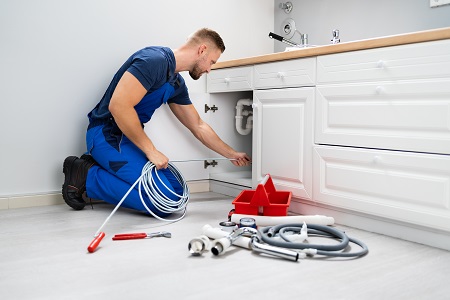
Sewer systems are essential for transporting wastewater away from residential properties, commercial buildings, and industrial facilities. However, these underground networks can gradually collect grease, sludge, sediment, tree roots, and other debris that restrict wastewater movement. When blockages develop, they can cause slow drainage, unpleasant odors, pipe backups, and costly maintenance problems. Regular cleaning is therefore important for keeping drainage networks functional and reducing the risk of unexpected disruptions.
Understanding Sewer Line Cleaning Machines
Sewer line cleaning machines are specialized pieces of equipment designed to remove obstructions and accumulated deposits from underground drainage pipes. Depending on their design, they may use mechanical cables, cutting attachments, or high-pressure water jetting technology.
Mechanical machines break apart certain blockages using rotating cables, while water jetting systems direct pressurized water through specialized nozzles to loosen and flush away debris.
A professional Sewer Line Cleaning Machine helps maintenance teams select an effective cleaning approach for different pipe sizes and drainage conditions. Choosing equipment that matches the blockage type and pipe material is essential for achieving reliable results without causing unnecessary damage.
Common Causes of Sewer Line Blockages
Understanding what causes sewer lines to become blocked helps property owners and maintenance professionals develop better cleaning strategies.
Grease and Fat Accumulation
Cooking oils, fats, and grease frequently enter drainage systems through kitchen wastewater. As these substances cool, they can stick to pipe walls and gradually form thick deposits. Restaurants and commercial kitchens are particularly vulnerable because of their high daily wastewater output.
Tree Root Intrusion
Tree roots naturally grow toward sources of moisture and may enter sewer lines through cracks, damaged joints, or loose connections. As roots develop inside the pipe, they can restrict wastewater movement and trap additional debris.
Sludge and Sediment
Soil, sand, silt, and organic waste can accumulate inside underground sewer networks. Over time, this material may reduce the available space for wastewater to pass through and contribute to recurring obstructions.
Foreign Objects and Solid Waste
Items that should not enter drainage systems can become lodged inside sewer pipes. Paper products, hygiene materials, and other solid waste may combine with existing deposits and create difficult blockages.
How Sewer Line Cleaning Machines Maintain Clear Drainage Networks
Professional cleaning equipment helps remove accumulated waste and supports the efficient operation of sewer infrastructure.
1. Removing Stubborn Deposits
Different types of debris require different cleaning approaches. Mechanical equipment can break apart certain solid obstructions, while high-pressure water jetting helps remove grease, sludge, and deposits attached to pipe walls.
Selecting the correct method allows technicians to address the blockage more effectively and reduce the material left behind after cleaning.
2. Restoring Wastewater Flow
When debris accumulates inside a sewer line, it reduces the space available for wastewater movement. This can result in slow drainage, backups, and unpleasant odors.
Removing the obstruction helps restore the pipe’s internal capacity and supports more consistent wastewater flow throughout the drainage network.
3. Reducing Recurring Blockages
A blockage may return when cleaning only creates a small opening through accumulated waste. Residue remaining on the pipe walls can attract additional debris and gradually cause another obstruction.
More thorough cleaning helps remove this buildup and reduce the conditions responsible for repeated drainage problems. However, recurring issues may also indicate structural damage or root intrusion that requires permanent repairs.
4. Supporting Preventive Maintenance
Scheduled cleaning allows maintenance teams to address deposits before they develop into serious obstructions. This is especially valuable in commercial and municipal systems that handle substantial wastewater volumes.
A preventive maintenance plan can also help identify sections of the network that require more frequent inspections or specialized attention.
5. Reducing Maintenance Disruptions
Blocked sewer lines can interrupt normal activities in homes, businesses, and public facilities. Professional cleaning equipment can help technicians resolve many obstruction-related problems without immediately resorting to extensive excavation.
If the pipe is cracked, collapsed, or severely deteriorated, however, cleaning alone will not solve the underlying issue.
Different Types of Sewer Line Cleaning Equipment
Several types of machines are available for maintaining drainage networks. Each uses a different cleaning method and is suited to particular applications.
Mechanical Sewer Cleaning Machines
These machines use rotating cables and specialized cutting heads to break apart obstructions. They are useful for certain solid blockages, root growth, and debris that can be reached mechanically.
High-Pressure Water Jetting Machines
Water jetting systems use pressurized water to remove grease, sludge, sediment, and accumulated deposits from pipe interiors. Different nozzle configurations allow operators to select suitable cleaning patterns for the task.
Portable Sewer Cleaning Equipment
Compact machines are designed for service providers who regularly travel between residential and commercial properties. Their portability makes them convenient for smaller drainage maintenance jobs.
Heavy-Duty Municipal Equipment
Large sewer networks often require machines with greater cleaning capacity, longer hoses, and specialized accessories. These systems support demanding maintenance operations across extensive underground drainage infrastructure.
Applications Across Different Sectors
Sewer line cleaning equipment is used in various environments where reliable wastewater movement is essential.
- Residential properties: Cleaning household sewer connections and underground drainage pipes.
- Commercial buildings: Maintaining sewer lines in offices, hotels, shopping centers, and educational facilities.
- Restaurants: Removing grease and food-related deposits from kitchen wastewater systems.
- Industrial facilities: Cleaning suitable drainage lines affected by sludge, sediment, and process-related residue.
- Municipal infrastructure: Maintaining public sewer networks and underground wastewater systems.
- Public facilities: Supporting drainage maintenance in hospitals, transport centers, and other high-use locations.
The required equipment depends on the pipe dimensions, blockage severity, accessibility, and condition of the drainage network.
Factors to Consider When Choosing Sewer Cleaning Equipment
Selecting appropriate machinery is important for achieving effective cleaning results and maintaining safe operating conditions.
Cleaning Capacity
Consider the pipe diameters, network size, and types of blockages the equipment will handle. Larger drainage systems may require machines with greater capacity than those used for household plumbing.
Pressure and Water Flow
For water jetting equipment, pressure helps loosen accumulated deposits, while flow rate supports the removal of dislodged material. Both specifications should match the intended cleaning application.
Hose and Nozzle Compatibility
The hose must provide sufficient reach and withstand the machine’s operating pressure. Suitable nozzle options also help operators address different types of buildup.
Portability and Durability
Equipment should be practical to transport, position, and store. Strong construction and reliable components are particularly important for machines used frequently in demanding environments.
Maintenance and Technical Support
Buyers should consider servicing requirements, replacement-part availability, warranty coverage, and access to technical assistance. These factors can influence the machine’s long-term value.
Best Practices for Sewer Line Maintenance
Using professional cleaning equipment is only one part of maintaining a reliable sewer network. Consistent inspections and responsible waste disposal also play an important role.
- Avoid disposing of cooking grease, oils, and solid waste through household or commercial drains.
- Arrange periodic inspections for sewer lines with heavy wastewater usage.
- Monitor slow drainage, unusual odors, and recurring backups.
- Investigate tree root intrusion and damaged pipe joints promptly.
- Schedule cleaning according to the system’s condition and maintenance history.
- Keep records of inspections, blockages, and previous cleaning activities.
Drainage systems should be assessed before high-pressure cleaning, particularly when older pipes or structural damage are suspected.
Safety Considerations During Sewer Cleaning
Sewer maintenance involves potential exposure to contaminated wastewater, confined spaces, and specialized equipment. Proper safety procedures are essential.
Operators should receive appropriate training and use suitable protective clothing, gloves, eye protection, and footwear. Hoses, fittings, and mechanical components should be inspected before operation.
High-pressure water should never be directed toward people, animals, or electrical equipment. Any work involving confined spaces must follow applicable safety procedures and should only be performed by properly trained personnel.
Conclusion
Sewer line cleaning machines play an important role in maintaining clear and functional drainage networks. By removing grease, sludge, sediment, and other obstructions, they help restore wastewater flow, reduce recurring blockages, and support preventive maintenance.
Selecting suitable equipment depends on pipe dimensions, blockage types, cleaning requirements, and operating conditions. When combined with regular inspections, responsible waste disposal, and trained operators, professional sewer cleaning can help protect drainage infrastructure and maintain reliable wastewater management.




Post Comment