Understanding Nobori Flags and Their Role in Traditional and Modern Advertising
Flags have been used for centuries to communicate identity, mark important locations, and attract public attention. In Japan, one distinctive example is the traditional vertical banner known as the nobori. Recognized for its tall, narrow shape and bold visual presentation, this style of flag has become a familiar sight at festivals, markets, sporting events, and commercial establishments. Its practical design allows messages to remain visible in busy environments without requiring extensive display space.
Today, Nobori Flags continue to connect traditional visual culture with contemporary promotional needs. Businesses and event organizers use them to display logos, announce special offers, identify locations, and create recognizable outdoor displays. Understanding their history, design, and modern applications helps explain why this advertising format remains relevant.
What Are Nobori Flags?
Nobori flags are traditional Japanese vertical banners characterized by their elongated rectangular shape. Unlike many conventional flags that hang freely from a horizontal pole, nobori banners are commonly supported along one vertical edge and held open with a horizontal crossbar near the top or another suitable mounting arrangement.
This structure helps maintain the banner’s shape and keeps its printed message visible. Their tall profile also makes them useful in locations where horizontal advertising space is limited.
Traditional nobori designs often feature Japanese writing, symbols, illustrations, or bold color combinations. Modern versions may incorporate company logos, product images, promotional messages, and other commercial graphics.
The Traditional History and Cultural Significance of Nobori
Nobori banners have a long history in Japan and were historically associated with identifying groups, displaying affiliations, and communicating important information.
Use in Historical Japan
In earlier periods, nobori were used to distinguish military units and represent particular leaders or groups. Their vertical construction made them recognizable in crowded outdoor settings, where clear identification was important.
Over time, their use expanded beyond military contexts. They became associated with festivals, religious gatherings, local celebrations, and community activities.
Role in Festivals and Public Celebrations
Traditional Japanese festivals often feature colorful banners that help establish the atmosphere of an event. Nobori can identify participating organizations, announce activities, or display symbols connected with local customs.
They may also be used at temples, shrines, and seasonal celebrations, where their designs reflect the character and purpose of the occasion.
Connection to Local Identity
In many communities, banners serve as recognizable visual markers. Their colors, symbols, and messages can represent local businesses, cultural groups, or special events.
This connection between visual identity and public communication has helped preserve the traditional banner format while allowing it to evolve.
How Nobori Flags Are Used in Modern Advertising
Although their origins are traditional, nobori banners have practical qualities that suit contemporary marketing. Their vertical shape, visible placement, and relatively simple installation make them useful for many commercial environments.
Retail Stores and Shopfronts
Retailers often place vertical banners outside entrances to highlight discounts, seasonal products, new arrivals, or limited-time promotions.
A series of coordinated banners can create a consistent visual presentation along a storefront or shopping area. Their narrow design also makes them suitable for locations where wider signs might obstruct pedestrian movement.
Restaurants and Food Businesses
Restaurants, cafés, and food stalls can use nobori-style banners to promote menu items, daily specials, and seasonal offerings.
For example, a restaurant might display a banner featuring a popular dish near its entrance. A simple image combined with a short message can help communicate the offer to people passing by.
Trade Shows and Exhibitions
Exhibitors need practical ways to distinguish their booths in busy venues. Vertical banners can display company names, product categories, or promotional messages without occupying substantial floor space.
Using consistent designs across several banners can also help create a recognizable exhibition display.
Sporting Events and Community Gatherings
Nobori-style banners can identify teams, sponsors, activity areas, and event partners. Their vertical format makes them useful along walkways, near entrances, and around designated gathering spaces.
Organizers can also use different colors or designs to distinguish individual sections of a venue.
Key Design Features That Make Nobori Banners Effective
A well-designed banner should communicate its message quickly and remain visually clear in its intended environment. Several design elements influence how effectively it performs.
Tall, Narrow Layout
The vertical format helps banners stand out among storefronts, event structures, and other promotional materials. It also allows businesses to make use of narrow spaces that may not accommodate traditional horizontal signs.
Bold Colors and Clear Typography
Strong color contrast helps messages remain noticeable from a distance. Large lettering and simple typography make promotional information easier to understand, particularly in areas with steady pedestrian traffic.
Flexible Graphic Options
Modern printing techniques allow businesses to incorporate logos, photographs, illustrations, and brand-specific graphics. This flexibility makes it possible to create banners for different campaigns while maintaining a consistent visual identity.
Lightweight Construction
Many modern banners use lightweight fabric and portable supporting components. This can make transportation, installation, and storage more convenient for organizations that participate in recurring events.
Choosing the Right Nobori Flag for Your Business
Selecting suitable banners involves more than choosing an attractive design. Businesses should consider the installation location, intended message, display duration, and expected environmental conditions.
Identify Your Advertising Objective
Start by deciding what the banner needs to communicate. A display promoting a product may require a product image and short description, while a location marker may need only a business name or recognizable symbol.
A clear objective makes it easier to select the right layout and avoid unnecessary visual elements.
Select Suitable Materials
The fabric should match the expected usage conditions. Indoor displays may prioritize appearance and ease of handling, while outdoor banners may require materials and finishing methods designed for exposure to sunlight and changing weather.
Check details such as fabric strength, stitching quality, print durability, and cleaning recommendations before making a purchase.
Consider Size and Placement
The banner should be large enough to remain readable from the expected viewing distance. At the same time, it should fit the available installation space without interfering with entrances, walkways, or nearby signs.
Businesses should also consider the height of surrounding structures and potential visual obstructions.
Choose Compatible Supporting Hardware
A suitable pole and mounting system help maintain the banner’s intended shape. Businesses should check that the supporting equipment matches the banner dimensions and is appropriate for the installation surface.
For outdoor displays, base stability and local wind conditions deserve particular attention.
Nobori Flags Compared With Other Advertising Displays
Different promotional products serve different purposes, and the best choice depends on the environment and marketing message.
- Nobori banners: Tall, narrow displays suited to storefronts, festivals, and locations where vertical visibility is useful.
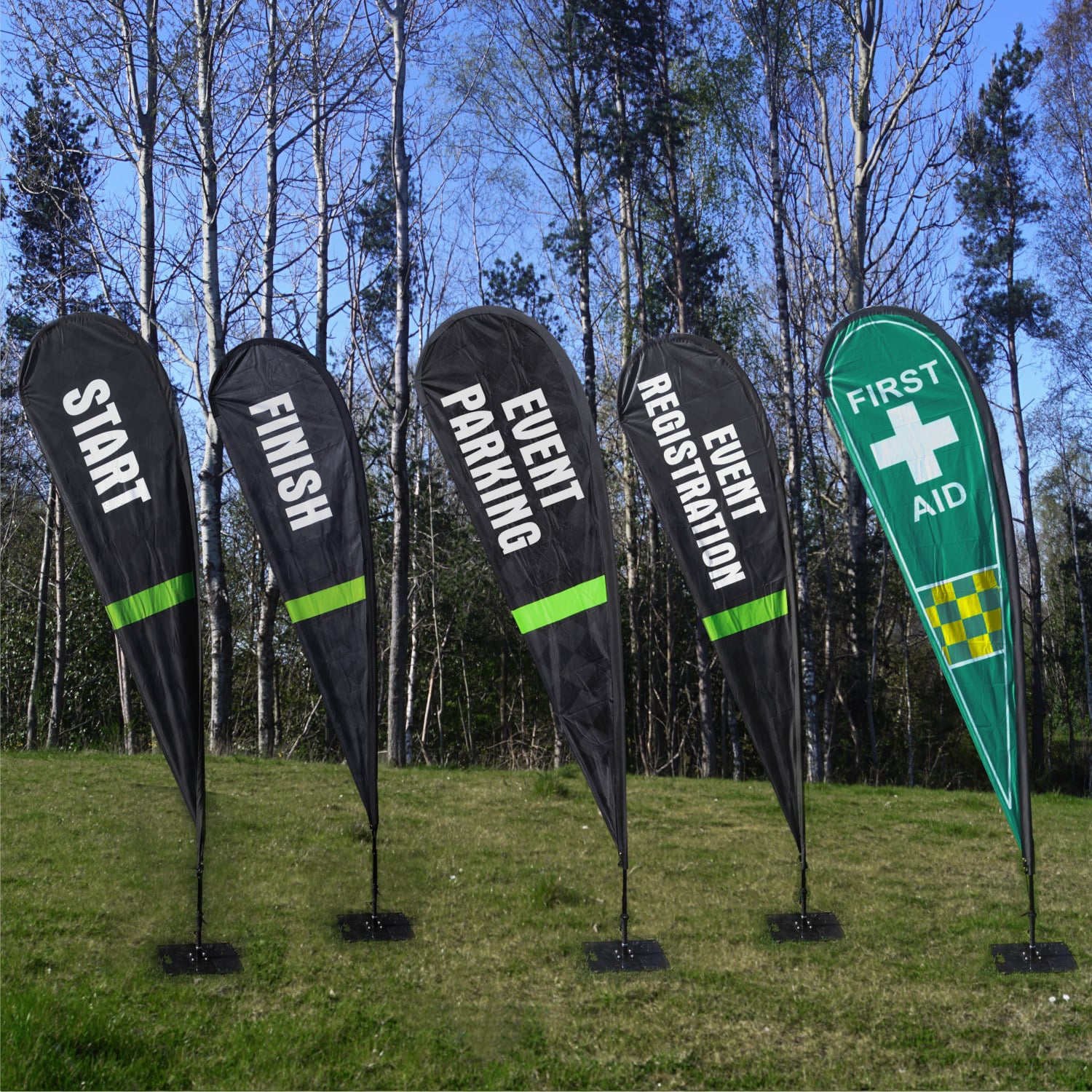
- Feather flags: Curved or tapered promotional displays commonly used outside businesses and at outdoor events.
- Rectangular banners: Wider formats that provide more space for detailed information and larger graphics.
- Traditional hanging signs: Often used for fixed locations where a permanent or semi-permanent sign is required.
Nobori banners are especially useful when businesses want a recognizable vertical display that combines cultural character with practical advertising.
Tips for Maintaining Nobori Flags
Regular care helps preserve the appearance and usability of promotional banners, especially when they are reused for multiple events.
- Clean fabric according to the manufacturer’s care instructions.
- Allow banners to dry completely before storage.
- Avoid folding or packing them while damp.
- Inspect seams and attachment points for wear.
- Check poles, crossbars, and fittings before installation.
- Store components in a protective case when possible.
- Remove outdoor displays when weather conditions exceed the equipment’s recommended limits.
Proper maintenance can help prevent premature damage and reduce the need for frequent replacements.
Bringing Traditional Design Into Contemporary Marketing
One reason nobori banners remain appealing is their ability to combine a recognizable traditional format with modern branding. Businesses can use contemporary colors, product photography, and custom graphics while retaining the distinctive vertical layout.
This approach can be particularly effective for Japanese restaurants, cultural festivals, specialty retailers, and businesses that want a display with a different visual character from conventional advertising signs.
However, successful use depends on thoughtful design. The message should remain clear, the graphics should suit the audience, and the supporting equipment should be appropriate for the installation environment.
Conclusion
Nobori flags represent an enduring form of visual communication that has developed from traditional Japanese banners into a practical modern advertising option. Their tall shape, adaptable graphics, and convenient display arrangements make them suitable for retail promotions, restaurants, exhibitions, festivals, and community events.
By understanding their cultural background and considering factors such as material quality, design, size, and installation requirements, businesses can use nobori banners to create distinctive promotional displays. Their combination of traditional character and contemporary functionality continues to make them a useful choice for public-facing advertising.



Post Comment