Galvanized Strut Channel: Benefits, Features, and Applications in Construction
Strut channels are widely used in construction and industrial installations because they provide a flexible way to support pipes, cables, ducts, electrical equipment, and mechanical components. Their standardized profiles and connection accessories make it possible to build organized support systems without extensive welding or complicated fabrication. When these components are exposed to moisture or outdoor conditions, corrosion protection becomes an important consideration.
A Galvanized Strut Channel offers a practical solution by combining the versatility of a strut support system with a protective zinc coating. This coating helps reduce corrosion and can extend the service life of the steel under suitable operating conditions. Understanding its features, benefits, and applications helps contractors and engineers choose the right channel for different installation requirements.
What Is a Galvanized Strut Channel?
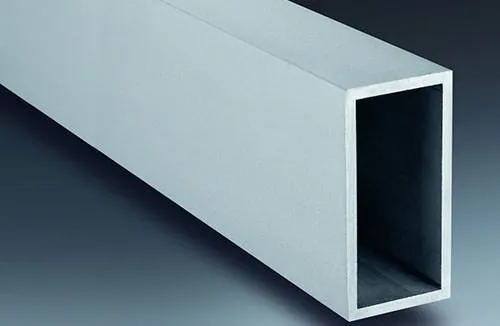
A galvanized strut channel is a metal framing component, usually manufactured from steel, with a zinc coating applied to protect its surface against corrosion. It commonly features a U-shaped profile with inward-facing lips along the opening. These lips are designed to accommodate compatible nuts, brackets, and fastening accessories.
The channel forms part of a modular support system. Installers can connect it to threaded rods, clamps, brackets, base plates, and other fittings to create structures for mounting equipment and supporting building services.
Strut channels are available in different widths, depths, thicknesses, and lengths. Some have solid surfaces, while others include regularly spaced holes or slots for fastening and adjustment.
How Galvanizing Protects Strut Channels
Galvanizing involves applying a zinc coating to steel to help protect it from corrosion. The zinc layer acts as a barrier between the steel and the surrounding environment. It can also provide sacrificial protection, meaning zinc corrodes preferentially when the coating is damaged in certain conditions.
There are different galvanizing processes used for steel products.
Hot-Dip Galvanizing
Hot-dip galvanizing involves immersing prepared steel in molten zinc. The process creates a metallurgically bonded coating that can provide durable corrosion protection.
It is commonly used for steel components intended for outdoor installations and environments where moisture exposure is expected.
Pre-Galvanizing
Pre-galvanized steel is coated with zinc before it is formed into the final channel shape. This process is commonly used for products manufactured from galvanized steel coils or sheets.
It can provide a consistent surface finish for many indoor and moderately exposed applications. However, cut edges and areas affected during fabrication may require additional consideration.
Electro-Galvanizing
Electro-galvanizing applies a zinc coating through an electrochemical process. It can produce a relatively smooth and uniform finish, although the coating thickness and corrosion performance may differ from hot-dip galvanizing.
The most suitable process depends on the installation environment, required coating performance, and applicable project specifications.
Key Features of Galvanized Strut Channels
Galvanized strut channels offer several characteristics that make them suitable for modular support systems.
1. Corrosion Resistance
The zinc coating helps protect the underlying steel from rust and environmental exposure. This is especially useful in areas where condensation, humidity, or occasional contact with water may occur.
The level of protection depends on the coating type, thickness, installation conditions, and maintenance practices.
2. Modular Design
Strut channels are designed to work with compatible accessories, including channel nuts, brackets, clamps, and connecting plates. These components allow installers to create adjustable support systems for different layouts.
3. Multiple Profile Options
Channels are available in different dimensions and configurations. Common options include shallow and deep profiles, solid channels, slotted channels, and back-to-back arrangements.
This variety makes it easier to match the support system to the available space and required loading conditions.
4. Ease of Installation
Many strut channel systems use mechanical fasteners instead of requiring extensive welding. Installers can cut channels to length, position the accessories, and secure the assembly using suitable bolts and channel nuts.
This can simplify installation and make later adjustments more convenient.
5. Compatibility With Building Services
Strut channels can support a wide range of mechanical and electrical installations. They are commonly used with pipe clamps, cable tray brackets, conduit fittings, and equipment mounting accessories.
Benefits of Using Galvanized Strut Channels
The combination of a modular profile and protective coating offers several practical advantages.
Longer Service Life
Galvanized steel can resist corrosion more effectively than untreated carbon steel in many environments. This can reduce the frequency of repairs and replacement when the coating is properly matched to the service conditions.
Reduced Maintenance Requirements
A suitable zinc coating helps limit rust formation and surface deterioration. As a result, galvanized channels may require less frequent corrosion-related maintenance than unprotected steel components.
Routine inspection is still important, particularly in aggressive industrial or coastal environments.
Flexible Support Arrangements
Strut channels can be assembled into horizontal, vertical, and suspended support systems. Their accessories make it possible to create configurations for different equipment sizes and installation layouts.
Adaptability to Future Changes
Mechanical fastening systems allow components to be repositioned or replaced more easily than many permanently welded assemblies. This can be useful in buildings where service routes or equipment arrangements may change over time.
Efficient Installation
Standardized channel profiles and compatible accessories help reduce the need for custom fabrication. This can save installation time and simplify coordination between electrical, plumbing, and mechanical trades.
Common Applications in Construction
Galvanized strut channels are used in a wide range of building and infrastructure projects.
Electrical Cable Support Systems
One of the most common applications is supporting cable trays, conduits, and electrical distribution components. Channels can be mounted to walls, ceilings, or suspended threaded rods to create organized cable routes.
Slotted channel designs may provide additional flexibility when positioning brackets and mounting accessories.
Plumbing and Pipe Supports
Galvanized strut channels can be used with pipe clamps and related fittings to support water lines, drainage pipes, and other building services.
The support arrangement must account for pipe weight, fluid loads, thermal movement, and the spacing required by the relevant installation standards.
HVAC Installations
Heating, ventilation, and air-conditioning systems often require support for ducts, equipment, and associated pipework. Strut channels can provide mounting frameworks for these components.
For heavier equipment, vibration, dynamic forces, and structural attachment points must be properly evaluated.
Industrial Equipment Mounting
Factories and production facilities use strut channels to create support frames for sensors, control panels, small equipment, and utility installations.
Their modular design can make it easier to modify support arrangements as production requirements change.
Ceiling and Wall Support Systems
Channels can be used to mount suspended components, service supports, and selected building accessories. They may also form part of framing arrangements where a compatible system has been specified.
How to Choose the Right Galvanized Strut Channel
Selecting a suitable channel requires reviewing the installation environment and mechanical requirements.
1. Channel Dimensions
Check the channel’s width, depth, thickness, and length. The dimensions must provide sufficient space for the intended accessories and meet the support system’s structural requirements.
2. Coating Type
Choose a galvanizing process that matches the expected exposure conditions. Indoor installations may have different corrosion protection requirements from outdoor, coastal, or industrial environments.
3. Load Capacity
Consider the combined weight of pipes, cables, ducts, equipment, and accessories. Also account for support spacing, span length, vibration, and potential dynamic forces.
Always refer to manufacturer load tables and the applicable engineering requirements. The capacity of the complete assembly depends on the channel, connections, supports, and building structure.
4. Channel Configuration
Determine whether a solid, slotted, shallow, deep, or back-to-back channel is most appropriate. The configuration should match the mounting arrangement and available space.
5. Compatible Accessories
Confirm that channel nuts, brackets, clamps, bolts, and other fittings are compatible with the selected channel profile. Using mismatched accessories can affect connection security and installation quality.
6. Applicable Standards
Review the required material specifications, coating standards, dimensional tolerances, and load-testing documentation. Projects with formal quality requirements may also need material certificates and inspection records.
Galvanized Strut Channel vs. Stainless Steel Strut Channel
Both galvanized and stainless steel channels are used in support systems, but they have different material characteristics.
Galvanized steel channels use a zinc coating to protect the underlying carbon steel. They can offer an economical solution for many indoor and outdoor installations when the coating is suitable for the environment.
Stainless steel channels rely on their alloy composition for corrosion resistance. They may be more appropriate for certain chemical, marine, food-processing, or highly corrosive environments.
The choice should consider initial cost, expected service life, maintenance requirements, and the specific chemicals or environmental conditions involved.
Installation and Maintenance Best Practices
Proper installation helps ensure that galvanized strut channels perform as intended.
- Use compatible channel nuts, brackets, and fasteners.
- Follow manufacturer instructions for support spacing and load limits.
- Secure channels to structural members capable of carrying the applied loads.
- Avoid damaging the zinc coating during cutting, drilling, and handling.
- Protect exposed cut edges where required by the coating specification.
- Inspect connections and channel surfaces periodically for corrosion or mechanical damage.
In outdoor and aggressive environments, inspections should be more frequent. Damaged coatings should be assessed and repaired using an appropriate method.
Conclusion
Galvanized strut channels provide a practical and adaptable solution for supporting electrical, plumbing, HVAC, and industrial equipment installations. Their modular design allows installers to create flexible support systems, while the zinc coating helps protect the steel against corrosion in suitable environments.
Choosing the right product involves evaluating channel dimensions, coating type, load requirements, accessories, and applicable standards. With proper specification, installation, and maintenance, galvanized strut channels can contribute to organized, durable, and reliable building service systems.



Post Comment