W10x22 Steel Beam: Specifications, Load Capacity, and Structural Uses
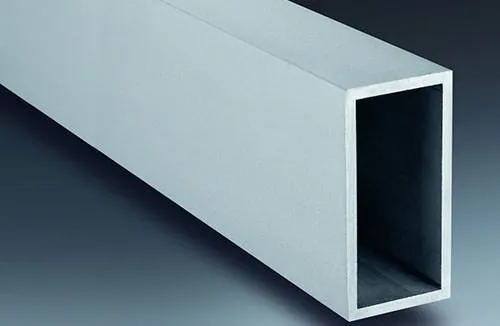
Structural steel beams are essential components in modern construction because they provide the strength and stability needed to support buildings, bridges, industrial facilities, and other infrastructure. Engineers select beam profiles based on factors such as loading conditions, building dimensions, span requirements, and structural design standards. Among the commonly used American wide-flange sections, the W10x22 beam offers a practical combination of structural strength, manageable weight, and versatile applications.
A W10x22 Steel Beam is a wide-flange structural section with a nominal depth of approximately 10 inches and a weight of 22 pounds per linear foot. Its H-shaped cross-section provides resistance to bending and shear forces, making it suitable for various structural applications. Understanding its dimensions, mechanical properties, and load capacity helps construction professionals determine whether this beam is appropriate for a particular project.
What Is a W10x22 Steel Beam?
A W10x22 steel beam belongs to the wide-flange family of structural steel sections commonly used in American construction. The designation provides two important pieces of information:
- W10: Identifies the wide-flange beam series with a nominal depth of approximately 10 inches.
- 22: Indicates a nominal weight of 22 pounds per linear foot.
Unlike some traditional I-beam profiles, wide-flange beams have relatively broad flanges that provide improved structural characteristics in common building applications.
The section is generally manufactured from structural steel and used in applications where dependable load distribution and bending resistance are required.
W10x22 Steel Beam Specifications and Dimensions
Understanding the physical dimensions of a W10x22 beam is important for structural calculations, fabrication, transportation, and installation.
Its main specifications include the following:
1. Nominal Depth
The beam belongs to the 10-inch nominal depth category. However, its actual depth is slightly different from 10 inches and should be confirmed using the applicable steel section tables.
2. Flange Width
The flange width determines the horizontal dimensions of the beam’s upper and lower sections.
Wide flanges help distribute applied loads and provide convenient surfaces for structural connections.
3. Web Thickness
The web is the vertical portion connecting the two flanges.
Its thickness contributes to the beam’s shear resistance and overall structural behavior.
4. Flange Thickness
The flange thickness affects the section’s bending strength and resistance to local deformation.
Both flange and web dimensions should be considered when evaluating the beam’s suitability for a particular application.
5. Weight Per Linear Foot
The W10x22 designation indicates a nominal weight of 22 pounds per linear foot.
This specification is useful when calculating material quantities, estimating transportation requirements, and determining approximate structural dead loads.
Typical W10x22 Steel Beam Properties
The following table provides commonly referenced approximate properties for a W10x22 wide-flange beam. Values should be checked against the current AISC Steel Construction Manual or the applicable manufacturer’s section data before engineering use.
| Property | Approximate Value |
|---|---|
| Nominal depth | 10 inches |
| Actual depth | 10.17 inches |
| Flange width | 5.75 inches |
| Web thickness | 0.240 inches |
| Flange thickness | 0.360 inches |
| Weight | 22 lb/ft |
| Cross-sectional area | 6.49 in² |
| Steel density | Approximately 490 lb/ft³ |
These dimensions are reference values. Actual product specifications and dimensional tolerances should be verified before fabrication or installation.
Mechanical Properties of W10x22 Steel Beams
The structural performance of a W10x22 beam depends on its material grade, cross-sectional geometry, support conditions, and applied loads.
High Bending Resistance
Wide-flange beams are designed to resist bending forces generated by loads acting perpendicular to their longitudinal axis.
Their flanges provide much of the bending resistance, while the web connects the flanges and transfers shear forces.
Shear Strength
The web plays a major role in resisting shear forces.
Its dimensions and material strength influence how effectively the beam transfers loads between supports and connected structural elements.
Structural Stability
The wide-flange design provides useful resistance to common structural loading conditions.
However, engineers must also evaluate lateral-torsional buckling, local buckling, and other stability considerations, particularly when beams have long unsupported lengths.
Weldability and Fabrication
Common structural steel grades used for wide-flange beams can generally be welded and fabricated using appropriate procedures.
The beam can be cut, drilled, connected, and incorporated into different structural assemblies according to engineering drawings.
Durability
Steel beams can provide long service life when properly protected from corrosion and maintained according to environmental conditions.
Protective paint systems, galvanizing where suitable, and regular inspections can help preserve structural performance.
Understanding the Load Capacity of a W10x22 Steel Beam
Load capacity is one of the most important considerations when selecting a structural beam. However, there is no single universal load rating for a W10x22 section.
Its actual capacity depends on several factors, including:
- Beam span and support arrangement.
- Applied dead and live loads.
- Steel grade and yield strength.
- Load distribution.
- Lateral bracing conditions.
- Deflection limitations.
- Connection design.
- Applicable structural design codes.
For example, a simply supported beam carrying a uniformly distributed load behaves differently from a beam carrying a concentrated load at its center.
Engineers must calculate bending moment, shear force, deflection, and stability requirements before determining the allowable design load.
Bending Moment Capacity
The beam’s bending resistance depends on its section modulus, steel yield strength, and applicable design provisions.
A larger section modulus generally indicates greater resistance to bending for the same material grade.
Deflection Performance
Even when a beam has sufficient strength, excessive deflection can affect the usability of a structure.
For this reason, engineers check deflection under service loads and compare the results with project-specific requirements.
Shear Capacity
The beam must also resist vertical shear forces generated by applied loads.
Shear capacity depends on the web dimensions, material properties, and applicable design specifications.
Common Structural Applications of W10x22 Steel Beams
W10x22 beams are used in different construction and industrial projects where their dimensions and structural properties meet the required design criteria.
1. Commercial Building Construction
Commercial buildings often use wide-flange beams to support floors, roofs, and other structural components.
W10x22 sections may be incorporated into secondary framing systems, floor supports, and smaller structural spans.
2. Residential Construction
Steel beams are frequently used in residential projects requiring open interior spaces or additional support for structural modifications.
A W10x22 beam may serve as a support member for openings, floor systems, and other building components when engineering calculations confirm its suitability.
3. Industrial Facilities
Manufacturing plants, workshops, and warehouses require structural members capable of supporting equipment, platforms, and building loads.
W10x22 beams can be used in equipment supports, secondary frames, and fabricated structural assemblies.
4. Mezzanine Floors
Mezzanine structures create additional usable floor space within existing buildings.
Wide-flange beams can support mezzanine floor systems, stairway connections, and related structural components.
The selected beam size depends on floor loading, span length, column spacing, and deflection requirements.
5. Building Renovation and Reinforcement
During renovation projects, steel beams may be installed to strengthen existing structures or support modified building layouts.
W10x22 sections can be considered for selected reinforcement applications, provided the existing structure and new connections are properly assessed.
Advantages of Using W10x22 Steel Beams
The W10x22 profile offers several practical advantages for suitable structural applications.
1. Efficient Structural Design: Its wide-flange geometry provides useful bending and shear resistance for different building applications.
2. Manageable Weight: At 22 pounds per linear foot, it offers a relatively lightweight option compared with many larger wide-flange sections.
3. Fabrication Flexibility: The beam can be cut, drilled, welded, and connected using established steel fabrication processes.
4. Versatile Applications: It can be incorporated into commercial buildings, residential structures, industrial frameworks, and renovation projects.
5. Standardized Dimensions: Its standardized designation simplifies communication between engineers, fabricators, contractors, and material suppliers.
6. Recyclability: Steel beams can be recovered and recycled, supporting sustainable construction and material management practices.
W10x22 Steel Beam Compared with Other W10 Sections
Wide-flange beams are available in different weights and dimensions. Comparing them helps engineers understand how section selection influences structural performance.
| Beam Designation | Nominal Depth | Weight per Foot |
|---|---|---|
| W10x12 | 10 inches | 12 lb/ft |
| W10x15 | 10 inches | 15 lb/ft |
| W10x19 | 10 inches | 19 lb/ft |
| W10x22 | 10 inches | 22 lb/ft |
| W10x26 | 10 inches | 26 lb/ft |
| W10x30 | 10 inches | 30 lb/ft |
Heavier sections generally contain more steel and may provide greater structural capacity, but the exact performance depends on their individual dimensions and section properties.
The most appropriate option is determined through engineering calculations rather than weight alone.
Factors to Consider When Selecting a W10x22 Steel Beam
Choosing the correct beam requires careful evaluation of the project and its structural requirements.
Important factors include:
- Span length: Longer spans generally require greater consideration of bending resistance and deflection.
- Load requirements: Dead loads, live loads, equipment loads, and other forces must be included.
- Steel grade: The selected material must meet the required mechanical properties and applicable standards.
- Support conditions: Simply supported, continuous, and cantilever arrangements produce different structural responses.
- Lateral bracing: Proper bracing helps prevent lateral-torsional buckling.
- Connection design: Bolted and welded connections must safely transfer the required forces.
- Environmental exposure: Corrosion protection should be selected according to site conditions.
- Building regulations: Structural design must comply with applicable codes and engineering standards.
Working with qualified structural engineers helps ensure that the selected beam meets safety and performance requirements.
Installation and Maintenance of W10x22 Steel Beams
Proper installation is essential for achieving the intended structural performance of a W10x22 beam.
Before installation, contractors should verify beam dimensions, material certifications, connection details, and alignment requirements.
During construction, important considerations include:
- Inspecting the beam for visible damage or deformation.
- Confirming that supporting columns and foundations are properly prepared.
- Using appropriate lifting equipment during positioning.
- Checking beam alignment and connection locations.
- Installing bolts or completing welds according to approved procedures.
- Verifying structural connections before applying additional loads.
After installation, periodic inspections should identify corrosion, connection deterioration, coating damage, or unexpected structural movement.
Protective coatings should be maintained where necessary to help extend the beam’s service life.
Conclusion
The W10x22 steel beam is a standardized wide-flange structural section that offers a practical combination of manageable weight, structural strength, and fabrication flexibility. Its nominal 10-inch depth and 22-pound-per-foot weight make it suitable for various applications in commercial construction, residential projects, industrial facilities, and mezzanine systems.
However, selecting the correct beam requires more than reviewing its dimensions and weight. Span length, loading conditions, steel grade, support arrangements, and stability requirements must all be considered during structural design.
With accurate engineering calculations, proper installation, and suitable maintenance, W10x22 beams can contribute to strong, reliable, and durable construction projects.




Post Comment