How to Choose a Reliable Case Erecting Machine for Your Packaging Line
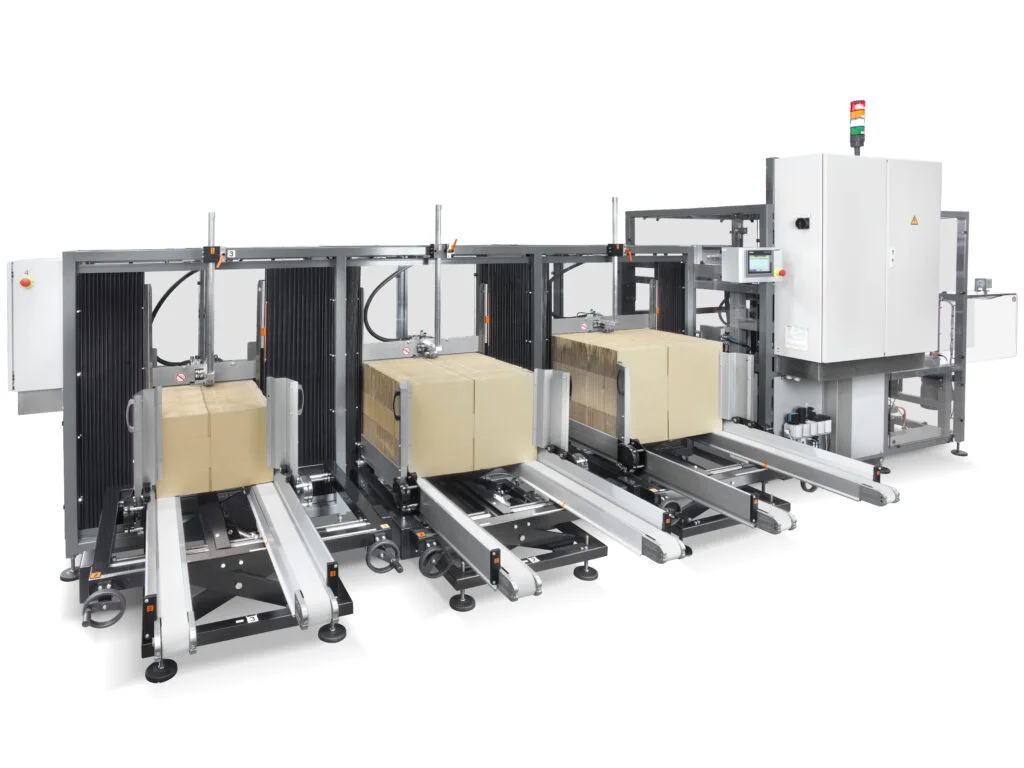
Selecting the right equipment is an important step in building an efficient packaging line. Carton preparation directly affects product loading, case sealing, and the movement of finished packages through a facility. If boxes are not formed correctly or supplied at the required rate, the entire packaging process can experience delays.
A reliable Case Erecting Machine automates the process of opening flat carton blanks, folding the bottom flaps, and preparing boxes for filling. Choosing suitable equipment requires more than comparing operating speeds. Manufacturers should evaluate carton specifications, production requirements, machine construction, maintenance needs, and compatibility with existing packaging systems.
1. Determine Your Packaging Line Requirements
Before comparing machines, assess how carton preparation fits into your current production process. Different facilities have different output targets, product types, and packaging workflows.
Start by identifying the number of cartons required per hour or shift. Consider both average production demand and peak operating periods. The machine should provide sufficient capacity without creating unnecessary delays or excessive accumulation of empty cartons.
Also review whether carton forming will operate independently or as part of a fully automated packaging line. This affects the type of machine, conveyor arrangement, and control system required.
2. Check Supported Carton Dimensions
Carton compatibility is one of the most important selection criteria. Case erectors are designed to handle specific ranges of carton lengths, widths, and heights.
Before purchasing equipment, confirm that the machine supports the box sizes used in your production facility. If you manufacture several product types, consider whether the system can handle multiple carton formats.
It is also important to check the corrugated board specifications. Different board thicknesses, blank designs, and material qualities can influence feeding and forming performance.
Choosing a machine that matches your carton requirements helps reduce misfeeds, incomplete opening, and other avoidable operating issues.
3. Evaluate Machine Speed and Production Capacity
Machine speed should match the actual needs of the packaging line. A system with a high rated output may not improve overall productivity if downstream equipment cannot process cartons at the same rate.
Compare the machine’s stated capacity with the operating speeds of filling stations, case packers, conveyors, and sealing equipment. Consider whether the machine can maintain consistent performance during normal production conditions.
Ask suppliers about the conditions used to determine rated output. Carton dimensions, material quality, operator involvement, and changeover frequency can all affect actual production performance.
4. Examine the Carton Feeding and Forming Mechanism
The feeding and forming systems play a major role in machine reliability. Flat carton blanks must be separated, picked up, opened, and positioned accurately before their bottom flaps are folded.
Look for a design that provides dependable blank separation and consistent carton opening. Vacuum suction systems, mechanical guides, and forming components should work together to handle the specified carton materials.
It is also useful to understand how the machine responds to common problems, such as double feeding, incorrectly positioned blanks, or incomplete carton formation. Suitable sensors and fault alerts can help operators identify issues quickly.
5. Consider the Bottom-Sealing Method
After a carton is opened, its bottom flaps need to be secured before the box moves to product filling. Depending on the machine design, this may be completed using adhesive tape or hot-melt glue.
The appropriate method depends on carton construction, product weight, packaging requirements, and the sealing equipment used elsewhere in the facility.
When evaluating a machine, consider:
- Whether the sealing method suits your carton material.
- How consistently the bottom flaps are secured.
- Whether adhesive or tape supplies are easy to replenish.
- How much maintenance the sealing components require.
- Whether the process is compatible with downstream equipment.
Reliable bottom sealing helps prevent cartons from opening during filling and subsequent handling.
6. Review Machine Construction and Component Quality
A packaging machine used in industrial production should be built to withstand regular operation. Frame construction, mechanical components, electrical systems, and moving parts all contribute to long-term performance.
Inspect the machine’s overall build quality and ask about the materials used for important components. Check whether the feeding system, folding mechanisms, belts, motors, and sensors are suitable for the expected operating conditions.
A well-designed machine should also provide convenient access to components that require routine inspection or servicing. Good accessibility can make maintenance tasks easier and reduce the time needed to resolve common issues.
7. Check Changeover Flexibility
Manufacturers that handle different product lines may need to change carton sizes regularly. A machine with practical adjustment features can make these transitions easier.
Find out whether carton changes require manual adjustments, replacement parts, or automated settings. Also ask how long a typical changeover takes and whether operators can complete it without extensive technical assistance.
Quick changeovers are particularly valuable for facilities with frequent production schedule changes. However, the machine must still support the specific carton formats required by the business.
8. Confirm Compatibility with Existing Packaging Equipment
A case erector rarely operates in isolation in a modern production facility. It may need to communicate with conveyors, robotic systems, case packers, filling equipment, and carton sealers.
Before selecting a machine, review the physical and technical requirements for integration. Important points include:
- Conveyor height and carton transfer position.
- Required operating speed and carton output.
- Electrical connections and control signals.
- Available floor space and machine layout.
- Safety guarding and operator access.
- Communication with other automated equipment.
Proper integration helps prevent transfer problems and allows the packaging line to operate as a coordinated system.
9. Evaluate Maintenance and Technical Support
Even reliable machinery requires regular servicing. Dust, corrugated board particles, worn belts, and misaligned components can affect feeding and carton formation over time.
Ask the supplier for a preventive maintenance schedule and details about the inspection of key components. You should also confirm the availability of replacement parts and technical assistance.
Before making a purchase, consider the following questions:
- Are routine maintenance tasks straightforward?
- Can operators identify common machine faults?
- Are spare parts readily available?
- Does the supplier provide installation and training?
- Is technical support available when equipment problems occur?
A supplier with dependable after-sales support can help reduce the impact of unexpected equipment issues.
10. Prioritize Operator Safety and Ease of Use
A reliable packaging machine should be practical and safe for employees to operate. Controls should be understandable, operating procedures should be clearly documented, and routine tasks should be accessible without exposing workers to unnecessary risks.
Review the machine’s guarding, emergency-stop controls, warning indicators, and safety interlocks. Ensure that operators can safely load carton blanks, monitor the forming process, and carry out approved maintenance activities.
Training is equally important. Employees should understand normal operating procedures, fault recovery, material handling, and safety requirements before using the equipment.
11. Compare Total Cost of Ownership
The initial purchase price is only one part of the investment. Manufacturers should also consider installation, training, energy consumption, maintenance, spare parts, and expected operating life.
A lower-priced machine may involve higher servicing costs or limited flexibility. Similarly, a more advanced model may not provide meaningful value if its features exceed the facility’s actual requirements.
Evaluate the total cost of ownership alongside expected production benefits. Consider how the machine may affect labor allocation, carton preparation time, packaging interruptions, and material waste.
This broader assessment provides a more realistic basis for comparing equipment options.
Common Mistakes to Avoid When Selecting a Case Erector
Some purchasing decisions focus too heavily on one specification while overlooking other factors that affect daily operation.
Avoid these common mistakes:
- Choosing a machine based only on its maximum rated speed.
- Ignoring the dimensions and material specifications of existing cartons.
- Failing to consider future changes in production requirements.
- Overlooking compatibility with downstream packaging equipment.
- Neglecting maintenance access and spare-parts availability.
- Comparing purchase prices without considering long-term operating costs.
- Underestimating the importance of operator training and safety.
A balanced evaluation helps businesses avoid equipment that looks suitable on paper but does not perform effectively in their actual production environment.
Conclusion
Choosing a reliable case erecting machine requires careful consideration of production capacity, carton compatibility, feeding mechanisms, sealing methods, machine construction, and integration requirements. Maintenance support, operator safety, and total ownership costs are equally important when evaluating long-term suitability.
By assessing these factors before purchasing, manufacturers can select equipment that fits their packaging workflow and supports consistent carton preparation. The right machine can help reduce manual work, minimize avoidable interruptions, and improve the overall reliability of an automated packaging line.



Post Comment