Practical Ways to Select Durable and Cost-Effective Disposable Cutlery
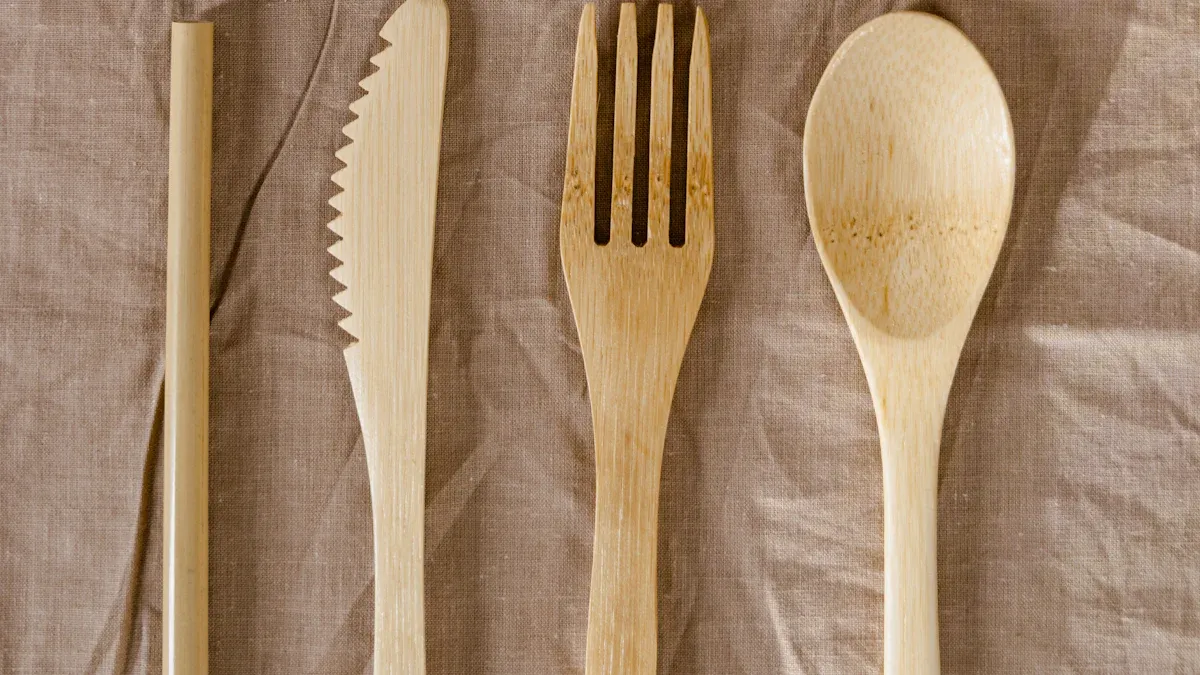
Choosing suitable utensils is an important part of managing a restaurant, café, takeaway outlet, or catering business. Food service operators need products that are comfortable for customers, strong enough for everyday use, and affordable within their purchasing budgets. Selecting the wrong utensils can lead to breakage, unnecessary expenses, and an unsatisfactory dining experience.
When comparing Disposable Cutlery options, businesses should look beyond the initial purchase price. Material quality, product design, food compatibility, packaging, and supplier reliability all influence long-term value. A practical selection process helps businesses maintain consistent supplies while meeting customer expectations.
1. Choose Materials According to Your Requirements
Disposable cutlery is available in several materials, each offering different characteristics. Understanding these differences helps businesses select products that suit their menus, budgets, and service environments.
Common options include:
- Plastic: Lightweight and available in different designs and strengths. However, businesses should consider local restrictions on single-use plastics and appropriate disposal options.
- Wood: Offers a natural appearance and is commonly used by cafés, takeaway outlets, and catering services.
- Bamboo: A plant-based option available in different utensil styles and sizes.
- PLA: A plant-derived bioplastic used in certain single-use food service products. Some PLA products require industrial composting facilities.
- Other molded fiber materials: Certain plant fibers and paper-based materials are used in specialized food service applications.
The most suitable material depends on how the utensils will be used. Businesses should compare durability, comfort, food compatibility, and disposal requirements rather than choosing based only on material descriptions.
2. Evaluate Strength and Durability Before Purchasing
Durability is one of the most important factors when selecting disposable utensils. Forks that bend easily, spoons that crack, or knives that fail during normal use can inconvenience customers and increase replacement costs.
Before placing a large order, examine the construction and overall quality of the product. Check the thickness, handle design, finish, and structural strength of each utensil.
Practical testing can help identify potential issues. For example, use sample forks with pasta or salad, spoons with soups or soft foods, and knives with the types of food they are designed to cut.
Pay attention to:
- Whether utensils maintain their shape during normal use.
- Whether handles feel comfortable to hold.
- Whether edges and surfaces are smooth.
- Whether products break or crack under ordinary pressure.
- Whether the design suits the intended food.
Testing samples with actual menu items is more useful than relying entirely on product descriptions or photographs.
3. Select the Right Size and Design
The size and shape of cutlery affect how comfortably customers can eat their meals. A small dessert spoon may be suitable for yogurt or pudding, but it may not be practical for a full meal.
Businesses should match utensil dimensions to their menu and portion sizes.
Forks: Standard-sized forks are suitable for many main courses, while smaller versions can be used for cakes, pastries, and snack portions.
Spoons: Deeper spoons are useful for soups and liquid foods, while smaller designs work well for desserts.
Knives: Select knives with suitable construction for cutting softer foods and spreading toppings.
Complete sets: Combination packs can be convenient for takeaway orders containing meals that require multiple utensils.
A consistent selection of sizes and designs can also simplify staff training, inventory management, and order preparation.
4. Compare Cost and Overall Product Value
The cheapest product is not always the most economical choice. Low-priced utensils may have inconsistent quality or insufficient strength, resulting in customer complaints and additional purchasing requirements.
Businesses should calculate the overall value of a product by considering its unit price, performance, packaging, and expected usage.
When comparing suppliers, review:
- Price per individual utensil.
- Quantity included in each pack or carton.
- Discounts available for larger orders.
- Delivery and transportation charges.
- Product specifications and quality consistency.
- Replacement arrangements for damaged goods.
For example, a slightly more expensive fork that performs reliably may offer better value than a cheaper alternative that frequently bends or breaks.
5. Consider Your Food Service Environment
Different businesses have different operational requirements. A takeaway restaurant may prioritize lightweight utensils that can be packed quickly, while a catering company may need larger quantities for events and group meals.
Consider where and how customers will use the products.
- Takeaway restaurants: Choose practical utensils that fit easily inside or alongside food packages.
- Food delivery kitchens: Consider individually wrapped options for organized order preparation.
- Cafés: Select comfortable utensils that suit snacks, desserts, and light meals.
- Catering services: Prioritize consistent quality and convenient bulk packaging.
- Food trucks: Look for compact products that are easy to store and distribute.
Matching cutlery to the service environment helps avoid purchasing products that are unsuitable for everyday operations.
6. Review Packaging and Storage Requirements
Packaging influences how easily cutlery can be stored, accessed, and distributed. Bulk packs may be appropriate for businesses with organized storage areas, while individually wrapped utensils can be useful for delivery orders and catering services.
Before purchasing, check the number of utensils per pack and whether the packaging protects products during transportation and storage.
Once received, cutlery should be kept in a clean, dry area away from dust, moisture, pests, and unnecessary handling. Proper storage helps maintain product condition and keeps supplies organized.
Businesses should also consider carton dimensions and available storage space when ordering large quantities.
7. Check Food Safety and Product Specifications
Since disposable utensils come into direct contact with food, buyers should confirm that products meet applicable food-contact safety requirements.
Reliable suppliers should be able to provide clear information about material composition, intended applications, and relevant product documentation.
Businesses should pay particular attention to utensils intended for hot foods. Not every material is suitable for high temperatures, so manufacturer guidance should be followed.
Checking product specifications before purchasing helps reduce uncertainty and ensures that the selected utensils are appropriate for the intended service conditions.
8. Assess Supplier Reliability
A dependable supplier helps businesses maintain consistent inventory and avoid interruptions during busy service periods. Product quality, delivery schedules, communication, and stock availability should all be considered.
Before committing to a large order, ask whether the supplier can provide samples, explain product specifications, and meet your expected delivery requirements.
It is also useful to understand how the supplier handles damaged products, incorrect quantities, and repeat orders. Establishing a consistent purchasing relationship can make inventory planning easier.
9. Consider Environmental Impact and Disposal
Cost and durability are important, but businesses should also consider the environmental implications of single-use utensils. Different materials have different sourcing, manufacturing, and disposal requirements.
When evaluating alternatives, check whether products have verified recycling, biodegradability, or compostability claims. These terms are not interchangeable, and some products require specialized processing facilities.
Businesses can also reduce unnecessary waste by:
- Offering utensils when customers request them.
- Providing only the utensils required for each meal.
- Avoiding automatic distribution of complete sets.
- Considering reusable cutlery for suitable dine-in operations.
- Purchasing quantities based on realistic demand.
These practices can help reduce waste without compromising customer convenience.
10. Purchase Samples Before Ordering in Bulk
One of the most practical ways to avoid unsuitable purchases is to test samples before placing a large order. Product photographs and specifications provide useful information, but they cannot always show how an utensil feels or performs during actual use.
A sample evaluation should cover strength, comfort, size, finish, and compatibility with different foods.
If possible, ask employees to test the products during normal service and collect feedback about their handling and performance. This gives businesses a clearer understanding of whether the product is suitable for regular use.
Once a suitable option has been identified, purchasing in bulk becomes a more informed decision.
Conclusion
Selecting durable and cost-effective disposable cutlery requires careful attention to material, strength, design, food compatibility, packaging, and supplier reliability. Businesses should evaluate the complete product rather than focusing only on its initial price.
By testing samples, comparing product specifications, and estimating actual usage, restaurants, cafés, takeaway outlets, and catering providers can make better purchasing decisions. Choosing suitable utensils helps control operating expenses, maintain consistent service quality, and provide customers with a more convenient eating experience.




Post Comment