Liver Cat Treats: Nutritional Advantages and Tips for Selecting Quality Products
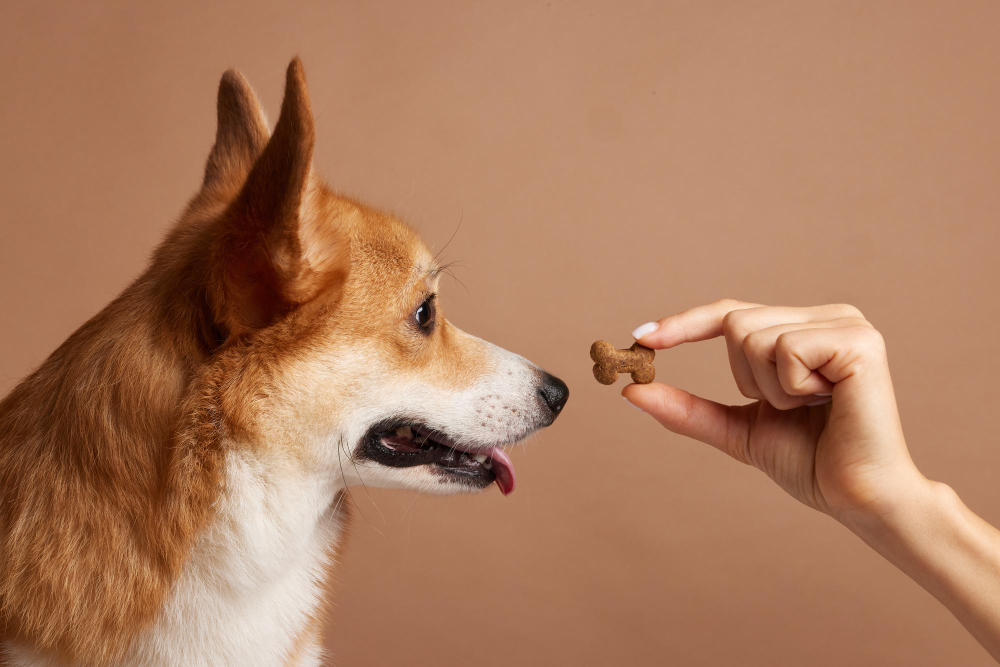
Liver is a nutrient-rich animal ingredient that has long been used in pet food and treat manufacturing. Its strong natural aroma and distinctive flavor make it appealing to many cats, while its nutritional composition includes protein, vitamins, and minerals that contribute to normal body functions. Available in fresh, cooked, dehydrated, and freeze-dried formats, liver treats offer pet owners several ways to introduce animal-based snacks into their cats’ routines.
Choosing high-quality Liver Cat Treats requires more than looking at the ingredient name on the package. The source of the liver, processing method, nutritional composition, food safety controls, and recommended serving size all influence product quality. Because liver is particularly rich in certain nutrients, including preformed vitamin A, moderation is also essential.
What Are Liver Cat Treats?
Liver cat treats are supplemental snacks made primarily from animal liver. Common ingredients include chicken liver, beef liver, and other suitable organ meats. Depending on the manufacturing process, the finished products may be soft, chewy, crunchy, or lightweight.
Popular formats include:
- Freeze-dried liver cubes and pieces.
- Dehydrated liver strips.
- Baked liver bites.
- Small training treats made with liver.
- Liver-based powders and meal toppers.
Some products contain only one animal ingredient, while others combine liver with muscle meat or additional ingredients to create different textures and flavors.
Liver treats are generally intended for occasional feeding rather than as a replacement for complete and balanced cat food.
Nutritional Advantages of Liver for Cats
Liver contains a concentrated range of nutrients. Its nutritional profile varies depending on the animal species, ingredient quality, and processing method.
1. High-Quality Animal Protein
Liver provides animal protein containing amino acids that cats need for muscle maintenance, tissue repair, and normal physiological functions.
Cats are obligate carnivores and have specific dietary requirements that make animal-derived ingredients important in their diets. Liver can contribute protein as part of an occasional treat, although it should not replace a properly formulated complete food.
2. Vitamin A
One of the most notable nutritional characteristics of liver is its preformed vitamin A content.
Vitamin A supports several normal functions, including:
- Vision and eye health.
- Immune system function.
- Skin and tissue maintenance.
- Normal growth and development.
However, liver contains concentrated amounts of vitamin A. Feeding excessive quantities over time can contribute to vitamin A toxicity, which may cause serious health problems. This makes portion control particularly important when offering liver-based snacks.
3. B Vitamins
Liver naturally contains several B vitamins involved in energy metabolism and other cellular processes.
Depending on the animal source, these may include:
- Vitamin B12, which supports normal nerve function and red blood cell formation.
- Riboflavin, which participates in energy metabolism.
- Niacin, which supports normal metabolic processes.
- Folate, which contributes to cell growth and development.
The amount retained in a finished treat depends on the raw ingredient and processing conditions.
4. Iron and Other Minerals
Liver can provide iron, a mineral required for hemoglobin production and oxygen transport. It also contains other minerals, including copper and zinc, in varying amounts.
These nutrients contribute to normal physiological functions, but their presence does not mean liver treats can correct nutritional deficiencies. Cats with suspected deficiencies need veterinary assessment and an appropriately balanced diet.
5. Natural Flavor and Aroma
Liver has a distinctive smell and taste that many cats find attractive. This can make liver-based snacks useful as occasional rewards or as a small flavor addition to regular food.
Individual preferences vary, so not every cat will respond to the same ingredient or texture.
Popular Types of Liver Cat Treats
The animal source and processing method influence a treat’s flavor, texture, nutritional composition, and storage requirements.
Chicken Liver Treats
Chicken liver is commonly used in pet food because it has a distinctive aroma and contains protein, vitamin A, B vitamins, and minerals.
It can be processed into small pieces, cubes, or powder. Chicken liver treats are often selected for cats that enjoy poultry-based flavors.
Beef Liver Treats
Beef liver offers a different flavor and nutrient profile from poultry liver. It is commonly used in dehydrated and freeze-dried pet treats.
The stronger flavor may appeal to some cats, although acceptance depends on individual preference.
Freeze-Dried Liver Treats
Freeze-drying removes most of the water from frozen liver through sublimation under reduced pressure. This produces lightweight pieces that can retain much of the ingredient’s original appearance and flavor.
The process does not necessarily eliminate harmful microorganisms. Manufacturers must use appropriate food safety controls, and consumers should follow the product’s handling instructions.
Dehydrated Liver Treats
Dehydrated liver is produced by removing moisture through controlled heat and airflow. The finished product is often firmer and denser than freeze-dried liver.
Processing temperatures and drying conditions influence the final texture, color, and nutrient retention.
Freeze-Dried Liver vs. Dehydrated Liver
Both processing methods reduce moisture, but they use different techniques.
| Feature | Freeze-Dried Liver | Dehydrated Liver |
|---|---|---|
| Processing method | Frozen water is removed through sublimation | Moisture is removed using controlled heat and airflow |
| Texture | Often lightweight and porous | Usually denser and firmer |
| Weight | Generally very lightweight | Varies with residual moisture |
| Rehydration | Often absorbs water readily | Depends on thickness and drying conditions |
| Nutrient retention | Can retain many heat-sensitive nutrients, depending on processing | Heat exposure may affect some nutrients |
| Storage | Requires protection from moisture | Requires suitable moisture-control packaging |
Neither method guarantees complete pathogen elimination. Product safety depends on the full manufacturing process, validated controls, and hygienic handling.
How to Choose High-Quality Liver Cat Treats
Selecting suitable treats involves evaluating ingredients, processing information, nutritional details, and packaging.
1. Check the Ingredient List
Start by reading the full ingredient declaration. Products made primarily from clearly identified liver ingredients can be easier to evaluate than products with vague descriptions.
Look for specific terms such as chicken liver or beef liver rather than relying entirely on general marketing language.
A short ingredient list can be useful, but simplicity alone does not guarantee quality or safety.
2. Identify the Animal Source
The source of the liver should be clearly stated. This is particularly important for cats with known food sensitivities or owners who want to maintain consistency in their pets’ diets.
If a cat has a diagnosed food allergy, consult a veterinarian before introducing a new animal protein. A different liver source is not automatically hypoallergenic.
3. Review Nutritional Information
Check the product’s calorie content, protein, fat, moisture, and feeding recommendations where available.
Because liver is nutrient-dense, owners should pay particular attention to serving sizes. The amount of vitamin A in the product may be relevant when determining how frequently it should be offered.
4. Evaluate Manufacturing Standards
Responsible manufacturers should have documented procedures covering raw material sourcing, sanitation, processing, and finished-product testing.
For commercial products, buyers may request:
- Ingredient specifications.
- Nutritional analysis.
- Microbiological test results.
- Batch identification and traceability.
- Manufacturing and packaging details.
- Shelf-life information.
These records help buyers assess whether a product is manufactured consistently.
5. Inspect Product Appearance and Packaging
A quality product should have a consistent appearance appropriate to its processing method. Unusual discoloration, damaged packaging, moisture exposure, or an abnormal odor may indicate a quality concern.
Choose sealed packages with clear batch numbers, expiry dates, and storage instructions.
6. Consider Your Cat’s Individual Needs
Age, body weight, activity level, existing medical conditions, and dietary restrictions all affect treat selection.
Cats with health conditions or special nutritional requirements may need specific feeding guidance from a veterinarian.
Why Moderation Matters When Feeding Liver Treats
Although liver provides valuable nutrients, its concentrated vitamin A content makes excessive feeding a concern.
Long-term consumption of too much preformed vitamin A can lead to toxicity. In cats, this may be associated with skeletal changes, stiffness, reduced mobility, and other health problems.
To manage intake responsibly:
- Offer liver treats in small quantities.
- Follow the manufacturer’s feeding guidance.
- Avoid combining several liver-rich products without considering total intake.
- Include treats in the cat’s daily calorie allowance.
- Do not use liver treats as a substitute for complete cat food.
- Consult a veterinarian if your cat has a medical condition or requires a restricted diet.
A commonly used guideline is to keep treats and other non-complete foods to no more than 10% of a cat’s daily calories. For liver-based products, the appropriate amount may need to be lower depending on their nutrient concentration and the cat’s overall diet.
Food Safety and Quality Control in Liver Treat Manufacturing
Liver is an animal-derived raw material, so careful handling is necessary throughout production. Contamination can occur during sourcing, transportation, preparation, processing, or packaging.
Raw Material Inspection
Manufacturers should purchase liver from approved suppliers and establish specifications for freshness, temperature control, ingredient identity, and traceability.
Incoming inspections help identify unsuitable raw materials before they enter production.
Hygienic Preparation
Preparation areas and equipment should be cleaned and sanitized according to documented procedures. Proper separation of raw and finished products helps reduce cross-contamination risks.
Controlled Processing
Freeze-drying and dehydration reduce moisture but do not automatically make liver microbiologically safe. Manufacturers should identify relevant hazards and establish validated pathogen-reduction controls where required.
Moisture and Water Activity Testing
Residual moisture and water activity are important indicators of product stability. Water activity measures how available water is for microbial growth and chemical reactions.
Both should be monitored against product-specific specifications.
Microbiological Testing
Finished products may require testing for relevant microorganisms based on their ingredients, processing methods, intended use, and regulatory requirements.
Testing supports verification of food safety controls but cannot replace effective manufacturing practices.
Protective Packaging
Liver treats should be packed in materials that help prevent moisture absorption and protect the product from contamination. Oxygen protection may also be important because fats can deteriorate during storage.
How Liver Treats Fit into a Cat’s Daily Routine
Liver treats can be used in several practical ways without becoming a major part of a cat’s diet.
Training and Positive Reinforcement
Small pieces can serve as rewards during training or when encouraging desirable behavior. Breaking larger pieces into smaller portions can help control calorie intake.
Occasional Rewards
A small serving can add variety to a cat’s routine. Owners should avoid offering liver treats too frequently or in large quantities.
Food Toppers
Crumbled liver treats can add aroma and flavor to a regular meal. However, toppers should remain supplemental unless specifically formulated and evaluated as complete and balanced food.
Enrichment Activities
Small liver pieces can be incorporated into suitable food puzzles or enrichment activities. This can make snack time more engaging while encouraging natural foraging behavior.
Storage Tips for Liver Cat Treats
Proper storage helps maintain product quality and reduce the risk of moisture-related deterioration.
- Keep unopened products in their original packaging until needed.
- Follow the manufacturer’s recommended temperature and storage conditions.
- Reseal opened packages carefully.
- Store products in a clean, dry location.
- Avoid exposure to direct sunlight and excessive heat.
- Use the treats before the stated expiry date.
- Discard products showing signs of moisture damage, contamination, or unusual deterioration.
If a liver treat is rehydrated, it should be handled as perishable animal-based food. Refrigerate it promptly if it is not consumed immediately, and follow the manufacturer’s instructions for safe handling.
Commercial Applications of Liver Cat Treats
Liver is an established ingredient in the pet food industry, and different processing formats support a range of product categories.
Premium Pet Treats
Manufacturers can produce single-ingredient liver snacks for consumers who prefer recognizable animal ingredients. Product formats include cubes, strips, bites, and small pieces.
Freeze-Dried Product Lines
Freeze-dried liver can be marketed as a lightweight treat or incorporated into premium pet food ranges. Consistent piece size and packaging quality are important for retail presentation.
Pet Food Toppers
Liver pieces and powders can be used in complementary products that add flavor to standard cat food. Manufacturers should clearly communicate that supplemental toppers are not necessarily complete diets.
Private-Label Manufacturing
Pet brands may work with contract manufacturers to develop liver treats under their own labels. Product development can involve ingredient selection, processing specifications, packaging design, and quality documentation.
Wholesale Distribution
Distributors and retailers may source liver treats in bulk to support multiple product formats and retail channels. Buyers should evaluate production capacity, minimum order quantities, traceability, shelf-life documentation, and delivery reliability.
Frequently Asked Questions
Are liver treats good for cats?
Liver treats can provide animal protein, vitamin A, B vitamins, and minerals. They can be suitable as occasional snacks when offered in appropriate quantities. Their concentrated vitamin A content makes moderation important.
Can cats eat chicken liver treats every day?
Daily feeding should not be assumed to be appropriate. The amount and frequency depend on the product’s nutrient composition and the cat’s overall diet. Frequent or excessive liver consumption can contribute to excessive vitamin A intake.
Are freeze-dried liver treats raw?
Freeze-dried liver may be made from raw liver, depending on the manufacturer’s process. Freeze-drying removes moisture but does not necessarily eliminate harmful microorganisms. Check the product information and handling instructions.
Which is better: chicken liver or beef liver?
Neither is automatically better for every cat. Both provide nutrients, but their composition and flavor differ. The best choice depends on the product’s specifications, the cat’s preferences, and any dietary restrictions.
Can kittens have liver treats?
Some products may be suitable for kittens, but owners should check age guidance and consult a veterinarian when uncertain. Treats should remain a small part of the kitten’s overall calorie intake so they do not displace a complete growth diet.
Can liver treats replace a cat’s regular food?
No. Ordinary liver treats are supplemental snacks and do not provide all nutrients in the correct proportions required for a complete feline diet.
Conclusion
Liver cat treats can offer an appealing source of animal protein and naturally occurring nutrients, including vitamin A, B vitamins, and minerals. Their strong aroma and variety of processing formats make them useful for occasional rewards, enrichment activities, and supplemental feeding.
However, liver’s nutrient density means that portion control is essential. Pet owners should check ingredient sources, nutritional information, manufacturing standards, and storage instructions before choosing a product. Manufacturers and distributors should prioritize traceable raw materials, validated food safety controls, consistent specifications, and protective packaging.
By combining responsible feeding practices with careful product selection, liver treats can remain a convenient and enjoyable addition to a cat’s routine without replacing the nutritional foundation of a complete and balanced diet.




Post Comment