L Valine: Understanding Its Role in Protein Metabolism and Sports Nutrition
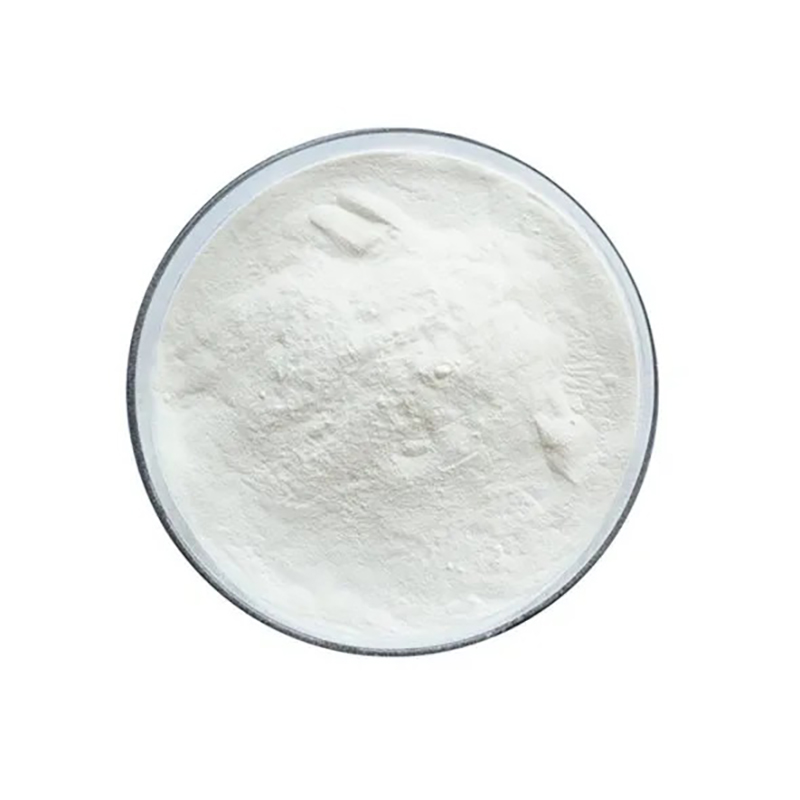
L valine is an essential branched-chain amino acid (BCAA) that plays an important part in protein metabolism, muscle function, and normal energy production. Because the human body cannot produce sufficient valine on its own, it must be obtained through dietary protein or appropriately formulated nutritional products. Along with leucine and isoleucine, valine is one of the three BCAAs commonly discussed in sports nutrition and amino acid supplementation.
For athletes, nutrition brands, and supplement manufacturers, understanding L Valine means looking beyond its classification as a BCAA. Its metabolic pathways, relationship with other essential amino acids, and role in finished nutritional products all influence how it is used. This article examines valine’s biological functions, dietary sources, relevance to sports nutrition, and quality considerations for commercial formulations.
What Is L Valine?
Valine is one of the nine essential amino acids required for human health. It is called a branched-chain amino acid because its molecular structure contains a branched side chain.
The L-form is the biologically relevant stereochemical form commonly used in human nutrition. L-valine has the molecular formula C₅H₁₁NO₂ and is typically supplied commercially as a white crystalline powder.
Its main characteristics include:
- Essential nutrient: The body cannot synthesize enough valine to meet its needs.
- Protein building block: It is incorporated into muscle and other body proteins.
- BCAA classification: It belongs to the same amino acid group as leucine and isoleucine.
- Glucogenic metabolism: Its breakdown produces intermediates that can contribute to glucose production.
- Nutritional applications: It is used in protein products, BCAA blends, and essential amino acid formulations.
Valine is not a standalone muscle-building solution. Its value comes from being part of a balanced supply of essential amino acids.
The Role of Valine in Protein Metabolism
Protein metabolism involves the continuous breakdown, renewal, and formation of proteins throughout the body. Essential amino acids provide the building blocks needed to maintain these processes.
Supporting Protein Synthesis
Valine is incorporated into newly formed proteins. It contributes to the amino acid pool used to build muscle proteins, enzymes, and structural components of tissues.
When the body produces new proteins, it needs an adequate supply of all essential amino acids. If one essential amino acid is insufficient, protein synthesis may be limited even when other amino acids are available.
Contributing to Muscle Protein Maintenance
Muscle tissue undergoes continuous protein turnover. Existing proteins are broken down and replaced as part of normal maintenance and adaptation.
Valine contributes to this process by supplying one of the essential amino acids required for protein formation. However, leucine has a more prominent role in activating signaling pathways associated with muscle protein synthesis. Valine should not be described as having the same signaling effect.
Participating in Amino Acid Metabolism
Valine is metabolized substantially in skeletal muscle. Its breakdown involves several biochemical reactions that produce intermediates used in energy metabolism.
This makes valine relevant to the relationship between amino acid availability, muscle activity, and the body’s broader metabolic requirements.
How Valine Supports Energy Metabolism
Valine is classified as a glucogenic amino acid. During its breakdown, it can form intermediates that enter metabolic pathways associated with glucose production and energy generation.
This classification distinguishes valine from leucine, which is ketogenic. Isoleucine has both glucogenic and ketogenic characteristics.
Valine’s contribution to energy metabolism does not mean that taking additional valine automatically increases stamina or exercise performance. Its metabolic role is part of normal amino acid utilization, and the effects of supplementation depend on overall nutritional status and the specific formulation.
The Three BCAAs: Valine, Leucine, and Isoleucine
The three branched-chain amino acids are often combined in sports nutrition products. Although they share structural features, their biological roles are not identical.
| Amino Acid | Key Biological Role | Metabolic Classification |
|---|---|---|
| L-Valine | Protein building block and contributor to energy metabolism | Glucogenic |
| L-Leucine | Essential amino acid involved in muscle protein synthesis signaling | Ketogenic |
| L-Isoleucine | Contributes to protein metabolism and energy pathways | Glucogenic and ketogenic |
These amino acids are frequently formulated together because they are all essential. However, a BCAA blend does not provide all the amino acids required for complete protein synthesis.
Natural Food Sources of L Valine
A balanced diet containing adequate protein generally provides valine. Both animal-based and plant-based foods can contribute to daily intake.
| Food Group | Examples | Nutritional Contribution |
|---|---|---|
| Meat | Beef, lamb, and pork | Supplies complete protein and essential amino acids |
| Poultry | Chicken and turkey | Provides protein for tissue maintenance |
| Fish | Salmon, tuna, and cod | Contributes protein and other nutrients |
| Dairy | Milk, yogurt, and cheese | Provides protein containing valine |
| Eggs | Whole eggs and egg products | Supplies a range of essential amino acids |
| Soy | Tofu, tempeh, and soybeans | Provides plant-based protein |
| Legumes | Lentils, chickpeas, and beans | Contributes protein and fiber |
| Nuts and seeds | Peanuts, almonds, and pumpkin seeds | Supplies protein and other nutrients |
The amount of valine in each food depends on its protein content, serving size, and preparation. People following plant-based diets can obtain valine through combinations of soy, legumes, grains, nuts, and seeds.
L Valine in Sports Nutrition
Valine is a common ingredient in sports nutrition products, especially those designed to supply BCAAs or essential amino acids.
1. BCAA Powder Formulations
BCAA powders typically combine valine with leucine and isoleucine. These products are marketed toward people who want a convenient source of branched-chain amino acids.
Formulations vary in their ratios. Manufacturers should select proportions based on the intended product design and avoid implying that one fixed ratio is appropriate for every consumer.
2. Essential Amino Acid Supplements
Essential amino acid products provide all nine amino acids that humans must obtain through their diet.
Valine is included alongside leucine, isoleucine, lysine, methionine, phenylalanine, threonine, tryptophan, and histidine.
Because these products contain a broader range of essential amino acids than BCAA-only blends, they can be formulated to provide a more complete amino acid profile.
3. Protein Powders and Nutrition Drinks
Whey, casein, soy, and other protein ingredients naturally contain valine.
Some manufacturers also use individual amino acids to adjust the composition of a product. Before adding isolated valine, formulators should assess the amount already supplied by the base protein ingredient.
4. Pre-Workout and Intra-Workout Products
Valine may appear in multi-ingredient sports nutrition products, including powders intended for use before or during exercise.
Its inclusion should be based on a clear formulation purpose. The presence of valine alone does not establish that a product improves endurance, strength, or exercise performance.
5. Recovery-Oriented Nutrition Products
Products designed for post-exercise nutrition may contain protein, essential amino acids, or BCAAs.
Valine contributes to the essential amino acid content of these formulations. However, adequate total protein and a complete supply of essential amino acids are more important for supporting muscle protein synthesis than isolated BCAA intake.
Does L Valine Supplementation Improve Exercise Performance?
Valine is essential for normal physiology, but this does not mean that taking additional valine will automatically improve athletic performance.
The benefits of supplementation depend on factors such as:
- Existing dietary protein intake.
- Overall energy availability.
- Training intensity and frequency.
- The amino acid composition of the product.
- Individual nutritional requirements.
- The timing and amount of supplementation.
Research on BCAA supplementation has produced mixed findings for outcomes such as exercise performance and recovery. BCAAs alone are not a substitute for complete protein, and evidence does not establish that isolated valine independently increases muscle growth.
For most healthy people who consume adequate protein, additional valine supplementation may not be necessary. Athletes and other consumers should consider their total diet and individual requirements before choosing an amino acid product.
Valine and the Importance of Complete Protein
A key consideration in sports nutrition is the difference between BCAAs and complete protein.
BCAA products contain only three essential amino acids:
- Valine.
- Leucine.
- Isoleucine.
Complete protein foods and appropriately formulated essential amino acid products provide all nine essential amino acids.
Leucine can help initiate signaling associated with muscle protein synthesis, but the process also requires the other essential amino acids as building materials. Therefore, a product that contains only BCAAs cannot replace a complete protein source.
For athletes, a practical nutrition strategy generally focuses on adequate daily protein, balanced meals, and suitable training recovery practices.
How Commercial L Valine Is Manufactured
Commercial L-valine is commonly produced through microbial fermentation. Manufacturers then recover, purify, and process the amino acid to meet the required specifications.
Although production technologies differ, a typical manufacturing process includes several stages.
1. Raw Material Preparation
The manufacturer prepares the nutrients and other materials needed for fermentation.
Input quality and consistency are important because they can affect microbial growth and production performance.
2. Microbial Fermentation
Selected microorganisms produce L-valine under controlled conditions.
Important process parameters may include:
- Temperature.
- pH.
- Nutrient concentration.
- Oxygen availability.
- Fermentation time.
- Microbial strain characteristics.
Process monitoring helps maintain yield and consistency.
3. Separation and Recovery
After fermentation, the target amino acid must be separated from microbial cells and other components of the fermentation broth.
Filtration, clarification, concentration, and other recovery techniques may be used depending on the manufacturing process.
4. Purification
The recovered material undergoes purification to reduce unwanted substances and meet the required quality specifications.
This stage is important for controlling related amino acids and process-derived impurities.
5. Crystallization
Purified valine is crystallized to obtain a solid product.
Crystallization conditions can influence the physical characteristics of the resulting material.
6. Drying and Particle Processing
The crystals are dried to meet moisture requirements. Milling and sieving may be used to achieve the desired particle-size distribution.
The resulting powder is prepared for packaging or further processing.
7. Packaging and Batch Release
The finished product is packed in suitable containers to protect it from moisture and contamination.
Quality personnel review the relevant test results and documentation before releasing the batch for commercial supply.
Quality Considerations for L Valine
Quality assessment is important for manufacturers using valine in dietary supplements, food products, pharmaceutical applications, and research.
Identity
Identity testing confirms that the material is L-valine and matches the product specification.
Suitable analytical methods may include infrared spectroscopy and other recognized techniques.
Assay and Purity
Assay testing determines the amount of valine in the sample.
Buyers should review both the assay result and the impurity profile. A high advertised purity percentage alone does not provide a complete assessment of ingredient quality.
Optical Rotation
Optical rotation testing helps assess the stereochemical characteristics of the material.
This is relevant when the specification requires the L-form.
Related Substances
Related amino acids and process-related impurities should be controlled according to the applicable specification.
Chromatographic methods may be used to identify and measure relevant substances.
Moisture Content
Moisture testing confirms that the material meets its drying requirements.
Appropriate moisture control helps support product stability and handling.
Elemental Impurities
Depending on the grade and intended application, buyers may need to evaluate elemental impurities such as lead, arsenic, cadmium, and mercury.
Microbiological Quality
Microbiological requirements depend on the product’s intended use and applicable standards. Manufacturers should establish appropriate testing and hygiene controls for the relevant market.
Certificate of Analysis
A batch-specific Certificate of Analysis (CoA) documents the results of testing performed on an identified production batch.
Buyers should confirm that the CoA includes the relevant tests and acceptance criteria for their application.
Understanding USP-Grade L Valine
The United States Pharmacopeia (USP) publishes official quality standards for substances and preparations included in its compendia.
When purchasing L-valine described as USP grade, buyers should verify the applicable current USP-NF monograph and supporting product documentation.
Depending on the relevant requirements, quality evaluation may include:
- Identity.
- Assay.
- Optical rotation.
- Related substances.
- Moisture-related specifications.
- Applicable impurity limits.
- Required analytical procedures.
A USP-grade claim should be supported by appropriate testing and documentation. It does not automatically mean that a product is approved for every pharmaceutical, food, or dietary supplement application.
Formulation Considerations for Sports Nutrition Manufacturers
Manufacturers should consider several technical factors when incorporating valine into a finished product.
Amino Acid Ratios
The ratio of valine to leucine and isoleucine influences the composition of a BCAA blend.
Formulators should establish ratios based on the intended product design and relevant nutritional requirements.
Solubility and Dispersion
Powder behavior in liquids can affect the consumer experience.
Manufacturers should test dispersion, mixing behavior, and compatibility with flavoring agents and other formulation components.
Taste and Flavor Masking
Individual amino acids can contribute distinctive taste characteristics.
Sensory testing can help manufacturers select suitable flavors and develop a more acceptable finished product.
Blend Uniformity
Differences in particle size and density can contribute to segregation during handling.
Appropriate blending procedures and in-process checks help support uniform distribution throughout the finished batch.
Labeling and Dosage Accuracy
The declared amount of valine should correspond to the finished formulation.
Controlled weighing, dispensing, and verification procedures help reduce errors during production.
How to Choose a Reliable L Valine Supplier
Ingredient sourcing requires attention to product quality, manufacturing capability, and supply reliability.
1. Review the Technical Specification
Request a current specification sheet that identifies the product grade and relevant acceptance limits.
Check identity, assay, optical rotation, related substances, moisture, and any other parameters required for the intended application.
2. Request a Batch-Specific CoA
Review the actual test results for the batch being purchased.
Confirm that the results meet the agreed specifications and that the document identifies the product and batch clearly.
3. Evaluate Manufacturing and Traceability
Understand whether the supplier manufactures valine directly or obtains it from another producer.
Review manufacturing oversight, batch traceability, and procedures for investigating quality issues.
4. Assess Quality Management
Ask about the supplier’s quality management system, testing capabilities, and relevant certifications.
Verify that any claimed certification is current and applies to the manufacturing site and product category involved.
5. Confirm Packaging and Storage
Packaging should protect the amino acid against moisture and contamination during storage and transportation.
Confirm the recommended storage conditions, packaging sizes, and shelf-life information.
6. Consider Commercial Supply Capacity
For ongoing production, assess minimum order quantities, lead times, production capacity, and batch-to-batch consistency.
Reliable supply arrangements help reduce procurement interruptions and support manufacturing schedules.
Storage and Handling Recommendations
Proper handling helps preserve the quality of L-valine after delivery.
Recommended practices include:
- Store the powder in tightly sealed packaging.
- Keep it in a clean, dry environment.
- Avoid unnecessary exposure to moisture.
- Follow the manufacturer’s recommended temperature conditions.
- Use clean equipment when sampling or transferring material.
- Maintain batch identification and inventory records.
- Follow supplier instructions for shelf life and retesting.
Manufacturers should also use suitable procedures for dispensing and transferring powders to reduce contamination and material loss.
Frequently Asked Questions
Is L valine essential for muscle growth?
Valine is essential for protein formation and normal muscle maintenance. However, muscle growth depends on several factors, including resistance training, adequate energy, and sufficient intake of all essential amino acids. Valine alone does not guarantee muscle growth.
What is the difference between valine and leucine?
Both are essential BCAAs, but their functions differ. Valine contributes to protein formation and glucogenic metabolism, while leucine is particularly recognized for its role in signaling associated with muscle protein synthesis.
Is valine glucogenic or ketogenic?
Valine is glucogenic. Its metabolic breakdown produces intermediates that can contribute to glucose production. Leucine is ketogenic, while isoleucine is both glucogenic and ketogenic.
Which foods provide L-valine?
Valine is found in meat, poultry, fish, eggs, dairy products, soy, legumes, nuts, and seeds. A varied diet with adequate protein generally supplies this essential amino acid.
Are BCAA supplements better than complete protein?
Not necessarily. BCAA supplements provide valine, leucine, and isoleucine, whereas complete protein supplies all nine essential amino acids. Complete protein is generally a more comprehensive source of the building blocks needed for protein synthesis.
How is commercial L-valine produced?
Commercial L-valine is commonly manufactured through microbial fermentation, followed by separation, purification, crystallization, drying, and packaging.
What should manufacturers check when purchasing L-valine?
Manufacturers should review product identity, assay, optical rotation, related substances, moisture, applicable impurity specifications, and batch-specific documentation. Supplier capabilities and storage recommendations should also be evaluated.
Conclusion
L valine is an essential branched-chain amino acid that contributes to protein metabolism, muscle maintenance, and energy-related pathways. Its role in sports nutrition makes it a common component of BCAA blends, essential amino acid products, protein powders, and specialized nutritional formulations.
However, valine works as part of a broader essential amino acid system. Adequate total protein and a balanced supply of all essential amino acids are more important for supporting muscle protein synthesis than relying on isolated BCAA supplementation.
For supplement manufacturers and ingredient buyers, product quality depends on appropriate manufacturing controls, reliable analytical testing, clear specifications, and consistent supply. Careful evaluation of these factors helps ensure that L-valine is suitable for its intended formulation and commercial application.





Post Comment