How KKR Solid Surface Performs in High-Traffic Commercial Environments
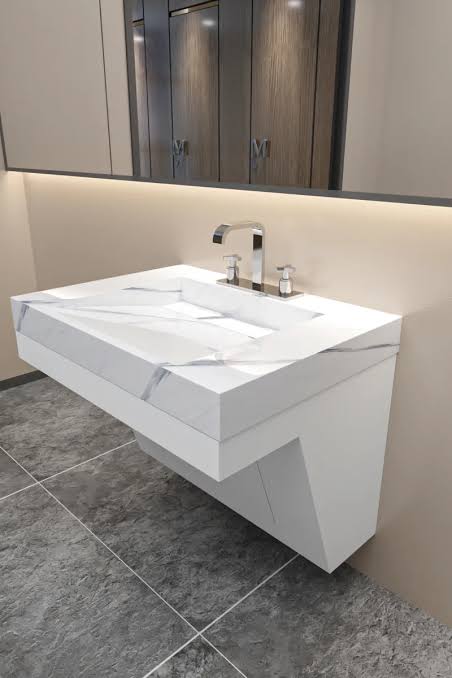
Commercial environments place demanding requirements on interior materials. Hotels, shopping centers, offices, restaurants, healthcare facilities, and public buildings experience continuous activity throughout the day. Countertops, reception desks, vanity tops, wall panels, and other frequently used surfaces must maintain an attractive appearance while supporting regular cleaning and everyday operations.
Choosing suitable materials for these spaces requires careful consideration of durability, maintenance, fabrication quality, and long-term costs. Solid surface materials are often considered for commercial interiors because they offer design flexibility and can be manufactured in different shapes, colors, and finishes. Understanding how KKR Solid Surface products may perform in high-traffic environments helps architects, contractors, facility managers, and procurement teams evaluate their suitability for different applications.
1. Understanding the Requirements of High-Traffic Commercial Spaces
High-traffic environments expose interior surfaces to repeated contact, frequent cleaning, spills, and occasional impacts. A material that performs well in a private residence may require additional evaluation before being selected for a busy commercial facility.
Commercial surfaces commonly experience:
- Repeated contact from customers, employees, and visitors.
- Exposure to water, food residue, cosmetics, and cleaning products.
- Frequent cleaning throughout the day.
- Contact with bags, equipment, and other objects.
- Continuous use of countertops and service areas.
- Greater expectations for consistent appearance across multiple locations.
These conditions make material selection an important part of commercial interior planning. Buyers should consider both the product’s technical characteristics and the demands of its intended application.
2. Durability for Repeated Daily Use
Durability is one of the main factors when evaluating materials for commercial interiors. Surfaces in reception areas, restaurants, washrooms, and retail environments must withstand regular use without requiring constant replacement or extensive maintenance.
Solid surface products are manufactured using different formulations, so their physical characteristics can vary.
When evaluating a product, buyers should review its specifications for relevant properties such as hardness, impact resistance, and resistance to everyday wear.
Managing Surface Wear
Repeated contact can gradually affect the appearance of countertops and other exposed surfaces.
Selecting an appropriate product and finish, combined with suitable maintenance procedures, can help preserve its condition.
Protecting Exposed Edges
Countertop edges and corners may experience impacts from luggage, equipment, furniture, or cleaning tools.
Careful edge design, suitable installation, and protective handling can help reduce the risk of damage.
Matching Products to Their Applications
A reception counter may have different performance requirements from a restaurant preparation surface or a public washroom vanity.
Commercial buyers should select products according to the expected level of use rather than assuming that every solid surface formulation is suitable for every environment.
3. Maintaining a Professional Appearance in Busy Areas
Commercial interiors communicate an organization’s identity. Visitors often form impressions based on reception counters, service desks, washrooms, and other visible areas.
Solid surface materials can support different interior styles through their available colors, textures, and finishes.
Consistent Design Across Multiple Locations
Businesses operating several branches may want similar countertops, reception desks, and washroom surfaces across their properties.
Coordinated product specifications and careful batch planning can help maintain a consistent appearance.
Contemporary Reception Areas
Reception counters are among the most visible features in many offices, hotels, and commercial buildings.
Solid surface materials can be fabricated into customized shapes and designs, depending on the product and manufacturing capabilities.
Suitable Color Selection
Neutral shades can provide a professional appearance, while distinctive colors may support a company’s visual identity.
The selected finish should also be evaluated for its appearance under the lighting conditions of the actual building.
4. Supporting Hygiene and Frequent Cleaning
Cleaning is a routine requirement in busy commercial environments. Surfaces may encounter fingerprints, food residue, cosmetics, water, and other substances throughout the day.
Many solid surface products have smooth, relatively nonporous characteristics, depending on their formulation and finish. These features can support routine cleaning when suitable care procedures are followed.
Easier Removal of Everyday Residue
Smooth surfaces can make it easier to remove common spills and residue using appropriate cleaning methods.
This can be useful for reception counters, washroom vanity tops, and selected service areas.
Managing Joints and Connections
The condition of joints, edges, and connections can influence cleaning requirements.
Where a design uses carefully fabricated joints, it may create a more continuous appearance. The actual result depends on fabrication quality and installation.
Following Approved Cleaning Procedures
Commercial cleaning teams should use products approved for the specific material.
Harsh chemicals, strong solvents, or abrasive tools may affect certain finishes. Facility managers should maintain clear cleaning instructions for employees.
A smooth surface should not be treated as automatically antimicrobial or germ-free. Regular cleaning and appropriate hygiene practices remain essential.
5. Applications in Hotels and Hospitality Facilities
Hotels experience continuous guest movement, making material selection important in both public and private areas.
Solid surface products may be considered for different hospitality applications, depending on their technical specifications.
Hotel Reception Desks
Reception counters are used repeatedly by guests and staff.
A suitable solid surface design can support customized layouts, coordinated colors, and a clean visual appearance.
Guest Bathroom Vanities
Bathroom vanity tops encounter water, soap, cosmetics, and regular cleaning.
Products should be selected according to their moisture-related properties and recommended maintenance procedures.
Restaurant Service Counters
Restaurant counters may experience frequent contact with food containers, utensils, and cleaning products.
The material’s suitability should be verified according to the intended use and applicable hygiene requirements.
Shared Hospitality Areas
Lounges, conference rooms, and other shared spaces may benefit from coordinated surface designs that complement the property’s overall interior.
6. Performance in Shopping Centers and Retail Stores
Retail environments have varied material requirements because they combine customer interaction, product displays, service counters, and high levels of movement.
Checkout Counters
Checkout counters are used repeatedly by customers and employees.
Their surfaces should be selected for the expected contact, cleaning frequency, and visual requirements.
Product Display Areas
Retail displays may use solid surface materials to create customized shapes and coordinated finishes.
The material can help support distinctive presentation concepts when properly fabricated.
Customer Service Desks
Service desks often serve as focal points within stores and shopping centers.
Customized solid surface components may help create a consistent design across different branches.
Maintenance Planning
Retail operators should establish regular inspection and cleaning routines to identify surface damage or deterioration before it becomes more difficult to address.
7. Suitability for Office Buildings and Corporate Interiors
Office buildings contain several areas where surfaces receive frequent daily use.
Reception desks, meeting room counters, pantry worktops, and shared washroom vanities all require suitable materials.
Reception and Waiting Areas
A reception desk often represents the first physical interaction visitors have with a business.
Solid surface materials can support different shapes and colors, helping designers coordinate the counter with the company’s interior identity.
Shared Pantry Countertops
Office pantries experience repeated use by employees.
Countertop materials should be evaluated for their response to spills, cleaning products, and everyday handling.
Meeting and Collaboration Spaces
Customized surfaces can be incorporated into meeting room storage units, presentation counters, and collaborative work areas.
Corporate Design Consistency
Businesses may use similar colors and finishes across multiple floors or office locations.
Product samples and approved specifications help support consistent material selection.
8. Considering Solid Surface for Healthcare and Public Facilities
Healthcare facilities and public buildings require particularly careful material selection because cleaning procedures and operational requirements may be strict.
Solid surface products may be considered for selected counters, reception desks, vanity tops, and other interior components.
However, buyers should verify whether a specific product meets the relevant requirements for the intended healthcare or public application.
Reception and Administrative Counters
These surfaces experience frequent interaction with visitors, patients, and employees.
Their design should consider cleaning requirements, accessibility, and repeated contact.
Washroom Surfaces
Public washrooms experience frequent water exposure and repeated cleaning.
Material specifications, joint details, installation quality, and maintenance procedures should all be reviewed.
Compliance and Documentation
Healthcare projects may require evidence of compliance with specific building, hygiene, fire, or material standards.
Procurement teams should request relevant test reports and certifications rather than assuming that a material is suitable based only on its appearance.
9. Resistance to Stains and Everyday Spills
Commercial surfaces regularly encounter substances that may leave visible marks.
Examples include coffee, tea, sauces, cosmetics, cleaning solutions, and other liquids.
The stain resistance of solid surface materials varies by formulation, finish, and exposure conditions.
Selecting Appropriate Colors
Color can influence how visible certain marks appear.
For example, very light or very dark finishes may show particular types of residue differently. Examining physical samples can help buyers understand the appearance under realistic lighting.
Prompt Spill Management
Cleaning spills soon after they occur can help prevent persistent marks.
Commercial cleaning teams should know which products and procedures are approved for the selected surface.
Evaluating Chemical Compatibility
Commercial facilities may use stronger cleaning products than residential environments.
Before choosing a material, buyers should confirm that its finish is compatible with the cleaning agents planned for routine maintenance.
10. Understanding Scratch and Impact Limitations
High-traffic areas increase the possibility of scratches, scuffs, and accidental impacts.
Solid surface products should therefore be evaluated for their resistance to the types of contact expected in the installation area.
Preventing Scratches
Objects such as metal equipment, tools, and hard packaging may mark some surfaces.
Using suitable protective pads, handling procedures, and cleaning equipment can reduce unnecessary abrasion.
Managing Impact Risks
Countertop corners and exposed edges may be more vulnerable to accidental impacts.
Appropriate edge details and professional installation can help reduce potential problems.
Repair and Refinishing Options
Some solid surface products may allow certain surface imperfections to be repaired or refinished.
However, the available repair methods depend on the material formulation, finish, and extent of the damage. Facility managers should consult qualified professionals before attempting repairs.
11. Design Flexibility for Complex Commercial Interiors
Commercial buildings often include architectural features that require customized dimensions and shapes.
Solid surface materials can provide design flexibility for suitable products and applications.
Curved Reception Counters
Some solid surface formulations can be fabricated into curved components.
This can help designers create distinctive reception areas and service desks.
Customized Vanity Tops
Commercial washrooms may require vanity tops in specific dimensions to fit multiple basins or limited spaces.
Accurate drawings and fabrication planning help ensure the finished components meet installation requirements.
Integrated-Looking Components
Certain designs can incorporate coordinated basins and countertops to create a more continuous visual appearance.
The feasibility depends on the product and the fabrication process.
Coordinated Decorative Features
Solid surface materials may also be used alongside glass, metal, wood, and other finishes to create a consistent interior concept.
12. Installation Quality and Its Effect on Long-Term Performance
Material quality alone does not determine how well a commercial surface performs.
Installation methods, support structures, joint preparation, and site conditions can all influence the finished result.
Accurate Site Measurements
Commercial spaces may contain uneven walls, unusual corners, or complex service connections.
Accurate measurements help reduce fitting problems during installation.
Appropriate Structural Support
Countertops and large panels require suitable support based on their dimensions, thickness, and product specifications.
Extended overhangs and customized shapes may need additional structural planning.
Joint and Edge Preparation
Joints and edges should be prepared according to the manufacturer’s fabrication recommendations.
Poor workmanship may affect appearance and create areas that require additional maintenance.
Final Installation Inspection
Before the space becomes operational, contractors should check dimensions, surface condition, joints, connections, and overall finish quality.
This helps identify problems before customers and employees begin using the area.
13. Comparing Solid Surface with Other Commercial Materials
Solid surface is one of several materials used in commercial interiors. Its suitability should be evaluated against alternatives according to the project’s requirements.
| Material | Common characteristics | Considerations |
|---|---|---|
| Solid surface | Design flexibility and potential for customized shapes | Performance varies by formulation; heat and scratch limitations should be checked |
| Natural stone | Distinctive natural patterns and individual appearance | Weight, maintenance, sealing requirements, and fabrication need consideration |
| Engineered quartz | Mineral-based appearance and a range of decorative options | Heat resistance, care instructions, and product-specific specifications vary |
| Laminate | Broad decorative choices and different price points | Surface construction and resistance to impact or moisture depend on the product |
| Ceramic | Available in different colors and finishes, with good heat-related characteristics in many products | Edges, joints, impact resistance, and installation require consideration |
For high-traffic environments, the best choice depends on the intended application, maintenance resources, appearance requirements, and total project budget.
14. Managing Lifecycle Costs in Commercial Projects
Commercial procurement teams should consider the full cost of owning and maintaining a surface rather than focusing only on the initial purchase price.
A material with a lower upfront cost may require more frequent maintenance or replacement, depending on its performance and use.
Important cost factors include:
- Initial material cost: Product formulation, color, thickness, and finish can affect pricing.
- Fabrication expenses: Customized shapes, cutouts, and edge details may increase production costs.
- Installation requirements: Large or complex installations may require additional labor and support.
- Cleaning expenses: Cleaning products, staff time, and maintenance schedules contribute to ongoing costs.
- Repair requirements: The availability and cost of professional repairs should be considered.
- Replacement planning: Expected service conditions and product specifications can influence replacement decisions.
A detailed quotation and realistic maintenance plan help businesses assess the overall investment.
15. Establishing a Maintenance Program for High-Traffic Surfaces
Even suitable commercial materials require regular care.
A structured maintenance program helps facility managers preserve surface appearance and identify problems before they become more serious.
Daily Cleaning
Frequently used counters and washroom surfaces should be cleaned according to their usage and hygiene requirements.
Periodic Inspection
Facility teams should inspect visible surfaces, edges, joints, and areas around sinks or fixtures.
Staff Training
Cleaning employees should understand which products and tools are suitable for each material.
Damage Reporting
Scratches, cracks, and other unusual changes should be reported promptly.
Professional Assessment
Where damage cannot be addressed through routine maintenance, qualified technicians should evaluate the surface and recommend an appropriate solution.
16. What Commercial Buyers Should Evaluate Before Purchasing
Selecting a solid surface material for a busy facility requires a structured evaluation process.
Procurement teams should consider the following points:
- Intended application: Identify whether the product will be used for reception counters, washroom vanities, service desks, or another purpose.
- Technical specifications: Review relevant information about durability, heat tolerance, stain resistance, and moisture-related performance.
- Cleaning compatibility: Confirm that the material can be maintained using the facility’s planned cleaning products.
- Design requirements: Evaluate available colors, textures, finishes, and customization options.
- Fabrication capabilities: Check whether the supplier can produce the required dimensions and shapes.
- Quality assurance: Ask about inspection procedures and relevant product testing.
- Installation support: Confirm measurement, fabrication, and installation arrangements.
- Delivery protection: Review packaging and transportation procedures for large or customized components.
- Maintenance guidance: Request written cleaning and care instructions.
- After-sales service: Clarify how product defects, damage, and other concerns are handled.
These checks help buyers make decisions based on the needs of the actual facility rather than relying solely on marketing descriptions.
Conclusion
High-traffic commercial environments require surfaces that combine an appropriate appearance with practical performance and manageable maintenance. Solid surface materials can offer design flexibility, customized fabrication possibilities, and a range of colors and finishes for applications such as hotel reception desks, retail counters, office interiors, and commercial washroom vanities.
Their suitability, however, depends on the specific formulation, product specifications, fabrication quality, installation methods, and expected level of use. By reviewing technical documentation, evaluating samples, planning professional installation, and establishing regular maintenance procedures, commercial buyers can make more informed decisions and select surfaces that support their facilities’ long-term operational and design requirements.




Post Comment