Wudu Basin: Understanding Its Features and Benefits for Ablution
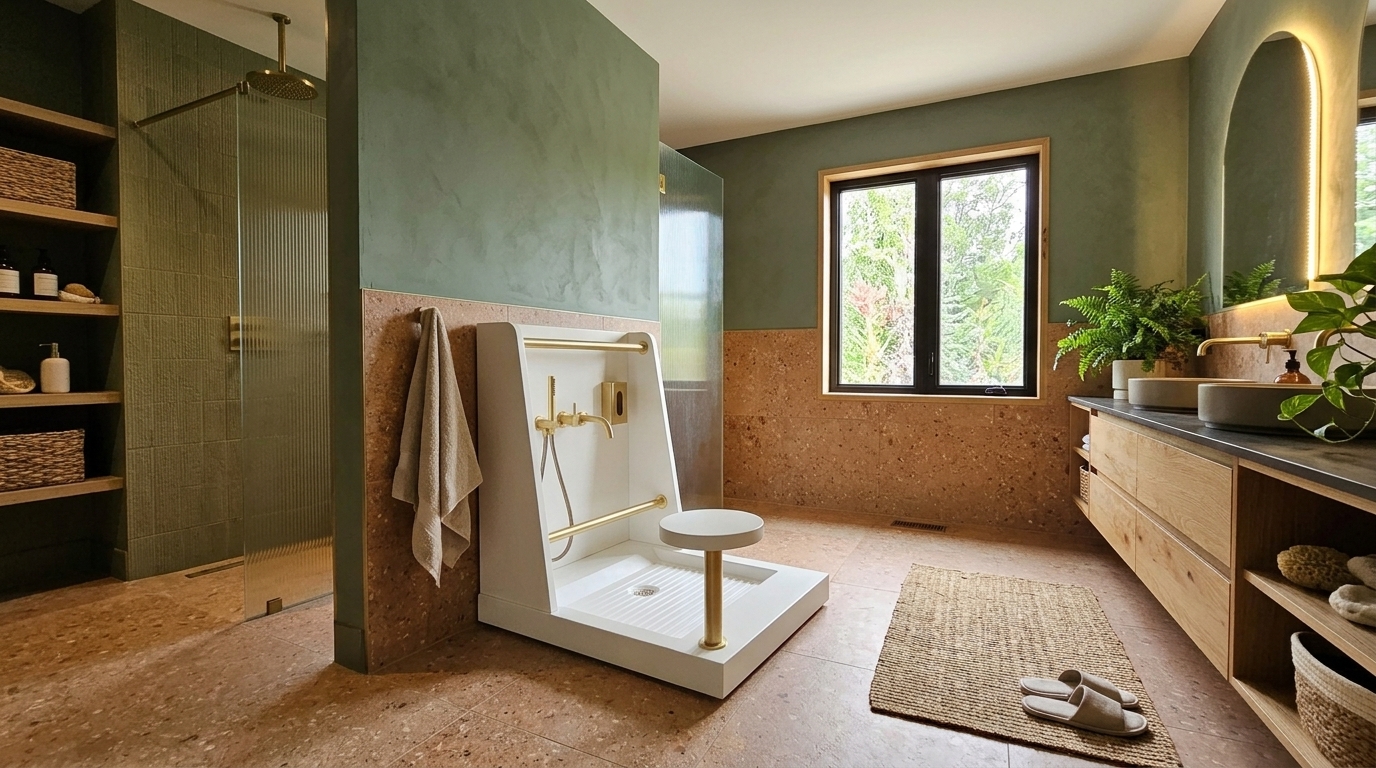
A comfortable ablution area begins with an understanding of what users need from the washing space. Wudu involves washing specific parts of the body before prayer, and the process is repeated throughout the day. A conventional bathroom basin can serve some of these needs, but its height, shape, and position may not make every step convenient. A dedicated fixture offers a way to organize the washing area around this regular activity while keeping the bathroom practical for other uses.
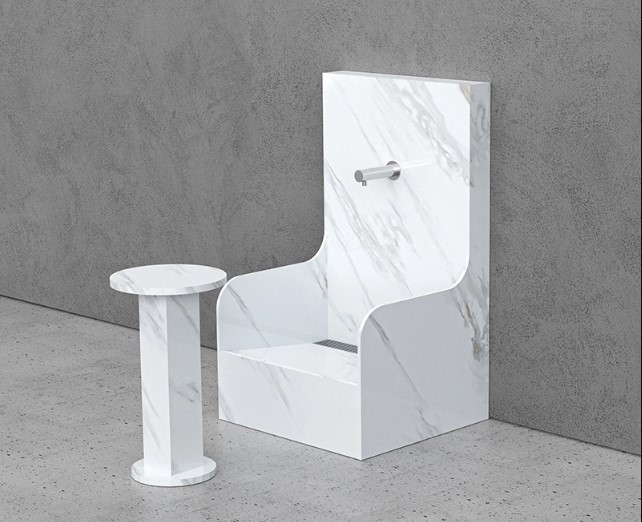
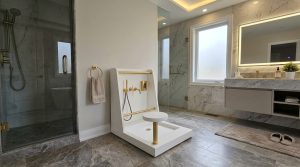
A Wudu basin is designed to support the physical requirements of ablution. Depending on the product, it may have a lower washing section, a foot-washing recess, a broad bowl, or fittings arranged to make rinsing easier. These features vary between designs, so buyers should examine the basin’s actual configuration before deciding whether it is suitable for their home or facility.
What Makes a Wudu Basin Different?
An ordinary washbasin is usually intended for handwashing, face washing, and grooming. It is commonly installed at a height that suits these tasks. Washing the feet at the same fixture may require awkward bending or lifting, and a small bowl may allow water to splash onto the surrounding floor.
An ablution basin is planned with these additional movements in mind. Some models provide a lower area that users can reach more easily. Others have a larger or differently shaped bowl to provide more room for rinsing. The purpose is to improve convenience, not to change the religious requirements or sequence of wudu.
Features That Influence Everyday Use
Height is an important starting point. A basin should be positioned so that users can reach the washing area without excessive bending or stretching. Since family members may differ in height and mobility, the needs of the main users should guide the decision.
The shape and depth of the bowl also affect usability. A suitable basin provides enough room for washing while helping contain water. A design with smooth internal curves may be easier to clean than one with numerous narrow joints. The drain should be positioned so it does not obstruct normal use.
Tap placement deserves equal attention. The outlet should direct water into the useful part of the bowl, and the control should be easy to operate. Buyers should check whether taps are included or need to be sourced separately, as this can affect compatibility and total project cost.
Benefits for Homes and Shared Facilities
In a private home, a dedicated basin can make the bathroom more responsive to the family’s daily routine. It provides a defined place for ablution and may reduce the need to adapt the main vanity for foot washing. This can be particularly helpful when the bathroom is shared by several people.
A mosque or community facility may benefit from a coordinated row of washing stations. Multiple basins can support simultaneous use, provided there is enough space for people to approach and leave safely. The number of units should reflect expected attendance and peak demand rather than simply the size of the room.
Materials and Hygiene
Ablution basins receive frequent water exposure, so material selection should account for durability and cleaning. Ceramic and solid-surface products are among the options available, but their characteristics differ. Review manufacturer information about staining, scratching, cleaning agents, and surface repair.
Hygiene also depends on the surrounding area. Smooth finishes, accessible drains, and suitable waterproofing can make routine cleaning easier. Remove residue regularly and inspect taps and seals for leaks. In a shared facility, establish a cleaning schedule that reflects the frequency of use.
Installation and Water Management
Before purchasing, measure the proposed location and identify existing water and waste connections. Check the basin’s mounting requirements and allow sufficient standing space. The floor should be suitable for wet conditions, with slip resistance and sealed joints where appropriate.
Effective drainage is essential. A plumber can verify whether the waste connection and pipework are suitable, especially when several basins will be used at once. Water-saving taps may also be worth considering, provided their flow remains practical for washing.
A Useful Fixture When Chosen Carefully
A wudu basin can provide a more suitable setting for regular ablution when its dimensions, features, and installation are matched to the users. Consider comfort, drainage, material quality, and maintenance together. This practical approach helps create a washing area that supports daily worship while remaining clean, safe, and functional.




Post Comment