Round Vs Rectangular Small Wash Basin: Which Shape Uses Space Better?
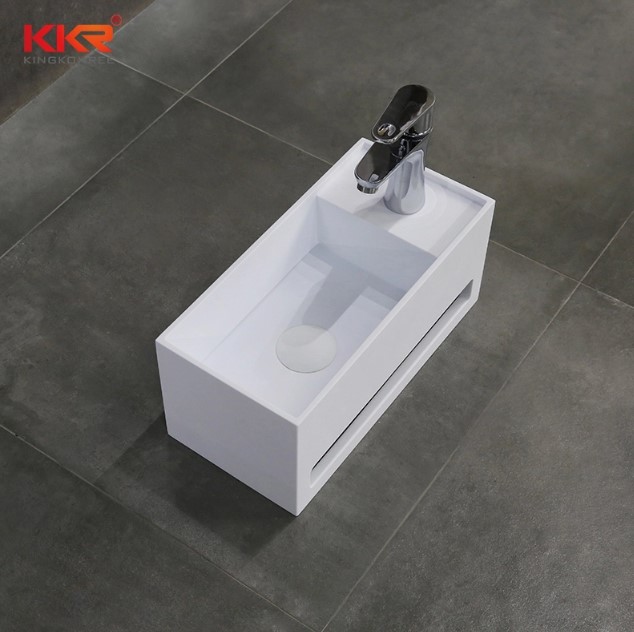
Choosing the shape of a basin can affect how much usable space remains in a compact bathroom or toilet room. A round design brings softer curves to the interior, while a rectangular model offers defined edges that may fit neatly against a wall or vanity. Both shapes have practical advantages, yet their space efficiency depends on the room layout and the basin’s dimensions.
A small wash basin should provide enough room for comfortable handwashing without making the surrounding area difficult to use. Comparing round and rectangular options involves more than measuring their width. Bowl depth, wall projection, tap placement, and the space needed to stand in front of the fixture all influence the final result.
How Basin Shape Affects Space Usage
The outline of a basin determines how it occupies the available surface and interacts with nearby fixtures. A round basin has a curved perimeter that may reduce its footprint in certain layouts. A rectangular basin uses straight edges that can align closely with walls, corners, and narrow countertops.
However, shape alone does not determine which model saves more space. A wide round basin may occupy more room than a shallow rectangular one. Similarly, a deep rectangular design may extend farther into the bathroom than a compact circular model.
For an accurate comparison, consider the basin’s total width, front-to-back measurement, internal bowl size, and installation requirements.
Round Basins: Where Their Shape Works Best
Round basins suit bathrooms that benefit from soft curves and a simple layout. Their curved edges can make a compact area feel less rigid, especially when the surrounding fixtures have rounded profiles.
Advantages Of Round Basins
A round basin can work well on a small countertop because it does not have projecting corners. This may make it easier to move around when the fixture sits near a walkway or another fitting.
Its curved shape also creates a balanced appearance in compact interiors. When paired with a suitable tap, a round model can become a neat handwashing point without requiring a large vanity surface.
Other practical advantages include:
- Soft edges: Curved sides reduce sharp corners in tight layouts.
- Flexible placement: Round designs can suit different countertop arrangements.
- Simple appearance: Their shape works well in minimalist bathrooms.
- Compact options: Smaller circular models can fit narrow areas.
Limitations Of Round Basins
A round basin may leave unused gaps on a rectangular countertop. The curved sides do not align with the straight edges of the surface, so the remaining space may be harder to use for storage or accessories.
Some round bowls also have limited internal width. A small opening can make handwashing less comfortable, particularly when the basin is too shallow.
The tap position needs careful planning as well. A poorly placed tap may sit too far behind the bowl or direct water close to its edge.
Rectangular Basins: Making Use Of Straight Surfaces
Rectangular basins have a defined shape that often works well in narrow bathrooms. Their straight sides can sit close to walls and fit neatly into compact vanity units or narrow countertops.
Advantages Of Rectangular Basins
A rectangular design can make efficient use of a long, narrow surface. Its edges align with the surrounding furniture, allowing homeowners to use more of the available countertop area.
The shape may also provide a wider handwashing area without increasing the basin’s front-to-back projection. This can be useful when several people share a small bathroom.
Key benefits include:
- Better edge alignment: Straight sides fit neatly against rectangular surfaces.
- Useful bowl width: Many models offer a broad handwashing area.
- Organised appearance: The shape complements straight lines in modern interiors.
- Vanity compatibility: Rectangular designs often suit narrow cabinets and shelves.
Limitations Of Rectangular Basins
Sharp corners may feel less comfortable in very narrow spaces where people need to pass close to the fixture. Some models also require more countertop width than a compact round alternative.
The internal corners can collect soap residue and dirt when the bowl has a sharply defined design. Rounded internal transitions may make cleaning easier, so check the bowl’s shape rather than focusing only on its outer edges.
Round Vs Rectangular: A Practical Space Comparison
Both shapes can work in small bathrooms, but their performance changes according to the available layout.
| Space Consideration | Round Basin | Rectangular Basin |
| Wall alignment | Curved edges leave gaps near straight walls | Straight sides align closely with walls |
| Countertop use | May leave unused corner areas | Often uses rectangular surfaces efficiently |
| Movement around basin | No projecting corners | Corners may sit close to walkways |
| Bowl capacity | Depends on diameter and depth | Often offers a wider handwashing area |
| Cleaning | Smooth curves are easy to wipe | Internal corners may need extra attention |
| Interior style | Soft and rounded appearance | Clean and structured appearance |
The comparison shows that rectangular basins often make better use of long, straight surfaces. Round models may suit layouts where avoiding projecting corners matters more than maximising countertop coverage.
Neither shape automatically provides more usable space. The measurements and installation position remain the deciding factors.
Which Shape Works Better In Different Bathroom Layouts?
The room’s arrangement can make one basin shape more suitable than the other. Consider where the fixture will sit and how people will move around it.
Narrow Bathrooms
A rectangular basin may work better along a narrow wall because its straight edges use the available width efficiently. A shallow model can provide a useful bowl without extending too far into the room.
A round basin can also suit this layout when the walkway passes close to its outer edge. Its curved perimeter may reduce contact with sharp corners.
Small Guest Toilets
Guest toilets often have limited space for both the basin and toilet. A compact round model can soften the layout and fit into a small area near the entrance.
A narrow rectangular basin may be more suitable when there is a long section of unused wall. It can provide a wider handwashing area while keeping its overall projection controlled.
Compact Vanity Areas
Rectangular basins generally make better use of narrow vanity surfaces. Their straight edges leave more predictable space for soap dispensers and other bathroom essentials.
Round basins suit smaller countertops where a softer appearance is preferred. However, check the remaining surface area before adding accessories.
Corner Installations
A purpose-designed corner basin can make use of an awkward area that might otherwise remain empty. Round and rectangular models designed for corner mounting can both work, depending on their shape and mounting requirements.
Do not assume that a standard round basin will fit neatly into every corner. Check its tap position, bowl orientation, and wall clearance before purchasing.
Look Beyond The Outer Shape When Comparing Dimensions
Two basins with similar outer measurements may offer very different levels of comfort. The internal bowl dimensions determine how much room users have for washing their hands.
A wider bowl may provide better hand clearance, but it could also require a larger countertop. A deeper bowl can reduce splashing, although excessive depth may make the fixture harder to reach in a tight space.
Check these details before choosing:
- Overall width and front-to-back projection
- Internal bowl width and depth
- Distance between the tap and bowl
- Required mounting clearance
- Space for waste fittings and plumbing
- Remaining standing area in front of the fixture
Product dimensions should include the full installation footprint where possible. This gives a clearer idea of how much room the basin will actually occupy.
Material And Cleaning Requirements Matter Too
The basin material affects maintenance, durability, and the overall appearance of the bathroom. Ceramic remains a common option because its smooth glazed surface is easy to clean and suits both round and rectangular designs.
Solid surface basins offer another choice for contemporary interiors. Their finish can create a consistent appearance and work well with compact shapes. Check the manufacturer’s care instructions to understand which cleaning products are suitable.
Shape also influences routine cleaning. Round bowls generally have continuous curved surfaces, while rectangular designs may contain internal corners that need additional attention. Models with gently rounded internal edges can reduce this difference.
How To Make Either Shape Work In A Small Bathroom
The right installation choices can improve the space efficiency of both basin types. Start by selecting a model with suitable projection and avoid adding a bulky vanity when the room does not have enough floor space.
Wall-mounted basins keep the area underneath open and make floor cleaning easier. A compact tap can also prevent the fittings from taking up unnecessary room around the bowl.
Keep accessories limited to essentials. A wall-mounted soap dispenser, narrow towel ring, and small mirror can provide useful functions without filling the available countertop.
Before installation, mark the basin’s dimensions on the wall or countertop. Check the door swing and stand in front of the marked area to see how comfortably someone can use the fixture.
Final Verdict: Which Basin Shape Saves More Space?
Rectangular basins often use long, narrow countertops more efficiently because their straight edges align with walls and vanity surfaces. Round basins can be a better choice where curved edges help maintain clearance around nearby fixtures or create a softer arrangement.
The best option depends on the bathroom’s dimensions, available surface area, and required standing space. Compare the complete measurements rather than choosing based on shape alone.
When exploring compact basin designs, kingkonree offers options worth considering for bathrooms where practical dimensions and a suitable finish both matter. A well-sized basin in the right position will make better use of limited space, regardless of whether its outline is round or rectangular.




Post Comment