Choosing the Right Aluminium Extrusion Enclosure for Your Project
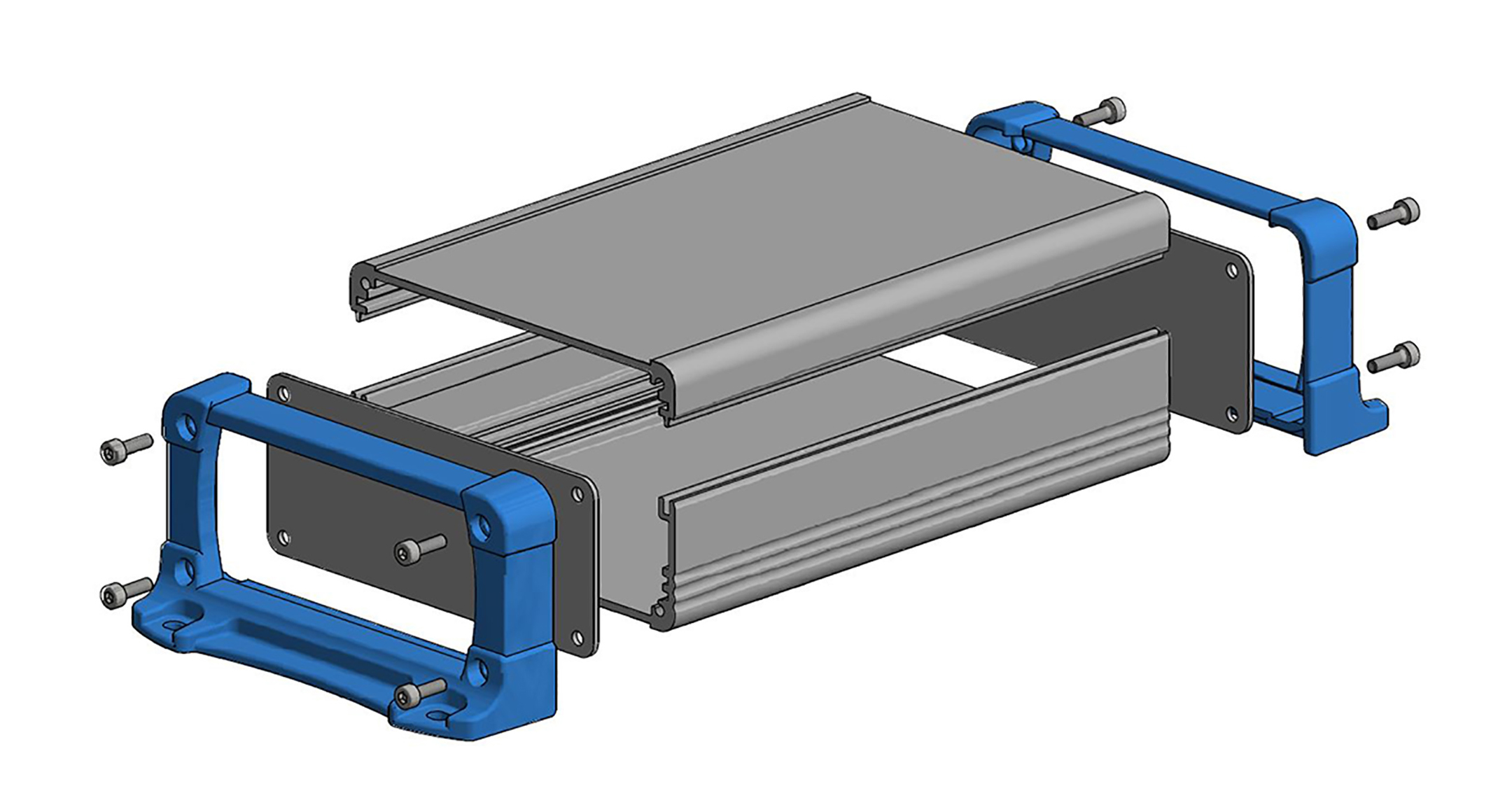
Aluminium extrusion enclosures are widely used in industrial, electronic, and automation systems because they offer a strong combination of durability, flexibility, and thermal performance. However, selecting the right enclosure for a specific project requires careful evaluation of technical requirements, environmental conditions, and long-term performance needs.
Working with a reliable aluminium enclosure manufacturer helps ensure that the final solution is properly engineered for the application. A well-selected aluminium extrusion enclosure can significantly improve system reliability, safety, and efficiency across different industrial environments.
Table of Contents
ToggleUnderstanding Project Requirements First
Before selecting an enclosure, it is essential to clearly define the project requirements. This step ensures that the enclosure is suitable for both functional and environmental conditions.
Key factors to consider include:
- Type of electronic or industrial equipment being housed
- Operating environment (indoor, outdoor, or harsh conditions)
- Heat generation and ventilation needs
- Size and layout of internal components
- Level of protection required (dust, water, impact)
A clear understanding of these requirements helps narrow down suitable enclosure options.
Selecting the Right Size and Structure
Size and structural design play a major role in enclosure performance. Aluminium extrusion enclosures offer flexibility in dimensions, making them suitable for both compact and large-scale systems.
Important considerations include:
- Adequate internal space for components and wiring
- Proper clearance for heat dissipation
- Structural strength for mounting and support
- Future expansion or modification needs
Choosing the correct size prevents overheating, overcrowding, and installation issues.
Evaluating Environmental Conditions
Environmental exposure is one of the most important factors when selecting an enclosure. Different conditions require different levels of protection and finishing.
Common environments include:
- Industrial facilities with dust and vibration
- Outdoor installations exposed to weather conditions
- High-temperature environments with heat-generating equipment
- Corrosive or chemically exposed areas
Depending on the environment, additional sealing, coatings, or protective treatments may be required.
Importance of Thermal Management
Heat management is critical for maintaining the performance and lifespan of electronic systems. Aluminium extrusion enclosures are naturally effective in heat dissipation, but design features also play an important role.
Key thermal considerations include:
- Ventilation openings or heat sink integration
- Material thickness and conductivity
- Internal layout for airflow optimization
- Heat-generating component placement
Proper thermal design prevents overheating and improves system stability.
Choosing the Right Surface Finish
Surface finishing directly impacts durability, corrosion resistance, and appearance. Different applications require different finishing options.
Common finishing choices include:
- Anodizing for corrosion resistance and surface hardness
- Powder coating for durability and color customization
- Conductive coatings for EMI protection
- Brushed finishes for professional appearance
The right finish depends on environmental exposure and functional requirements.
Customization and Design Flexibility
One of the main advantages of aluminium extrusion enclosures is their ability to be customized. This flexibility allows engineers to design enclosures that perfectly match project requirements.
Customization options include:
- Precision cutouts for connectors and interfaces
- Internal mounting systems for circuit boards
- Modular design for easy expansion
- Special sealing for dust and water protection
Customization ensures seamless integration with electronic and industrial systems.
Ensuring Proper Protection Levels
Protection ratings are essential for ensuring that enclosures perform reliably in different environments. In industrial applications, ingress protection (IP) ratings are commonly used.
Key protection features include:
- Dust and water resistance
- Impact protection for mechanical safety
- Sealed joints and gaskets
- EMI shielding for sensitive electronics
Selecting the correct protection level helps prevent equipment failure and downtime.
Working with a Reliable Manufacturer
Partnering with an experienced aluminium enclosure manufacturer ensures better product quality, engineering support, and long-term reliability. Manufacturers provide valuable guidance in selecting the right design and specifications.
Benefits of working with a manufacturer include:
- Engineering consultation for optimized design
- Access to advanced manufacturing technologies
- Consistent quality control and testing
- Scalable production for future needs
This support is especially important for complex industrial projects.
Conclusion
Choosing the right aluminium extrusion enclosure requires careful consideration of size, environment, thermal performance, customization, and protection requirements. Each factor plays a critical role in ensuring that the enclosure performs effectively in its intended application.
By working with a professional aluminium enclosure manufacturer, businesses can ensure that every aluminium extrusion enclosure is designed and produced to meet exact project needs. A well-selected enclosure not only protects equipment but also improves efficiency, reliability, and long-term system performance.





Post Comment