Choosing the Right Industrial Dust Remover for Effective Dust Control and Cleaner Operations
Dust generation is a common challenge across manufacturing plants, construction material facilities, mining operations, and bulk processing industries. Activities such as crushing, grinding, mixing, cutting, and material transportation release airborne particles that can spread throughout production areas. Without effective control measures, these particles may affect employee health, contaminate products, increase cleaning requirements, and reduce equipment reliability.
Choosing an appropriate Dust Remover is an important step toward controlling industrial dust at its source and maintaining cleaner operating conditions. The right solution depends on the type of material being processed, the amount of dust generated, the facility layout, and the required level of air filtration. Understanding these factors helps businesses select equipment that provides dependable performance without creating unnecessary operating costs.
Understanding Industrial Dust Removal
Industrial dust removal involves capturing and separating unwanted particles from air or surfaces generated during production activities. Depending on the application, dust control may involve localized extraction, centralized filtration, mechanical separation, or specialized cleaning equipment.
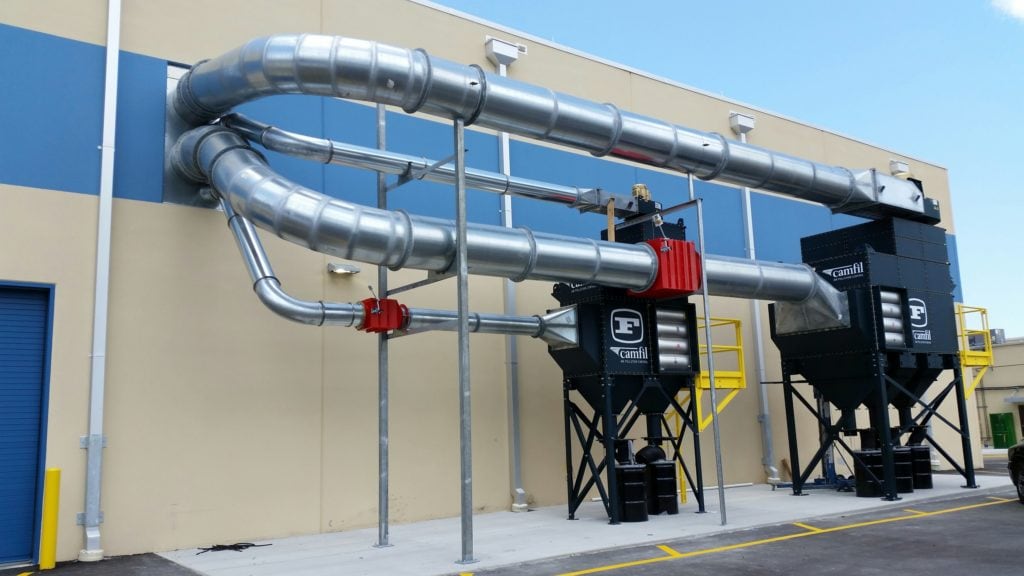
Airborne dust is commonly managed through extraction hoods connected to ductwork and filtration units. Contaminated air enters the system, passes through a separation process, and leaves with a reduced concentration of particles.
Some applications also require equipment designed to remove settled dust from machinery, floors, storage areas, and production surfaces. Combining suitable collection systems with regular housekeeping provides more comprehensive dust management.
Common Industrial Dust Removal Solutions
Different industrial environments require different approaches to dust control. Selecting the correct technology starts with understanding the available equipment options.
1. Industrial Dust Collectors
Dust collectors capture airborne particles through filtration or mechanical separation. They are widely used in cement production, metal processing, woodworking, mining, and chemical manufacturing.
Depending on the design, these systems may use filter bags, cartridges, or other filtration media to separate dust from incoming air.
2. Industrial Vacuum Systems
Industrial vacuum equipment removes settled dust and debris from floors, machinery, production lines, and hard-to-reach areas.
Unlike ordinary household vacuum cleaners, industrial models are designed for demanding environments and may include specialized filtration, larger collection containers, and durable components.
The vacuum system should be compatible with the material being collected, especially when handling hazardous or combustible dust.
3. Cyclone Separators
Cyclone separators use centrifugal force to remove heavier particles from an air stream.
Dust-laden air enters a rotating chamber, causing larger particles to move toward the outer wall before falling into a collection hopper.
These units are often installed as pre-separation equipment to reduce the particle load reaching downstream filters.
4. Wet Dust Suppression Systems
Wet suppression systems use water sprays, misting equipment, or other suitable liquid-based methods to reduce airborne dust generation.
They are commonly applied in mining, aggregate handling, construction material processing, and outdoor storage areas.
The amount of water must be carefully controlled to avoid creating material handling problems, excessive moisture, or wastewater management issues.
5. Local Exhaust Ventilation
Local exhaust ventilation captures dust close to the point where it is generated.
Extraction hoods, enclosed workstations, and connected ductwork help prevent particles from spreading into surrounding work areas.
This approach is particularly useful for processes involving welding, grinding, cutting, and powder handling.
Key Factors to Consider When Choosing Industrial Dust Removal Equipment
Selecting suitable equipment requires evaluating the operating environment rather than relying on a single specification.
Dust Type and Particle Characteristics
The nature of the dust has a direct impact on equipment selection.
Important characteristics include:
- Particle size and distribution.
- Dust concentration and generation rate.
- Moisture content.
- Abrasiveness and corrosiveness.
- Temperature of the process air.
- Chemical composition.
- Combustibility and potential health hazards.
Fine particles may require high-efficiency filtration, while coarse or abrasive materials may be better suited to mechanical pre-separation or more durable collection components.
Required Airflow Capacity
Airflow capacity determines how much contaminated air the system can handle within a given period.
The required volume depends on the number of extraction points, hood dimensions, ductwork arrangement, and dust generation rate.
An undersized system may fail to capture particles effectively. Excessive airflow, on the other hand, can increase energy consumption and operating expenses.
A professional system assessment helps establish the appropriate airflow requirements for each application.
Filtration Performance
Filtration performance should match the particle characteristics and the cleanliness requirements of the facility.
Filter materials vary in their ability to capture fine particles, tolerate elevated temperatures, and withstand moisture or chemical exposure.
Businesses should also consider filter cleaning methods, pressure drop, replacement costs, and the availability of spare components.
Installation Requirements
Available floor space, ceiling height, ductwork routes, electrical connections, and maintenance access all influence equipment installation.
A centralized system may be appropriate for facilities with multiple dust-generating processes, while smaller operations may benefit from localized extraction units.
The installation design should allow operators to inspect and service equipment without disrupting normal production activities.
Energy Efficiency and Operating Costs
The initial purchase price is only one part of the overall investment.
Industrial dust removal equipment also involves electricity consumption, filter replacement, maintenance labor, waste disposal, and potential production interruptions.
Comparing total operating costs helps businesses identify solutions that offer reliable performance over their expected service life.
Benefits of Effective Industrial Dust Control
Improved Workplace Air Quality
Controlling airborne particles helps create a cleaner environment for employees and reduces exposure to potentially harmful substances.
This is particularly important in facilities that process silica-containing materials, metal powders, wood dust, or chemical compounds.
Dust removal equipment should be selected as part of a broader occupational health strategy that includes ventilation assessments, exposure monitoring, and appropriate personal protective equipment.
Better Equipment Protection
Dust can accumulate on motors, bearings, electrical panels, sensors, and moving mechanical components.
Over time, this buildup may contribute to overheating, abrasion, reduced equipment performance, or maintenance problems.
Effective dust control helps limit contamination and supports more dependable machinery operation.
Cleaner Production Areas
Excessive dust accumulation increases housekeeping requirements and can make industrial workspaces difficult to maintain.
Suitable removal systems reduce the spread of particles and help keep floors, equipment, and production surfaces cleaner.
This can also improve visibility around machinery and simplify routine cleaning activities.
Reduced Material Waste
In certain applications, collected dust contains reusable raw materials or valuable product particles.
When the material is suitable for recovery and the process allows it, collection equipment can help return captured particles to production.
This may improve resource utilization and reduce unnecessary material losses.
More Consistent Product Quality
Dust contamination can affect surface finishes, product purity, coating operations, and sensitive manufacturing processes.
Controlling airborne particles helps maintain cleaner production conditions and reduces the possibility of unwanted contamination.
Applications Across Different Industries
Industrial dust removal technology supports a wide range of manufacturing and processing activities.
Cement and construction materials: Crushing, grinding, mixing, and conveying operations produce substantial quantities of airborne particulate matter. Collection systems help control emissions around processing equipment and transfer points.
Mining and mineral processing: Drilling, screening, crushing, and material transportation can generate dust that requires extraction or suppression. Equipment must withstand abrasive materials and demanding operating conditions.
Metalworking: Welding, cutting, polishing, and grinding release metal particles and fumes. Suitable extraction systems help capture contaminants close to their source.
Wood processing: Sawing, sanding, and machining generate fine wood dust. Proper collection is important for air quality, housekeeping, and combustible dust risk management.
Food and chemical manufacturing: Powder mixing, weighing, filling, and packaging can release fine particles. Appropriate filtration helps maintain process cleanliness and control exposure.
The Importance of Proper Installation and System Design
Even high-quality dust removal equipment may deliver poor results if it is incorrectly installed or integrated into the production process.
Extraction hoods should be positioned close to dust generation points so that particles are captured before spreading into surrounding areas.
Ductwork should be designed to maintain suitable airflow and minimize unnecessary pressure losses. Poorly arranged ducts, leakage, or unsuitable bends can reduce system effectiveness.
The filtration unit should also be accessible for routine inspection, filter replacement, and dust discharge.
For facilities with several production lines, an integrated design can coordinate extraction points and central filtration equipment more effectively than disconnected collection units.
Maintenance Practices That Support Reliable Performance
Regular inspection and preventive maintenance help industrial dust removal systems operate consistently.
Important maintenance activities include:
- Inspecting filters for damage, excessive dust buildup, and signs of leakage.
- Monitoring airflow and differential pressure across filtration components.
- Checking fans, motors, bearings, and drive systems.
- Examining ductwork and connections for blockages or air leakage.
- Cleaning collection hoppers and checking discharge mechanisms.
- Testing sensors, automatic cleaning controls, and safety devices.
- Replacing worn components according to operating conditions and manufacturer guidance.
Maintenance frequency should reflect dust characteristics, equipment usage, and the recommendations provided by the manufacturer.
Facilities handling combustible or hazardous dust should also follow appropriate inspection procedures and safety standards.
Safety Considerations in Industrial Dust Removal
Some industrial dusts present risks beyond ordinary housekeeping concerns. Fine combustible particles can create fire or explosion hazards when the right concentration, ignition source, and environmental conditions are present.
Materials such as certain metal powders, wood dusts, and organic powders require particular attention.
Before selecting equipment, businesses should assess the hazards associated with the material and process. Depending on the findings, the system may require explosion protection, isolation devices, grounding, suitable electrical components, or specialized collection arrangements.
Hazardous dust should never be handled with ordinary cleaning equipment unless that equipment is specifically rated and suitable for the application.
Conclusion
Choosing the right industrial dust removal solution requires a clear understanding of dust characteristics, production requirements, airflow needs, filtration performance, and workplace safety considerations. From centralized filtration systems to industrial vacuum equipment and localized extraction, each technology serves a different purpose.
A well-designed system helps improve workplace air quality, protect machinery, reduce material waste, and maintain cleaner production areas. By combining appropriate equipment selection with professional installation and regular maintenance, industrial facilities can establish more effective dust control practices and support reliable long-term operations.




Post Comment