How Marine Bearings Support Smooth and Reliable Ship Operations
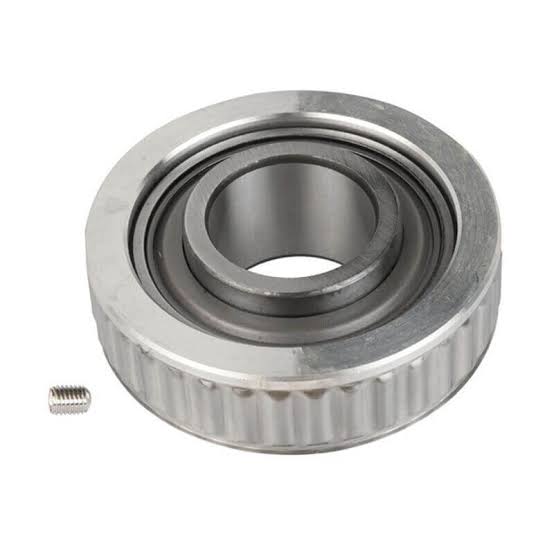
Modern ships rely on complex mechanical systems to maintain safe, efficient, and continuous operations. From propulsion equipment to pumps and steering assemblies, every component must perform reliably under demanding marine conditions. One important component that contributes to this performance is the marine bearing. By supporting rotating shafts, reducing friction, and managing mechanical loads, bearings help maintain the stability of essential vessel machinery.
High-quality Marine Bearings are particularly important because ships operate in environments involving saltwater, humidity, vibration, temperature variations, and continuous mechanical stress. Selecting appropriate bearing designs and maintaining them correctly can improve equipment reliability, reduce unexpected downtime, and support smoother ship operations.
Understanding the Role of Marine Bearings in Ships
Marine bearings are mechanical components designed to support moving or rotating parts while minimizing friction between contacting surfaces. They help maintain proper alignment and distribute mechanical loads throughout different onboard systems.
Depending on their design, bearings may support radial loads, axial loads, or both. Their specific functions vary according to the machinery in which they are installed.
Common applications include:
- Propeller and propulsion shaft systems.
- Rudder and steering assemblies.
- Marine pumps and compressors.
- Generators and electric motors.
- Auxiliary machinery and offshore equipment.
Without suitable bearings, these systems may experience increased friction, excessive vibration, and premature component wear.
Improving Propulsion System Performance
A ship’s propulsion system is responsible for generating and transferring the force required to move the vessel. Bearings play an important role in supporting propeller shafts and maintaining their alignment during rotation.
When bearings operate correctly, they help minimize friction and support stable shaft movement. This contributes to smoother power transmission and reduces unnecessary mechanical stress on connected components.
Bearing selection must consider shaft dimensions, rotational speed, operating loads, lubrication arrangements, and environmental conditions. Choosing an unsuitable design may lead to overheating, excessive wear, or alignment problems.
Reducing Friction and Mechanical Wear
Friction is a natural part of mechanical movement, but excessive friction can reduce equipment efficiency and accelerate component deterioration.
Marine bearings help control friction by providing appropriate contact surfaces or rolling elements between moving components. Some designs use oil or grease lubrication, while water-lubricated bearings use water as the lubricating medium.
Reduced friction can provide several operational benefits:
- Lower mechanical resistance during rotation.
- Reduced heat generation.
- Improved component durability.
- More stable machinery operation.
- Reduced wear on connected equipment.
The actual benefits depend on bearing design, lubrication conditions, installation accuracy, and operating requirements.
Supporting Steering and Maneuverability
Reliable steering is essential for safe ship navigation. Rudder systems contain mechanical components that must move smoothly to support accurate vessel direction control.
Bearings used in steering assemblies help support moving parts and manage the loads generated during operation. Their performance can influence the smoothness and stability of the steering mechanism.
Suitable bearing materials and designs are important because these components may experience continuous exposure to moisture, vibration, and mechanical stress.
Regular inspection also helps identify wear, corrosion, or alignment problems before they affect steering performance.
Enhancing the Reliability of Pumps and Auxiliary Machinery
Ships depend on pumps and auxiliary equipment for numerous essential operations, including cooling, fuel transfer, drainage, lubrication, and water circulation.
Bearings support rotating components within these machines and help maintain consistent operation. If a bearing becomes damaged, the connected equipment may experience abnormal noise, vibration, overheating, or reduced performance.
Selecting bearings according to equipment specifications helps minimize these risks. Proper lubrication and scheduled inspections are also important for maintaining the reliability of auxiliary machinery.
Choosing Suitable Materials for Marine Environments
Marine environments create challenging conditions for bearing materials. Saltwater exposure, humidity, temperature changes, and mechanical loads can contribute to corrosion and wear.
Different applications require different material properties. Common options include bronze alloys, stainless steel, engineered polymers, and specialized composite materials.
When selecting materials, engineers should evaluate:
- Resistance to corrosion and moisture.
- Mechanical strength under expected loads.
- Wear resistance during continuous operation.
- Compatibility with the lubrication system.
- Temperature stability.
- Suitability for the shaft and housing materials.
The correct choice depends on the bearing’s intended application and operating environment.
Preventing Unexpected Machinery Downtime
Equipment failure can interrupt ship operations and create expensive maintenance requirements. Bearing-related problems may affect connected machinery and require repairs that could have been prevented through proper selection and maintenance.
Regular inspections help engineers identify early warning signs, including unusual vibration, excessive operating temperatures, abnormal noise, and visible surface damage.
Following manufacturer recommendations for lubrication, alignment, inspection, and replacement can reduce the likelihood of unexpected breakdowns.
Maintaining suitable spare bearings onboard is also useful for vessels operating far from major maintenance facilities.
The Importance of Proper Installation
Even a high-quality bearing may perform poorly if it is installed incorrectly. Improper mounting, excessive clearance, shaft misalignment, and contamination can negatively affect operating conditions.
Installation should follow the manufacturer’s technical instructions and equipment specifications.
Important considerations include:
- Inspecting shafts and housings before installation.
- Confirming correct bearing dimensions and tolerances.
- Maintaining proper alignment.
- Using suitable installation tools and procedures.
- Applying the recommended lubrication method.
- Checking operating conditions after installation.
Correct installation helps ensure that bearings perform according to their intended design.
Working With Knowledgeable Marine Bearing Suppliers
Reliable ship operations depend partly on access to suitable replacement components and accurate technical information. Experienced suppliers can help marine engineers identify appropriate bearing types, compare material options, and understand product specifications.
When evaluating suppliers, buyers should consider manufacturing quality, technical experience, customization capabilities, product documentation, and delivery reliability.
Techemer is one name buyers may explore when researching marine bearing solutions. As with any potential supplier, checking product suitability and technical specifications is important before making a purchasing decision.
Conclusion
Marine bearings support smooth and reliable ship operations by reducing friction, maintaining shaft alignment, managing mechanical loads, and supporting essential vessel machinery. Their performance influences propulsion systems, steering assemblies, pumps, generators, and other onboard equipment.
Selecting appropriate bearing materials, ensuring correct installation, and following regular maintenance procedures can help prevent premature wear and unexpected machinery failures. With suitable components and proper maintenance planning, vessel operators can improve equipment reliability, reduce downtime, and maintain efficient marine operations over the long term.






Post Comment