A Complete Guide to Essential Road Asphalt Equipment for Modern Highway Construction
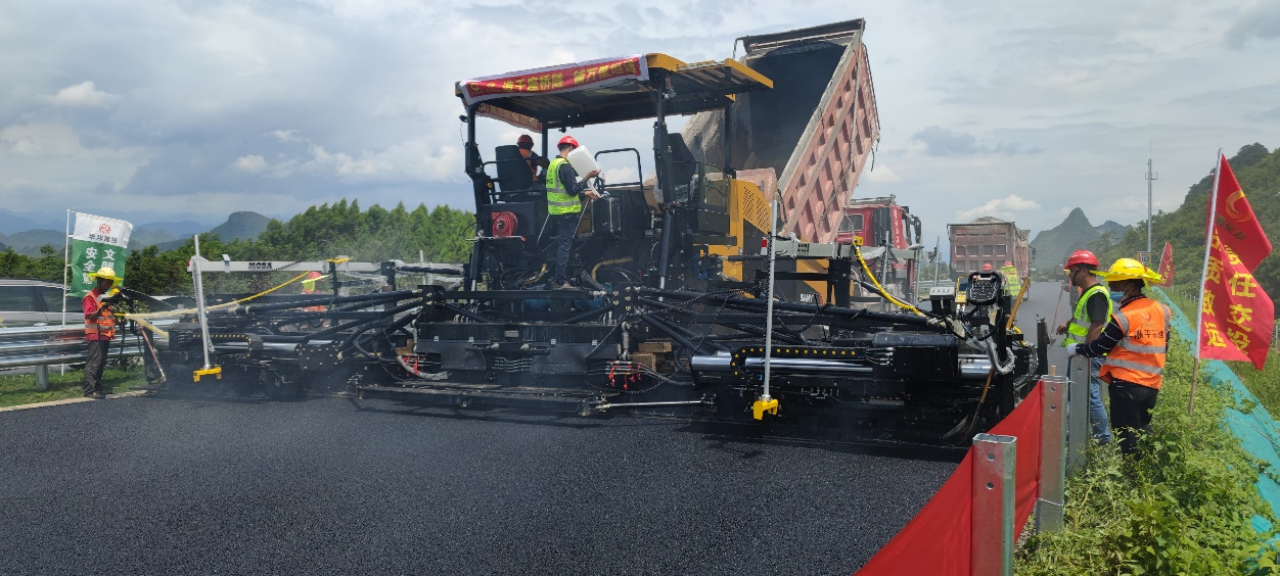
Modern highway construction requires specialized machinery to prepare materials, build stable pavement layers, and achieve durable road surfaces. Asphalt paving involves several coordinated processes, including aggregate preparation, bitumen heating, material mixing, transportation, spreading, and compaction. Each stage requires equipment capable of delivering consistent performance under demanding working conditions. Selecting suitable machinery helps contractors maintain construction schedules, improve pavement quality, and manage operating costs.
From asphalt production plants to paving and compaction machines, Road Asphalt Equipment supports the different stages of highway development and maintenance. The right combination of equipment depends on project size, construction methods, material specifications, and site conditions. Understanding the purpose of each machine makes it easier for contractors to plan efficient operations and choose suitable investments.
Understanding the Main Stages of Asphalt Road Construction
Before selecting machinery, it is useful to understand how asphalt pavement is constructed. Although individual projects may have different specifications, most follow a series of interconnected stages.
- Site preparation: The existing ground is cleared, graded, and prepared to provide a stable foundation.
- Base construction: Suitable aggregates are placed and compacted to create structural support.
- Material production: Aggregates and bitumen are processed and combined according to the required asphalt mixture design.
- Transportation: Hot asphalt mixture is delivered from the production facility to the construction site.
- Paving: The mixture is spread evenly across the prepared surface.
- Compaction: Rollers compact the asphalt to achieve the specified density and surface characteristics.
- Quality inspection: The completed pavement is checked for thickness, smoothness, density, and other project requirements.
Each stage relies on appropriate machinery to maintain consistency and minimize delays.
Essential Equipment Used in Highway Construction
1. Asphalt Mixing Plants
<AsyncImage query=”modern asphalt mixing plant industrial road construction facility” aspectRatio=”16:9″ width=”100%”/>
An asphalt mixing plant produces the hot asphalt mixture used in road construction. It combines aggregates, filler materials, and bitumen in carefully controlled proportions.
Modern plants may include aggregate feeders, drying drums, heating systems, screening equipment, storage silos, and mixing units. Their production capacity and configuration should match the project’s material requirements.
Important considerations when selecting an asphalt mixing plant include:
- Production capacity and operating efficiency
- Aggregate heating and drying performance
- Accurate material proportioning
- Dust collection and emissions control
- Bitumen storage and heating arrangements
- Ease of maintenance and access to replacement parts
A well-configured plant helps maintain consistent mixture quality throughout the production process.
2. Bitumen Heating and Storage Equipment
<AsyncImage query=”industrial bitumen asphalt heating storage tanks road construction equipment” aspectRatio=”16:9″ width=”100%”/>
Bitumen must be maintained at an appropriate temperature for storage, pumping, mixing, and application. Heating and storage systems help prevent the material from becoming too viscous for efficient handling.
Common equipment in this category includes bitumen storage tanks, heating tanks, melting kettles, and thermal oil heating systems. Their design should support reliable temperature regulation, effective insulation, and safe material transfer.
When evaluating these systems, contractors should consider storage capacity, heating technology, temperature controls, energy consumption, and maintenance requirements.
3. Asphalt Pavers
<AsyncImage query=”modern highway asphalt paving machine laying hot asphalt road construction” aspectRatio=”16:9″ width=”100%”/>
Asphalt pavers distribute hot mixture across the prepared road surface. They use a hopper to receive material and a conveyor system to deliver it to the screed, which spreads and levels the mixture.
A quality paver should provide consistent material distribution and allow operators to control paving width, thickness, and surface profile.
Important features include:
- Adjustable screed width
- Consistent material feeding
- Accurate paving controls
- Reliable traction and mobility
- Effective operator visibility
- Convenient maintenance access
Proper paver operation helps create a uniform layer for subsequent compaction.
4. Road Rollers and Compaction Machines
<AsyncImage query=”asphalt tandem vibratory road roller compacting newly paved highway” aspectRatio=”16:9″ width=”100%”/>
Compaction is essential for achieving the required pavement density and structural performance. Road rollers apply pressure and, in some cases, vibration to reduce air voids and improve the internal structure of the asphalt layer.
Common roller types include:
- Steel drum rollers: Used for initial, intermediate, and finishing compaction, depending on the machine and project requirements.
- Pneumatic tire rollers: Apply pressure through rubber tires and can help improve surface density.
- Tandem rollers: Feature two steel drums and are widely used for asphalt compaction.
The selection of rollers depends on asphalt mixture characteristics, layer thickness, compaction temperature, and project specifications.
5. Bitumen Spray Tankers
<AsyncImage query=”bitumen distributor spray tanker truck road surface treatment” aspectRatio=”16:9″ width=”100%”/>
Bitumen spray tankers distribute heated bituminous materials across prepared road surfaces. They are commonly used for prime coating, tack coating, and surface dressing.
Their main components include an insulated storage tank, heating system, pump, spray bar, and control equipment. Spray width, nozzle arrangement, pressure regulation, and vehicle speed all influence application accuracy.
Proper calibration helps maintain the specified application rate and reduces the risk of uneven coverage or material waste.
6. Road Milling Machines
<AsyncImage query=”cold milling asphalt road pavement milling machine highway maintenance” aspectRatio=”16:9″ width=”100%”/>
Road milling machines remove deteriorated asphalt layers before resurfacing or reconstruction. They use rotating cutting drums equipped with specialized teeth to break up and remove existing pavement.
Milling helps restore road profiles, remove damaged surfaces, and prepare the pavement for new asphalt layers.
When selecting milling equipment, consider cutting width, milling depth, machine power, material collection, and the size of the intended work area.
7. Asphalt Crack Sealing Equipment
<AsyncImage query=”asphalt crack sealing machine road maintenance hot pour bitumen” aspectRatio=”16:9″ width=”100%”/>
Crack sealing equipment prepares and applies suitable sealants to pavement cracks. Depending on the system, it may include a heating tank, material pump, delivery hose, and application wand.
Timely crack treatment can help limit water penetration and reduce the progression of certain pavement defects. The selected equipment must be compatible with the sealant and follow the specified application temperature and procedures.
How to Choose the Right Road Construction Machinery
Purchasing machinery requires a careful assessment of project requirements and long-term operating conditions. Equipment that performs well on a large highway project may not be the most practical choice for smaller maintenance operations.
Evaluate Project Size and Production Requirements
Estimate the expected construction volume, road dimensions, material demand, and project duration. These factors help determine the required production capacity, machine size, and number of units.
Consider Equipment Compatibility
Construction machinery must work together as part of a coordinated process. For example, asphalt plant production should match the transportation capacity and paving speed to prevent unnecessary delays or material cooling.
Compare Fuel and Energy Efficiency
Fuel consumption and electricity requirements can significantly influence operating expenses. Review equipment specifications, heating efficiency, engine performance, and maintenance needs before making a purchase.
Review Durability and Build Quality
Road construction machinery often operates in dusty environments, under heavy loads, and through repeated working cycles. Examine structural materials, hydraulic systems, electrical components, and the quality of major assemblies.
Check Maintenance and Technical Support
Reliable after-sales service is important for minimizing downtime. Consider spare-part availability, warranty coverage, maintenance accessibility, and the supplier’s ability to provide technical assistance.
The Importance of Automation and Modern Technology
Technology is improving the way construction machinery operates and how contractors monitor project performance. Modern equipment may include automated controls, digital temperature displays, electronic sensors, and integrated monitoring systems.
These features can provide several practical advantages:
- Improved precision: Automated controls help maintain consistent operating settings.
- Better monitoring: Digital systems make it easier to identify changes in temperature, pressure, and machine performance.
- Reduced operator workload: Some repetitive adjustments can be managed through integrated control systems.
- More efficient maintenance: Equipment monitoring can help identify developing problems before they cause major interruptions.
- Consistent production: Controlled processes support more predictable results across different construction stages.
Automation does not replace skilled operators or proper quality inspections. Instead, it provides additional tools for managing complex construction activities.
Safety Practices for Asphalt Construction Equipment
Road construction involves heavy machinery, hot materials, moving vehicles, and potentially hazardous working environments. Safety procedures must be established before equipment is operated.
Important practices include:
- Train operators to use each machine according to its operating manual.
- Inspect hydraulic lines, electrical connections, tires, brakes, and structural components regularly.
- Use appropriate protective clothing, gloves, safety footwear, and eye protection.
- Maintain safe distances between workers and moving machinery.
- Provide adequate ventilation around bitumen heating and processing equipment.
- Keep fire protection equipment accessible near heating systems.
- Use warning signs, barriers, and traffic management measures around work zones.
- Follow approved isolation procedures before maintenance or repair work.
Regular safety briefings and equipment inspections help reduce risks and support more organized construction operations.
Maintenance Strategies for Long-Term Equipment Performance
Preventive maintenance helps extend machinery service life and reduces the likelihood of unexpected breakdowns.
Daily inspections: Check fluid levels, visible damage, tire condition, safety devices, and unusual operating sounds before starting work.
Cleaning: Remove accumulated asphalt, dust, and debris from machine surfaces and relevant components using approved procedures.
Lubrication: Service bearings, joints, and other lubrication points according to the manufacturer’s schedule.
Hydraulic system checks: Inspect hoses, fittings, cylinders, and connections for leaks or deterioration.
Heating system maintenance: Check burners, heating elements, temperature sensors, and insulation on bitumen-related equipment.
Component replacement: Replace worn parts with suitable components that meet the equipment manufacturer’s specifications.
Maintenance documentation: Keep records of inspections, servicing, repairs, and replacement parts to support future maintenance planning.
Conclusion
Modern highway construction depends on a coordinated range of machinery for asphalt production, bitumen heating, material transportation, paving, compaction, and pavement maintenance. Each type of equipment contributes to a different stage of the construction process, making proper selection and integration essential for achieving reliable results.
By evaluating production requirements, technical specifications, energy efficiency, safety features, and maintenance support, contractors can build an equipment setup that meets their project needs. Combining suitable machinery with trained operators and consistent maintenance practices helps improve construction efficiency and supports durable road infrastructure.





Post Comment