What Is a Receipt Printer? A Complete Guide to Types, Features, and Applications
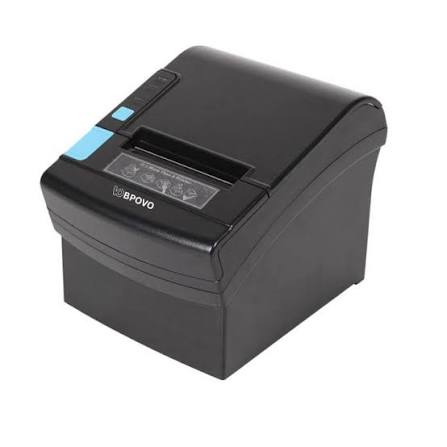
A receipt printer is an essential piece of equipment used by businesses to generate transaction records quickly and efficiently. From retail stores and supermarkets to restaurants, pharmacies, and hotels, these printers help businesses provide customers with printed proof of purchase. Unlike traditional office printers, receipt printers are specifically designed to produce short transaction slips containing information such as product names, prices, taxes, payment methods, and purchase dates.
As businesses continue to adopt digital payment systems and automated point-of-sale solutions, receipt printing technology has become increasingly important. Understanding the different types, features, and applications of a Receipt Printer can help business owners choose suitable equipment for their daily operations. This guide explores how these printers work, their advantages, and the factors to consider when selecting one.
What Is a Receipt Printer?
A receipt printer is a specialized printing device designed to produce transaction receipts for customers. It is commonly connected to a point-of-sale (POS) terminal, cash register, computer, or mobile device. When a transaction is completed, the connected system sends information to the printer, which converts the digital data into a physical receipt.
Most receipt printers are designed for high-speed printing, compact installation, and frequent daily use. They generally use narrower paper rolls than standard document printers, making them suitable for producing transaction records without wasting unnecessary paper.
Receipt printers are widely used in businesses where quick payment processing and accurate transaction documentation are important.
Different Types of Receipt Printers
Receipt printers are available in several technologies, each offering different advantages depending on business requirements.
1. Thermal Receipt Printers
Thermal receipt printers are among the most commonly used options in modern retail and hospitality environments. They use heat to create text and images on specially coated thermal paper.
These printers do not require traditional ink cartridges or toner, reducing routine maintenance requirements. They also operate quietly and can produce receipts at high speeds.
Thermal printers are particularly suitable for supermarkets, restaurants, convenience stores, and other businesses that process frequent transactions.
2. Impact or Dot Matrix Receipt Printers
Impact receipt printers use small pins that strike an ink ribbon against paper to produce printed characters. This technology is different from thermal printing because it relies on physical contact to create text.
One major advantage is their ability to print on multi-part paper, allowing businesses to produce duplicate or triplicate copies of transaction records.
They are commonly used in kitchens, certain hospitality environments, and businesses that require duplicate receipts.
3. Inkjet Receipt Printers
Inkjet receipt printers use liquid ink sprayed through tiny nozzles to create text and images. Although less common than thermal models in standard POS environments, they can produce detailed graphics and colored content.
Some businesses use inkjet technology when receipts require specific visual elements, logos, or customized printing.
However, inkjet printers generally require more consumables and maintenance than thermal alternatives.
Important Features of a Receipt Printer
Choosing the right receipt printer requires understanding the features that influence printing performance and business efficiency.
Printing Speed
Printing speed determines how quickly a device can produce transaction receipts. High-speed models are useful in busy retail environments where customers expect short waiting times.
Print Resolution
Print resolution affects the clarity of text, logos, barcodes, and other printed information. A suitable resolution helps ensure that receipts remain readable and scannable.
Connectivity Options
Modern receipt printers support different connection methods, including USB, Ethernet, Bluetooth, and Wi-Fi. USB connections are common in traditional POS setups, while wireless options provide greater flexibility for mobile payment environments.
Paper Width Compatibility
Receipt printers support different paper widths depending on their design. Common options include 58 mm and 80 mm models. Businesses should select a printer that accommodates their preferred receipt layout and transaction information.
Automatic Paper Cutting
Many modern thermal receipt printers include an automatic cutter that separates completed receipts from the paper roll. This feature improves convenience and helps maintain a consistent checkout process.
Durability and Reliability
Businesses that print hundreds or thousands of receipts daily need reliable equipment. A durable printer with a suitable printhead and cutter lifespan can help reduce maintenance interruptions and replacement costs.
Common Applications of Receipt Printers
Receipt printers support transaction processing across many industries. Their compact design and fast output make them useful in different commercial environments.
Retail Stores and Supermarkets
Retail businesses use receipt printers to provide customers with purchase details, product prices, discounts, taxes, and payment information. These records also help with returns, exchanges, and transaction verification.
Restaurants and Cafes
Restaurants use receipt printers for customer bills and kitchen order tickets. In kitchen environments, impact printers are sometimes preferred because they can operate in conditions where heat and grease may affect other printing technologies.
Hotels and Hospitality Businesses
Hotels use receipt printers to generate payment confirmations, service bills, and transaction summaries. They can also support front-desk operations by integrating with property management and POS systems.
Pharmacies and Healthcare Retail
Pharmacies use receipt printers to provide customers with payment records and purchase details. Depending on local requirements, these devices may also support printing additional transaction information.
Transportation and Ticketing
Transportation companies, parking facilities, and ticketing services use compact printers to generate tickets, payment confirmations, and other transaction documents.
Benefits of Using Modern Receipt Printers
Modern receipt printers offer several advantages that improve everyday business operations.
-
Faster transactions: High printing speeds help reduce checkout delays and improve customer service.
-
Lower maintenance: Thermal models eliminate the need for conventional ink or toner replacements.
-
Compact design: Their relatively small size makes them suitable for counters, kiosks, and mobile workstations.
-
Easy integration: Many models connect with POS systems and business management software.
-
Improved accuracy: Automated printing reduces errors associated with manually preparing transaction records.
-
Better organization: Printed receipts provide customers and businesses with convenient transaction documentation.
These benefits make receipt printers valuable tools for businesses that depend on consistent payment processing.
How to Choose the Right Receipt Printer
Selecting an appropriate receipt printer depends on transaction volume, operating conditions, available technology, and business requirements.
First, consider the printing technology. Thermal printers are generally suitable for businesses that prioritize speed, quiet operation, and low routine maintenance. Impact models may be more appropriate when duplicate copies are necessary.
Next, evaluate connectivity compatibility. Make sure the printer supports the POS hardware and software already used by the business. Checking supported operating systems and printer command languages can help prevent integration problems.
Paper width is another important consideration. Smaller printers may be suitable for simple transaction slips, while wider models can accommodate detailed receipts containing multiple products, promotional information, and barcodes.
Finally, consider durability, warranty coverage, replacement parts, and technical support. A printer designed for the expected daily workload can provide more dependable long-term performance.
Future Developments in Receipt Printing Technology
Receipt printing technology continues to evolve alongside digital commerce and automated business systems. Wireless connectivity, cloud-based POS platforms, and improved hardware integration are making printers more flexible and convenient.
Manufacturers are also focusing on energy-efficient designs, improved printing speeds, compact structures, and longer-lasting components. In addition, businesses are increasingly adopting digital receipts alongside printed copies to reduce paper consumption.
These developments are expected to make receipt printers more adaptable to changing retail and hospitality requirements.
Conclusion
Receipt printers play an important role in modern business operations by providing fast, accurate, and convenient transaction documentation. Understanding the differences between thermal, impact, and inkjet technologies helps businesses identify the most appropriate solution for their needs.
By evaluating printing speed, resolution, connectivity, paper compatibility, and durability, businesses can select equipment that supports efficient daily operations. As POS technology continues to advance, receipt printers will remain an important part of reliable payment processing and customer service.




Post Comment