How an Electrostatic Oil Mist Collector Improves Air Quality in Industrial Workshops
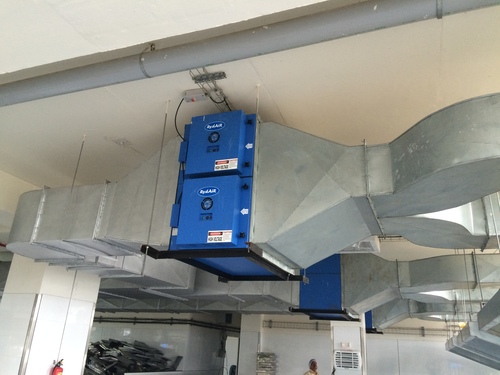
Industrial workshops that use CNC machines, lathes, milling equipment, grinding machines, and other metalworking systems often generate oil mist during production. This mist forms when cutting fluids, lubricants, and coolants are dispersed into the air through high-speed machining, spraying, and heat. If left uncontrolled, airborne oil droplets can reduce workplace air quality, settle on machinery and floors, and create uncomfortable working conditions for employees.
An effective mist collection system helps capture these airborne contaminants before they spread throughout the workshop. An Electrostatic Oil Mist Collector uses electrical charging and collection principles to remove fine oil droplets from contaminated air. By improving mist control at the source, this equipment can support cleaner production environments, protect machinery, and contribute to better workplace safety.
What Is an Electrostatic Oil Mist Collector?
An electrostatic oil mist collector is an industrial air filtration device designed to remove suspended oil and coolant droplets from workshop exhaust air. It uses an electrical field to charge airborne particles and attract them toward collection plates or other collecting surfaces.
Unlike conventional filtration systems that rely primarily on physical filter media, electrostatic collectors use electrically charged particles to separate contaminants from the airflow. This approach can be useful for capturing fine oil mist generated by machining and metalworking operations.
The equipment is commonly installed near individual machines or connected to centralized extraction systems, depending on workshop size, production layout, and mist generation levels.
How Does an Electrostatic Oil Mist Collector Work?
The collection process generally involves several stages that work together to separate oil droplets from contaminated air.
1. Contaminated Air Capture
Oil mist is first drawn from the machining area through an extraction hood, machine enclosure, or duct connection. Capturing the mist close to its source helps prevent it from dispersing into the wider workshop.
The effectiveness of this stage depends on enclosure design, extraction airflow, and the position of the collection inlet.
2. Particle Charging
As contaminated air passes through the electrostatic section, airborne oil droplets receive an electrical charge. The charging process prepares the droplets for separation from the moving air.
The system must be designed for the expected particle characteristics and airflow conditions to maintain reliable collection performance.
3. Electrostatic Collection
Charged droplets move toward oppositely charged or grounded collection surfaces under the influence of an electric field. The oil accumulates on these surfaces and can drain into a designated collection area.
This process allows the equipment to capture fine droplets that may remain suspended in the air for extended periods.
4. Cleaner Air Discharge
After passing through the collection section, treated air exits the unit. Depending on the system design and application, the air may be returned to the workshop or discharged through an appropriate exhaust arrangement.
Air recirculation should only be considered after evaluating the contaminants present and confirming that the system meets relevant indoor air quality and safety requirements.
Key Benefits of Using an Electrostatic Oil Mist Collector
Improved Workshop Air Quality
Airborne oil mist can accumulate in poorly ventilated production areas. Removing suspended droplets helps reduce visible mist and improve general workshop cleanliness.
Effective source capture and filtration can also reduce the spread of oil-related contaminants between workstations.
Reduced Oil Deposits on Machinery and Surfaces
Oil mist can settle on machine housings, electrical enclosures, floors, walls, and nearby equipment. Over time, these deposits may increase cleaning requirements and interfere with workshop maintenance.
An electrostatic collector helps reduce the amount of airborne oil available to settle on surrounding surfaces, supporting cleaner operating conditions.
Better Workplace Comfort
Persistent oil mist can create unpleasant odors, hazy visibility, and uncomfortable working conditions. Controlling emissions near their source can help create a more pleasant environment for machine operators and maintenance personnel.
However, oil mist collection should form part of a broader ventilation and occupational exposure control program.
Support for Machinery Maintenance
Oil deposits can accumulate around machine components and nearby electrical equipment. Reducing airborne mist may help limit contamination and simplify routine cleaning.
Cleaner surroundings can also make equipment inspections and maintenance activities easier to carry out.
Potential Reduction in Operating Costs
A suitable collection system can help reduce housekeeping requirements and limit the spread of coolant and lubricant residues. Some collected oil may also be suitable for recovery or reuse, depending on its condition and the facility’s procedures.
Actual cost savings depend on the machining process, system efficiency, maintenance schedule, and oil recovery arrangements.
Common Industrial Applications
Electrostatic oil mist collectors are used in workshops where machining operations generate airborne coolant or lubricant droplets.
Common applications include:
- CNC machining: Capturing oil mist produced during high-speed cutting and machining operations.
- Metal turning and milling: Controlling airborne coolant and lubricant droplets around lathes and milling machines.
- Grinding operations: Managing mist generated by grinding processes that use liquid coolants.
- Automotive component manufacturing: Improving air quality in production areas where metal parts are machined.
- Precision engineering: Controlling fine oil mist in workshops that require clean and stable operating conditions.
- Industrial production lines: Supporting centralized or machine-level mist extraction across multiple workstations.
The appropriate collector configuration depends on the type of machining fluid, mist concentration, droplet size, airflow, and operating environment.
Factors to Consider When Selecting an Electrostatic Oil Mist Collector
Choosing suitable equipment requires more than comparing advertised filtration performance. Manufacturers should evaluate the actual operating conditions and collection requirements.
Airflow Capacity
The collector must provide sufficient airflow to capture mist from the connected machine or enclosure. Undersized equipment may allow contaminants to escape, while excessive airflow can increase energy consumption and affect system performance.
Collection Efficiency
Different machining processes produce different droplet sizes and mist concentrations. Buyers should review the collector’s performance specifications under conditions comparable to their application.
Compatibility With Machining Fluids
The type of oil, coolant, and other substances used in production can influence collector selection. The manufacturer should confirm that the equipment is suitable for the expected contaminants and operating conditions.
Maintenance and Cleaning Requirements
Electrostatic collection surfaces can accumulate oil and require periodic cleaning. Before purchasing, businesses should evaluate access to collection components, cleaning procedures, oil drainage arrangements, and replacement-part availability.
Safety and Electrical Protection
Because electrostatic collectors use high-voltage components, suitable electrical protection and safety interlocks are important. Equipment should be designed and installed according to applicable electrical and industrial safety requirements.
Installation Configuration
Some workshops require individual collectors mounted directly on machines, while others benefit from a centralized extraction arrangement. The choice depends on machine placement, duct routing, production capacity, and available installation space.
Maintenance Practices for Consistent Performance
Regular maintenance helps preserve collection efficiency and extend equipment service life. Collection plates and other internal components should be inspected and cleaned according to the manufacturer’s recommendations.
Operators should also check the fan, motor, electrical connections, drainage system, and extraction ductwork. Blockages, oil accumulation, damaged components, or changes in airflow can reduce system effectiveness.
A planned maintenance schedule should include inspection of electrical safety features and verification that the collector continues to operate within its specified conditions. Staff should follow appropriate isolation procedures before opening or servicing equipment.
Conclusion
An electrostatic oil mist collector is a valuable solution for controlling airborne oil droplets in industrial workshops. By using electrical charging and collection surfaces, it can remove fine mist from contaminated air and help maintain cleaner production environments.
From improving workplace air quality to reducing oil deposits on machinery and supporting easier maintenance, effective mist collection offers several operational benefits. Selecting equipment with suitable airflow capacity, collection performance, fluid compatibility, and safety features helps manufacturers establish a reliable air quality management solution for machining and metalworking operations.






Post Comment