How Custom Tianjin Butterfly Valves Support Different Industrial Flow Control Needs
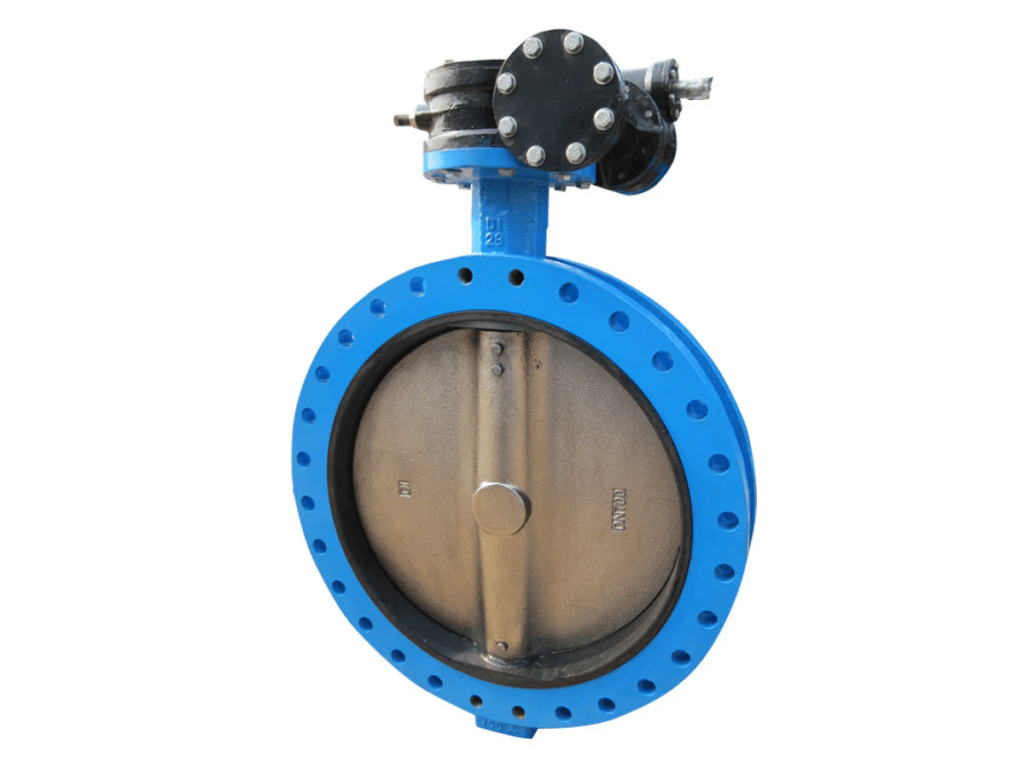
Industrial facilities rely on dependable valve systems to manage fluid movement, isolate pipeline sections, and maintain efficient operating conditions. However, different industries have different requirements for pressure resistance, temperature tolerance, material compatibility, and flow capacity. Standard valve configurations may not always satisfy these specialized needs. Customized butterfly valves offer a flexible solution by allowing manufacturers to adjust product specifications according to the operating environment and project requirements.
A Custom Tianjin Butterfly Valve is a butterfly valve manufactured in Tianjin according to specific technical requirements, application conditions, or customer drawings. It uses a rotating disc to regulate or isolate fluid flow, while customization can cover the valve body, disc, shaft, seat materials, dimensions, pressure ratings, and operating mechanisms. This flexibility makes custom butterfly valves suitable for industrial projects that require reliable performance and compatibility with particular pipeline systems.
1. Understanding the Design of a Butterfly Valve
A butterfly valve is a quarter-turn valve that controls fluid flow through a rotating disc positioned inside the valve body. The disc connects to a shaft, which transfers movement from a manual handle, gearbox, or actuator.
When the disc rotates approximately 90 degrees, the valve moves between its open and closed positions. In the open position, fluid passes through the valve. In the closed position, the disc blocks the flow passage and works with the seat to provide the required shutoff performance.
Butterfly valves are available in several configurations, including wafer, lug, and flanged designs. Each arrangement offers different connection and installation characteristics.
Their relatively compact construction makes them useful in many industrial systems where installation space, operating convenience, and efficient flow handling are important.
2. Why Industrial Projects Require Customized Butterfly Valves
Industrial pipeline systems do not all operate under identical conditions. A valve suitable for a municipal water network may not be appropriate for a chemical processing line or a high-temperature industrial application.
Customization helps address differences in:
- Operating pressure and temperature
- Fluid composition and chemical properties
- Pipeline diameter and connection standards
- Required leakage performance
- Corrosion and abrasion exposure
- Available installation space
- Manual or automated operating requirements
By defining these conditions before manufacturing, buyers can work with suppliers to develop valve configurations that better match their actual applications.
3. Customized Material Selection for Different Fluids
Material selection is one of the most important considerations when designing a butterfly valve. The body, disc, shaft, and seat must be suitable for the fluid and surrounding operating environment.
Valve Body Materials
Common body materials include cast iron, ductile iron, carbon steel, and stainless steel. Ductile iron is widely used in suitable water and general industrial applications, while stainless steel may be preferred where improved corrosion resistance is required.
Disc Materials
The disc remains in direct contact with the flowing medium. Its material should provide suitable mechanical strength and resistance to corrosion or wear.
Shaft Materials
The shaft transfers operating torque to the disc. Stainless steel and other suitable alloys may be selected depending on the mechanical and environmental requirements.
Seat Materials
Seat materials influence sealing performance and temperature compatibility. EPDM, NBR, and specialized elastomers may be considered for different applications, subject to fluid compatibility.
A customized material combination helps ensure that the valve components work together under the intended service conditions.
4. Adapting Pressure and Temperature Specifications
Pressure and temperature ratings directly influence valve selection. Every industrial application has operating limits that must be considered during the design and procurement process.
A custom butterfly valve can be specified according to the required pressure class and temperature range. However, the allowable operating pressure may vary with temperature and component materials.
Engineers should evaluate normal operating conditions as well as foreseeable pressure fluctuations and temperature variations.
For demanding applications, buyers should request pressure-temperature ratings and relevant test documentation. This helps confirm that the proposed valve is suitable for the intended pipeline service.
5. Choosing the Right Valve Connection Design
The connection configuration affects how a butterfly valve fits into a pipeline and how easily it can be installed or maintained.
Wafer Butterfly Valves
Wafer butterfly valves are designed to fit between compatible pipeline flanges. Their compact construction makes them useful in installations where space is limited.
Lug Butterfly Valves
Lug-style valves use threaded lugs around the body to support the connection arrangement. Depending on the design, they may be suitable for certain dead-end or sectional isolation applications.
Flanged Butterfly Valves
Flanged butterfly valves have integrated flange connections and are commonly used where the pipeline arrangement requires this type of connection.
When requesting customization, buyers should confirm nominal diameter, face-to-face dimensions, flange standards, pressure class, and installation requirements.
6. Different Operating Mechanisms for Industrial Applications
Custom butterfly valves can be equipped with different operating mechanisms depending on valve size, operating frequency, and automation requirements.
Manual Lever Operation
Lever-operated valves are often suitable for smaller sizes and applications requiring simple manual control. They provide straightforward quarter-turn operation.
Gearbox Operation
A gearbox can reduce the manual effort required to operate larger valves. It also provides controlled movement during opening and closing.
Electric Actuation
Electric actuators support remote operation and integration with automated control systems. They can be useful in facilities where centralized monitoring and valve control are important.
Pneumatic Actuation
Pneumatic actuators use compressed air to operate the valve. They are frequently considered in industrial facilities with existing pneumatic infrastructure.
Selecting an operating mechanism requires checking the valve’s operating torque, actuator capacity, available power or air supply, and environmental conditions.
7. Industrial Applications of Custom Tianjin Butterfly Valves
Customized butterfly valves can support different industries because their configurations can be adapted to specific pipeline and process requirements.
Water Supply and Treatment
Water distribution systems use butterfly valves in pumping stations, treatment plants, storage facilities, and transmission pipelines. Appropriate body materials and sealing arrangements help support dependable operation.
HVAC Systems
Heating, ventilation, and air-conditioning systems use butterfly valves in chilled-water and cooling-water circuits. Their compact design can be advantageous in mechanical rooms and building service installations.
Chemical Processing
Chemical facilities require careful material selection to ensure compatibility with process fluids. Customized body, disc, shaft, and seat materials can help address different chemical environments.
Oil and Gas Industry
Butterfly valves are used in selected oil and gas applications for isolation and flow control. Buyers must verify pressure ratings, material specifications, sealing performance, and applicable industry standards.
Power Generation
Power plants use butterfly valves in suitable cooling-water and auxiliary systems. Customized dimensions and operating mechanisms can help accommodate project-specific layouts.
Manufacturing Facilities
Manufacturing plants use valves throughout utility and process pipelines. Customized configurations can improve compatibility with existing equipment and production requirements.
8. Benefits of Choosing Customized Butterfly Valves
Customized butterfly valves offer several practical advantages for industrial buyers.
Better application compatibility: Material combinations and technical specifications can be selected according to the actual fluid and operating conditions.
Flexible installation: Different body and connection configurations help accommodate various pipeline layouts.
Convenient operation: Manual, gearbox, electric, and pneumatic mechanisms provide flexibility for different operating requirements.
Improved equipment integration: Customized dimensions and mounting arrangements can help match existing systems.
Consistent project specifications: Manufacturers can produce multiple valves according to agreed drawings and technical requirements, supporting consistency across project orders.
These benefits depend on accurate specifications, suitable engineering, and effective manufacturing quality control.
9. Important Factors When Selecting a Custom Butterfly Valve
Before placing an order, buyers should evaluate several technical and commercial considerations.
Fluid Characteristics
Identify the medium being transported, including its chemical composition, temperature, viscosity, and potential corrosive or abrasive properties.
Operating Conditions
Confirm normal and maximum pressure, temperature range, and any expected fluctuations.
Valve Dimensions
Check nominal diameter, face-to-face dimensions, connection standards, and installation clearance.
Sealing Requirements
Define the required shutoff performance and select a seat material suitable for the intended application.
Manufacturing Quality
Review the manufacturer’s production processes, inspection procedures, and testing capabilities.
Documentation and Standards
Confirm which technical drawings, material certificates, pressure test reports, and compliance documents are required.
A detailed specification helps manufacturers understand the application and reduces the likelihood of ordering unsuitable equipment.
10. How to Work with a Custom Butterfly Valve Manufacturer
Successful customization requires clear communication between the buyer and manufacturer. Industrial buyers should provide technical information as early as possible so that the proposed design can be evaluated before production begins.
Useful information includes pipeline drawings, operating conditions, required materials, connection dimensions, and actuation preferences.
Buyers should also ask about:
- Available customization options
- Manufacturing capacity and production lead times
- Material sourcing and inspection procedures
- Pressure and leakage testing
- Drawing approval processes
- Packaging and delivery arrangements
- Warranty and after-sales support
Reviewing drawings before mass production is particularly important for customized orders. It allows engineering teams to verify dimensions and technical details before the valves are manufactured.
11. Why Quality Control Matters for Customized Valves
Customization alone does not guarantee dependable valve performance. The manufacturing process must ensure that the finished product meets the agreed technical specifications.
Quality control should cover incoming materials, machining accuracy, component assembly, pressure testing, leakage inspection, and final dimensional checks.
For industrial projects, buyers should establish inspection and documentation requirements before production starts. Depending on the application, this may include material certificates, test reports, and traceability information.
Consistent quality procedures help reduce production variations and support reliable integration into industrial pipeline systems.
Conclusion
Custom Tianjin butterfly valves provide flexible solutions for industrial flow control requirements that cannot always be met by standard valve configurations. Their quarter-turn operating mechanism, compact construction, and customizable materials, dimensions, sealing arrangements, and actuators make them suitable for applications across water treatment, HVAC, chemical processing, oil and gas, power generation, and manufacturing.
Selecting the right valve requires careful consideration of fluid characteristics, pressure and temperature conditions, connection standards, operating mechanisms, and manufacturing quality. By preparing detailed specifications and working closely with an experienced manufacturer, industrial buyers can source customized butterfly valves that support reliable operation, efficient installation, and long-term pipeline performance.





Post Comment