Canned Food Retort Autoclaves: How Thermal Processing Supports Shelf-Stable Products
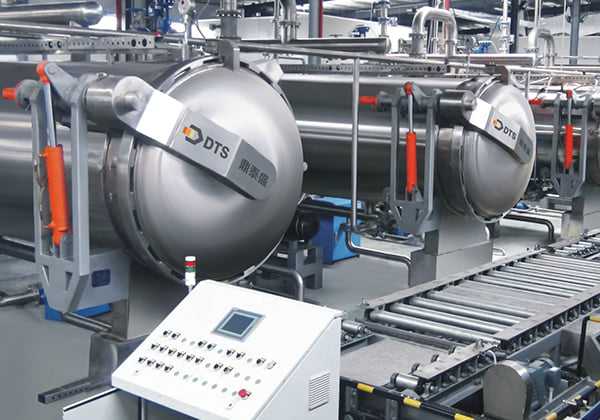
Canned food manufacturing depends on effective preservation methods that protect products from microbial spoilage while maintaining acceptable quality during storage. Thermal processing is one of the most widely used approaches because it applies controlled heat to sealed food containers to achieve the required level of microbial inactivation. For commercial manufacturers, selecting suitable sterilization equipment is essential for producing safe, consistent, and shelf-stable products.
A Canned Food Retort Autoclave is an industrial pressure-processing system designed to apply controlled temperature and pressure conditions to sealed food containers. By following a scientifically established thermal process, the equipment helps manufacturers produce commercially sterile foods that can be stored under specified conditions. Understanding how retort autoclaves operate and how they support food preservation can help manufacturers improve production planning and product quality.
Understanding Canned Food Retort Autoclaves
A retort autoclave is a pressure vessel used to thermally process sealed food packages. It exposes products to controlled heating conditions for a specified period, followed by controlled cooling.
The objective is to achieve commercial sterility, which means controlling microorganisms capable of growing in the food under its intended storage conditions. The required process depends on the food’s characteristics, packaging, and storage requirements.
Retort autoclaves are commonly used for:
- Canned vegetables and fruits
- Meat and poultry products
- Canned seafood
- Soups and broths
- Ready-to-eat meals
- Sauces and prepared foods
- Other compatible shelf-stable packaged products
Different retort configurations are available to accommodate various products and packaging formats.
What Makes Thermal Processing Important for Shelf-Stable Foods?
Shelf-stable food products are designed to remain safe and suitable for consumption under specified storage conditions without requiring continuous refrigeration.
For low-acid canned foods, thermal processing is particularly important because certain bacterial spores can survive ordinary cooking temperatures. A properly established commercial sterilization process is designed to control relevant microorganisms and prevent their growth during storage.
Thermal processing supports several important objectives:
Microbial Control
Heat treatment reduces or inactivates microorganisms according to the product’s required safety process.
Extended Storage Potential
Commercially sterile products can be stored for extended periods when packaging remains intact and the specified storage conditions are maintained.
Consistent Product Quality
Controlled heating and cooling help manufacturers manage changes in texture, color, flavor, and other product characteristics.
Packaging Protection
Appropriate pressure management helps protect cans and other compatible containers from deformation or damage during processing.
Main Components of a Canned Food Retort Autoclave
A commercial retort autoclave consists of several integrated components that work together to control the thermal process.
1. Pressure Chamber
The pressure chamber is the main vessel where food containers are processed.
It must be designed to withstand the operating temperature and pressure required for its intended application. Chamber dimensions also determine the available batch capacity and loading arrangement.
2. Heating System
The heating system supplies the thermal energy needed to bring products to the required processing conditions.
Depending on the retort configuration, heating may use saturated steam, heated water, water spray, or a steam-air mixture.
3. Temperature Sensors
Temperature sensors monitor chamber conditions during heating and sterilization.
Accurate measurement is essential for controlling the process and documenting that the required operating conditions have been achieved.
4. Pressure Control System
Pressure instruments and control components help maintain appropriate chamber pressure throughout heating and cooling.
This is especially important for packaging formats that may be sensitive to pressure differences.
5. Product Baskets and Loading Equipment
Baskets, racks, or other loading arrangements hold the containers inside the chamber.
Their design should support the circulation of the heating medium and match the loading configuration established during process validation.
6. Cooling System
After the sterilization holding stage, the cooling system reduces product temperature under controlled conditions.
Cooling performance affects total cycle duration and helps maintain container integrity.
7. Programmable Control Panel
Modern retorts often include automated control systems for managing temperature, pressure, timing, and processing stages.
Depending on the configuration, these systems may also provide recipe management, alarms, and batch records.
How a Retort Autoclave Processes Canned Food
Commercial retort processing generally follows a sequence of controlled stages.
Stage 1: Filling and Sealing
Food is prepared according to the product specification, filled into suitable containers, and sealed.
Before processing, manufacturers should verify that containers have appropriate fill weights, headspace, and closure integrity.
Stage 2: Loading the Retort
Sealed containers are arranged in baskets or racks and transferred into the retort chamber.
The loading pattern must allow the heating medium to circulate effectively around the products.
Stage 3: Chamber Preparation
The chamber is closed and secured.
Depending on the retort design, preparation may include air removal, water circulation setup, or other steps required before heating begins.
Stage 4: Heating
The heating system raises the chamber temperature according to the established processing schedule.
The heating medium transfers thermal energy to the containers and then into the food.
Stage 5: Sterilization Holding Period
The retort maintains the required processing conditions for the specified period.
The appropriate time and temperature depend on product formulation, container dimensions, initial product temperature, and heat penetration characteristics.
Stage 6: Cooling
After the holding period, the system cools the containers under controlled conditions.
Pressure management is important to reduce the risk of container deformation or closure damage.
Stage 7: Unloading and Inspection
Once cooling is complete and the chamber is safe to open, the processed products are removed.
Containers can then be inspected for leakage, damage, and other packaging defects before moving to subsequent production stages.
Different Types of Retort Autoclaves Used in Canned Food Production
Retort systems are available in different designs, each using a particular heating and circulation method.
Steam Retorts
Steam retorts use saturated steam as the heating medium.
They are commonly used for compatible metal containers and other packaging formats designed for steam processing. Effective air removal and steam distribution are essential for consistent operation.
Water Spray Retorts
Water spray systems circulate heated water through spray nozzles to distribute heat throughout the chamber.
They can be suitable for different packaging formats when the system is properly configured and validated.
Water Immersion Retorts
Water immersion systems process products using heated water surrounding the containers.
They are used in applications where full water contact is appropriate for the product and packaging.
Steam-Air Retorts
Steam-air retorts combine steam heating with controlled air pressure.
This arrangement can support processing applications involving flexible or semi-rigid packaging that requires overpressure management.
The correct system should be selected according to product characteristics, packaging compatibility, and validated processing requirements.
Factors That Influence Retort Processing Performance
Consistent sterilization depends on several interacting variables.
Product Composition
Food formulation affects heat transfer and penetration.
Liquid products may heat differently from thick sauces, meat products, or solid vegetables. Changes in ingredients or consistency can influence processing requirements.
Container Size and Shape
Larger containers may require different heating conditions from smaller ones because heat must travel farther to reach the slowest-heating location.
Container geometry and material also affect thermal behavior.
Fill Weight and Headspace
The quantity of food inside the container and the remaining headspace can influence heat penetration and internal pressure.
Consistent filling practices help maintain predictable processing conditions.
Initial Product Temperature
The temperature of the food before retorting affects the amount of heat needed to achieve the scheduled process.
Manufacturers should monitor initial product temperatures and follow the validated operating procedure.
Loading Configuration
The arrangement of containers inside the retort affects the movement of steam, air, or heated water.
The production loading pattern should match the configuration evaluated during process validation.
The Role of Pressure Management
Pressure management is an important part of retort operation because heating and cooling can cause pressure differences between the inside and outside of containers.
For metal cans, pressure control helps maintain suitable processing conditions and reduce the risk of packaging problems.
For flexible pouches and semi-rigid containers, controlled overpressure may be necessary to protect packaging from expansion or deformation.
Pressure settings should follow the equipment manufacturer’s instructions and the validated processing schedule. Operators should not adjust pressure conditions without appropriate technical approval.
Automation and Monitoring in Modern Retort Systems
Automation helps manufacturers manage repeatable processing cycles and monitor equipment conditions.
Programmable Processing Recipes
Different products may require different thermal schedules.
Programmable controls allow authorized operators to select established recipes for specific product and packaging combinations.
Real-Time Process Monitoring
Temperature and pressure sensors provide operating information throughout the cycle.
Alarm functions can alert operators when conditions move outside established limits.
Batch Record Management
Automated systems may record:
- Batch identification
- Processing start and finish times
- Temperature readings
- Pressure readings
- Heating and cooling stages
- Alarm events
- Operator information
These records support traceability, quality assurance, and process review.
Food Safety Validation and Quality Assurance
A retort autoclave must be evaluated according to its ability to deliver the required thermal treatment to the actual product load.
Simply reaching the target chamber temperature does not establish that every container has received sufficient processing.
Two important evaluations help establish process reliability.
Temperature distribution testing examines temperature variations throughout the retort chamber under defined loading and operating conditions.
Heat penetration testing determines how heat moves into the food and identifies the slowest-heating location within the container.
These studies support the development of a scientifically established processing schedule.
For low-acid shelf-stable canned foods, qualified thermal processing specialists should establish scheduled processes in accordance with applicable regulations. Changes to formulation, container size, fill weight, or loading arrangements may require a review or revalidation.
Maintenance Practices for Retort Autoclaves
Regular maintenance helps preserve equipment performance and reduce unexpected production interruptions.
Important activities include:
- Inspecting the pressure chamber: Check for corrosion, damage, and other structural concerns.
- Checking valves and seals: Identify leakage, wear, or improper operation.
- Maintaining pumps and motors: Verify circulation performance and mechanical condition.
- Inspecting heating components: Check steam connections, heat exchangers, and associated controls.
- Calibrating sensors: Confirm the accuracy of temperature and pressure instruments.
- Cleaning circulation systems: Remove deposits that may restrict water flow.
- Testing safety devices: Follow manufacturer procedures and applicable safety requirements.
- Reviewing cycle records: Identify recurring alarms or unusual process variations.
A preventive maintenance program should be based on equipment specifications, operating conditions, and relevant regulatory requirements.
Common Challenges in Canned Food Retort Processing
Manufacturers may encounter several problems that affect processing consistency.
Uneven Heat Distribution
Poor circulation, incorrect loading, or unsuitable equipment configuration can create temperature differences within the chamber.
Inadequate Heat Penetration
Product formulation, container dimensions, and initial temperature can affect how quickly heat reaches the slowest-heating location.
Incorrect Pressure Conditions
Unsuitable pressure management can contribute to container deformation or closure problems.
Inaccurate Instruments
Uncalibrated sensors may provide unreliable measurements, affecting process monitoring and documentation.
Inconsistent Packaging
Variations in fill weight, headspace, sealing quality, and container dimensions can influence thermal processing performance.
Addressing these challenges requires suitable equipment, consistent production practices, routine maintenance, and qualified process oversight.
How Retort Processing Supports Commercial Production
Retort autoclaves help manufacturers produce packaged foods at commercial scale by combining controlled heating, pressure management, and cooling in a structured batch process.
When integrated properly into a production facility, they can support:
- Repeatable batch processing
- Organized production scheduling
- Consistent product treatment
- Packaging integrity management
- Documented processing records
- Commercial production of shelf-stable foods
The equipment’s actual production capacity depends on chamber dimensions, loading arrangements, cycle duration, and the requirements of the validated process.
Conclusion
Canned food retort autoclaves are essential equipment for manufacturers producing commercially sterile, shelf-stable packaged foods. Through controlled thermal processing, they help manage microorganisms that could otherwise cause spoilage or food safety concerns during storage.
Reliable results depend on selecting the right retort configuration, maintaining accurate temperature and pressure controls, using compatible packaging, and validating the process for each product. Combined with preventive maintenance, trained operators, and effective quality assurance, retort technology supports consistent and dependable canned food manufacturing.





Post Comment