How Low Noise Dry Type Transformers Improve Performance in Noise-Sensitive Environments
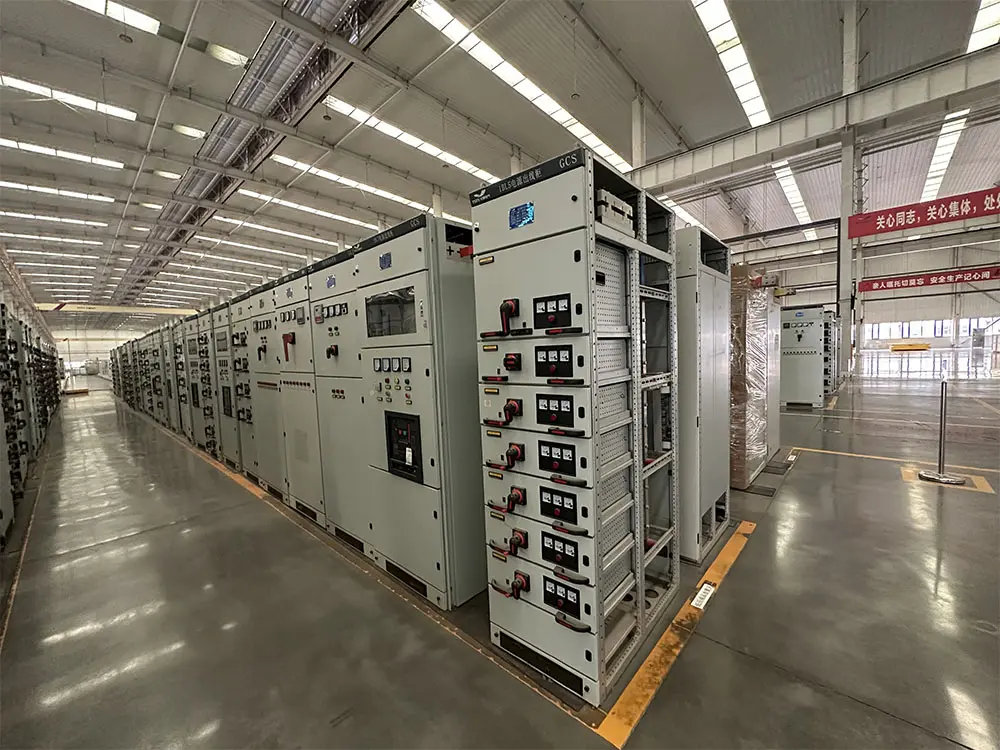
Electrical transformers are essential for supplying reliable power to commercial buildings, industrial facilities, hospitals, and public infrastructure. However, transformer operation can produce audible noise that affects the surrounding environment. In locations where quiet conditions are important, such as offices, healthcare facilities, educational institutions, and residential developments, controlling this noise becomes an important part of electrical equipment selection.
A Low Noise Dry Type Transformer is designed to reduce operating sound while providing dependable voltage transformation without using insulating oil. Its construction, core design, winding arrangement, and cooling configuration can help limit noise and support installation in environments where acoustic comfort matters. Understanding how these transformers work and where they are most useful can help engineers choose suitable equipment for modern electrical systems.
What Is a Low Noise Dry Type Transformer?
A low noise dry type transformer is an electrical transformer designed to minimize audible operating noise while transferring electrical energy between circuits through electromagnetic induction.
Unlike oil-immersed transformers, dry type units use air and solid insulation materials rather than liquid insulation. Their windings may use cast resin or other insulation systems, depending on the design.
The term “low noise” refers to design measures intended to reduce sound generated during normal transformer operation. These measures may include improved magnetic core construction, careful winding assembly, vibration control, and optimized cooling arrangements.
Such transformers are commonly installed in buildings and facilities where indoor equipment placement or nearby occupants make noise management important.
Why Transformer Noise Matters in Sensitive Environments
Transformers can produce continuous humming and vibration during operation. Although this sound may be acceptable in dedicated electrical rooms or industrial areas, it can become disruptive when equipment is installed close to occupied spaces.
Noise management is especially relevant in environments where concentration, communication, rest, or patient comfort is important.
Healthcare Facilities
Hospitals and medical centers require dependable electrical systems while maintaining comfortable conditions for patients and staff.
Transformers installed near treatment areas, offices, or other occupied spaces should be selected with suitable acoustic performance and installation arrangements.
Offices and Commercial Buildings
In offices, conference rooms, hotels, and retail environments, persistent equipment noise can affect comfort and the overall indoor experience.
Low-noise transformer designs can help reduce this disturbance when installed and maintained correctly.
Educational Institutions
Schools, colleges, libraries, and research facilities benefit from quieter surroundings that support learning and concentration.
Appropriately selected electrical equipment can help limit background noise in nearby occupied areas.
Residential Developments
Transformers installed within or near apartment buildings and residential complexes may affect occupants if noise travels through walls, floors, or structural connections.
Acoustic performance should therefore be considered during equipment specification and room design.
How Dry Type Transformers Generate Noise
Understanding the sources of transformer noise helps explain how manufacturers reduce it.
Most transformer operating noise comes from magnetic effects within the core, although winding vibration and cooling equipment can also contribute.
Magnetostriction in the Core
Magnetostriction is the physical expansion and contraction of magnetic core material as the magnetic field changes during alternating current operation.
This repeated movement creates vibrations that can produce the familiar humming sound associated with transformers.
The level of noise depends on factors such as core material, magnetic flux density, construction quality, and operating conditions.
Winding Vibration
Electrical current flowing through transformer windings creates electromagnetic forces.
These forces can cause mechanical movement, particularly under certain loading conditions. If vibration is transferred to the enclosure or supporting structure, it may increase audible noise.
Cooling Equipment Noise
Some dry type transformers use fans to improve heat dissipation.
Although fans help maintain suitable operating temperatures, they can introduce additional sound during operation.
The cooling arrangement and fan selection therefore influence the overall acoustic performance of the installation.
Key Features of Low Noise Dry Type Transformers
Low-noise performance depends on several design elements working together.
Optimized Magnetic Core
Core construction has a major influence on transformer sound levels.
Manufacturers may use high-quality electrical steel, suitable core geometry, careful lamination assembly, and controlled magnetic flux density to reduce magnetostrictive vibration.
Improved Winding Construction
Proper winding design and mechanical support help limit movement caused by electromagnetic forces.
Secure assembly can reduce vibration and help prevent unnecessary mechanical stress during normal operation.
Vibration Control
Suitable mounting arrangements, vibration isolation components, and structural design can reduce the transfer of mechanical vibration to surrounding floors and walls.
These measures are particularly important for transformers installed inside buildings.
Efficient Cooling Design
Cooling systems must remove heat without introducing unnecessary acoustic disturbance.
Depending on the transformer rating and installation conditions, natural air cooling may be suitable. Larger units or demanding operating conditions may require forced-air cooling.
Enclosure and Acoustic Considerations
Some installations use acoustic barriers, specially designed enclosures, or sound-absorbing building treatments to reduce noise reaching occupied areas.
The enclosure must still provide adequate ventilation, electrical clearances, and access for maintenance.
Benefits of Low Noise Dry Type Transformers
Choosing a transformer with suitable acoustic characteristics can provide several advantages in noise-sensitive applications.
Improved Acoustic Comfort
Reduced operating noise helps create a more comfortable environment for people working, studying, receiving treatment, or living near electrical equipment.
This is particularly valuable when transformers are installed within occupied buildings.
Suitable for Indoor Installations
Dry type transformers do not require insulating oil, making them suitable for many indoor applications where liquid containment and associated fire protection considerations are important.
Their installation must still meet applicable electrical, ventilation, and fire safety requirements.
Reduced Environmental Concerns Associated With Oil
Because dry type units do not use transformer oil, there is no risk of insulating oil leakage from the transformer itself.
This can simplify certain aspects of environmental management, although the equipment still requires proper handling and maintenance.
Reliable Electrical Performance
Low-noise design does not replace the basic electrical requirements of a transformer.
A properly specified unit can provide the required voltage transformation, insulation performance, and power capacity while meeting the project’s acoustic objectives.
Flexible Installation Options
Dry type transformers are available in different configurations and ratings.
This allows engineers to consider equipment for commercial buildings, healthcare facilities, industrial sites, and other locations where indoor installation and sound management are important.
Common Applications of Low Noise Dry Type Transformers
Low-noise dry type transformers are useful in facilities where both electrical reliability and acoustic comfort are important.
Hospitals and Medical Centers
Healthcare facilities rely on transformers to supply medical equipment, lighting, ventilation, and essential building systems.
Low-noise units can help reduce background sound in areas near electrical rooms, subject to appropriate installation planning.
Office Buildings
Modern offices contain extensive electrical infrastructure supporting computers, elevators, lighting, and air conditioning.
Low-noise transformers can help maintain a more comfortable workplace when equipment is located near occupied areas.
Hotels and Hospitality Facilities
Hotels and resorts aim to provide quiet indoor spaces for guests.
Selecting transformers with suitable acoustic performance can help reduce unwanted noise near guest rooms, corridors, and service areas.
Schools and Universities
Educational buildings require dependable electricity for lighting, laboratory equipment, communication systems, and other facilities.
Quieter transformer installations can support more comfortable learning environments.
Data Centers
Data centers require reliable electrical infrastructure to support servers, cooling equipment, and backup power systems.
Dry type transformers may be selected for particular indoor applications where their electrical, thermal, fire safety, and acoustic characteristics meet project requirements.
Residential and Mixed-Use Buildings
Apartment complexes and mixed-use developments often place electrical equipment near residential or commercial spaces.
Low-noise transformer designs can help limit disturbance when combined with appropriate room layouts and vibration isolation.
Low Noise Dry Type Transformers vs. Conventional Transformers
Different transformer technologies offer different acoustic, insulation, and installation characteristics.
| Feature | Low Noise Dry Type Transformer | Conventional Oil-Immersed Transformer |
|---|---|---|
| Insulation system | Solid insulation and air | Insulating oil and solid insulation |
| Cooling | Natural or forced air | Oil-based cooling with air heat dissipation |
| Noise control | Designed to reduce operating sound | Depends on core design, cooling system, and installation |
| Oil leakage | No insulating oil in the transformer | Requires oil containment and leak management |
| Indoor applications | Commonly suitable with proper design | Depends on installation and fire safety requirements |
| Maintenance | Requires electrical and mechanical inspections | Also requires oil condition testing and monitoring |
It is important to note that not every dry type transformer is quieter than every oil-immersed transformer. Actual sound levels depend on equipment design, rating, loading, cooling arrangements, and installation conditions.
Important Factors When Selecting a Low Noise Dry Type Transformer
Selecting the right transformer involves balancing electrical requirements with acoustic performance.
Rated Power Capacity
The transformer must have sufficient capacity for the connected load.
Engineers should consider maximum demand, load characteristics, future expansion, and appropriate design margins.
Voltage Ratings
Primary and secondary voltage levels must match the electrical network and connected equipment.
The transformer should also meet the required insulation level for its voltage class.
Acoustic Performance
Buyers should request manufacturer sound-level data and confirm the measurement conditions.
Sound pressure levels measured at a particular distance can differ from sound power levels, so specifications should use consistent and clearly defined methods.
Cooling Requirements
Natural air cooling may help reduce noise from mechanical equipment, but the required thermal performance must always be maintained.
If forced-air cooling is necessary, fan noise should be included in the acoustic assessment.
Installation Environment
Room dimensions, wall construction, ventilation openings, floor structure, and nearby occupied spaces can all influence the sound experienced outside the transformer room.
Applicable Standards
Equipment should comply with relevant transformer standards, including applicable parts of the IEC 60076 series.
Acoustic testing and acceptance requirements should be clearly defined in the technical specification.
Installation Practices That Help Reduce Transformer Noise
Even a low-noise transformer can become disruptive if installed without proper attention to vibration and room acoustics.
Several practical measures can improve the final installation.
Use suitable foundations: A stable and properly designed foundation helps prevent unnecessary movement and resonance.
Install vibration isolation: Appropriate anti-vibration mounts can reduce the transfer of mechanical vibration into the building structure.
Plan equipment location carefully: Where possible, transformer rooms should be positioned away from quiet occupied areas.
Provide suitable ventilation: Airflow openings should be designed to support cooling without creating unnecessary sound transmission paths.
Avoid rigid vibration pathways: Electrical connections, supports, and nearby structures should be arranged to minimize unwanted vibration transfer.
Consider acoustic treatments: Suitable sound-absorbing materials or barriers may help control noise, provided they do not compromise ventilation or fire safety.
Maintenance Practices for Long-Term Performance
Regular maintenance helps preserve both the electrical performance and acoustic characteristics of a dry type transformer.
Important maintenance activities include:
- Inspecting windings and insulation for dust, moisture, or signs of deterioration.
- Checking electrical connections for looseness or overheating.
- Examining mounting points and vibration isolation components.
- Cleaning ventilation openings and cooling surfaces.
- Inspecting cooling fans and associated controls where fitted.
- Monitoring operating temperature and electrical loading.
- Investigating unusual humming, rattling, or vibration.
- Following manufacturer maintenance instructions and applicable safety procedures.
A sudden increase in operating noise may indicate loose components, changes in loading, mounting problems, or another developing issue. Qualified technicians should investigate abnormal sounds rather than treating them as a normal operating condition.
Challenges and Considerations
Low-noise transformer selection involves more than choosing equipment with a lower published sound rating.
A transformer must still meet electrical capacity, insulation, temperature-rise, short-circuit, and safety requirements. Reducing noise should never compromise cooling performance or equipment reliability.
Building acoustics can also affect the final result. Sound may travel through walls, floors, ventilation ducts, and structural connections, meaning that transformer specifications alone cannot guarantee a quiet surrounding environment.
For this reason, engineers should assess equipment noise together with room design, mounting arrangements, ventilation, and nearby occupancy.
Conclusion
Low noise dry type transformers provide a practical solution for electrical installations where dependable power and acoustic comfort are both important. Their solid insulation systems, absence of transformer oil, and available noise-reduction design features make them suitable for many healthcare, commercial, educational, residential, and industrial applications.
Their overall performance depends on careful equipment selection, effective vibration control, suitable cooling, and proper installation. By considering acoustic requirements alongside electrical ratings and maintenance needs, project developers can create power distribution systems that support reliable operation while minimizing unnecessary noise in sensitive environments.




Post Comment