Huge Dinosaur Displays: Planning Oversized Prehistoric Attractions for Public Spaces
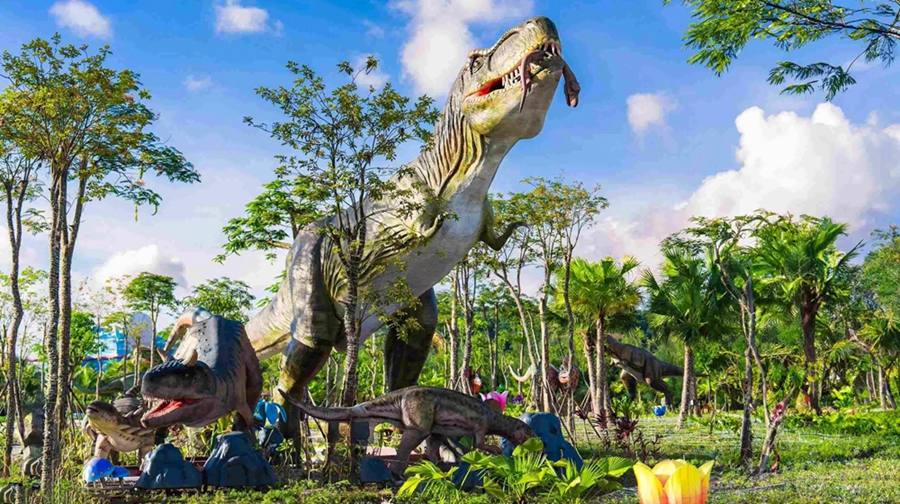
Huge dinosaur displays can transform public spaces into exciting destinations that capture attention and encourage visitors to explore. From towering Tyrannosaurus rex figures in theme parks to impressive prehistoric installations in shopping centers, museums, and outdoor exhibitions, oversized dinosaur attractions combine visual impact with imaginative storytelling. Their scale makes them natural focal points, helping venues create memorable environments for families, tourists, and dinosaur enthusiasts.
Planning a successful installation involves much more than selecting an impressive creature design. When considering a Huge Dinosaur display, project planners must evaluate dimensions, materials, structural support, surface finishes, transportation, installation, and long-term maintenance. Careful preparation ensures that the attraction suits its surroundings while meeting practical requirements for public use.
Why Oversized Dinosaur Displays Attract Public Attention
Dinosaurs have remained popular subjects in entertainment, education, and popular culture because of their extraordinary size, distinctive anatomy, and connection to prehistoric history. Large-scale models make these characteristics especially impressive by allowing visitors to experience the apparent scale of these ancient creatures.
Oversized dinosaur displays can serve several purposes:
- Visual landmarks: Large dinosaur figures help establish a recognizable identity for a venue.
- Photo opportunities: Visitors often enjoy taking pictures beside impressive prehistoric models.
- Educational attractions: Realistic designs can introduce visitors to dinosaur anatomy, species, and prehistoric environments.
- Themed decoration: Dinosaur installations can support adventure parks, exhibitions, and family entertainment spaces.
- Visitor engagement: Distinctive displays can encourage people to explore surrounding attractions.
A carefully positioned dinosaur sculpture can become a central feature of an entire public environment.
Choosing the Right Dinosaur Species
The selected dinosaur influences the appearance, proportions, and overall character of the installation. Different species offer different visual possibilities, so the choice should reflect the project’s theme and intended audience.
Tyrannosaurus Rex
The Tyrannosaurus rex is one of the most recognizable prehistoric animals. Its large head, powerful jaws, small forelimbs, and imposing posture make it a popular choice for oversized displays.
A standing T. rex can create a dramatic entrance feature, while a roaring pose can add theatrical energy to a themed attraction.
Brachiosaurus
Brachiosaurus is known for its long neck and large body. Its distinctive silhouette makes it suitable for installations that need to be visible from a considerable distance.
A towering Brachiosaurus display can work particularly well in outdoor parks, open exhibition grounds, and large entertainment complexes.
Triceratops
With its three facial horns and large frill, Triceratops has a recognizable shape that appeals to visitors of different ages. Its broad body and sturdy posture can also create opportunities for interactive themed environments.
Stegosaurus
The Stegosaurus is easily identified by the large plates along its back and the spikes on its tail. These features give designers opportunities to develop colorful, visually distinctive models.
Spinosaurus
The Spinosaurus is recognized for its elongated snout and prominent back structure. Its unusual appearance makes it an interesting choice for exhibitions that feature a diverse range of prehistoric species.
Determining the Appropriate Size and Scale
The size of an oversized dinosaur display should be determined by the available space, viewing distance, installation environment, and intended visual effect.
A model that appears impressive in a spacious outdoor park may overwhelm a smaller indoor exhibition area. Therefore, accurate site measurements should be completed before final dimensions are approved.
Important planning considerations include:
- Overall height: Determine whether the model will be viewed from nearby walkways, distant entrances, or elevated areas.
- Body length: Allow sufficient space for the dinosaur’s head, tail, and other projecting features.
- Display width: Consider the footprint of the model and the surrounding visitor circulation area.
- Viewing angles: Ensure that important design features remain visible from different directions.
- Clearance: Account for nearby structures, signs, trees, lighting equipment, and overhead restrictions.
For public attractions, the installation should be large enough to create visual impact without obstructing pedestrian movement or emergency access.
Materials Used in Huge Dinosaur Displays
Material selection affects durability, weight, appearance, and installation requirements. The appropriate construction method depends on the model’s dimensions, intended location, expected operating conditions, and design complexity.
Fiberglass
Fiberglass is commonly used for large decorative and themed sculptures because it can reproduce complex shapes and detailed surfaces. It can also be lighter than many solid construction materials, which may simplify certain transportation and mounting requirements.
Fiberglass is suitable for models that require detailed scales, facial features, claws, and textured skin.
Reinforced Internal Structures
Large dinosaur figures often require an internal support structure to maintain their shape and stability. Depending on the design, this may involve metal framing or other engineered support systems.
The internal structure must be appropriate for the model’s weight, dimensions, and installation conditions.
Steel
Steel may be used for internal frameworks, mounting components, and structural supports. Its strength makes it useful for large installations, although corrosion protection and suitable fabrication methods are important, particularly for outdoor displays.
Resin and Other Composite Materials
Resin and composite materials can be used for selected components and detailed decorative features. Their suitability depends on the required strength, scale, surface quality, and environmental exposure.
The final material specification should be based on engineering requirements rather than appearance alone.
Creating Realistic Dinosaur Appearance
An oversized dinosaur display should be visually convincing from both close and distant viewing positions. This requires careful attention to anatomy, sculpting, surface textures, and finishing.
Accurate Anatomical Proportions
The head, torso, limbs, tail, and other body features should be designed in proportion to the selected species. Incorrect proportions can make even a large model appear less realistic.
Reference material and concept drawings can help guide the development of a consistent design.
Detailed Skin Textures
Dinosaur skin can be represented through sculpted patterns and textured finishes. Scales, folds, wrinkles, and other surface details help create depth and visual interest.
These details should be suitable for the viewing distance. Fine textures may be important for close-up museum displays, while larger patterns can remain more visible on attractions viewed from farther away.
Naturalistic Colors and Finishes
Color selection influences the personality and appearance of a dinosaur model. Naturalistic tones may suit educational environments, while brighter or more dramatic combinations can complement entertainment attractions.
Protective coatings should be selected according to the material and display conditions, particularly for outdoor installations exposed to sunlight and moisture.
Static or Animatronic Dinosaur Displays?
One of the most important decisions is whether the installation should remain stationary or include mechanical movement.
Static Dinosaur Sculptures
Static models are generally simpler to operate and may require fewer mechanical components. They can still create a strong visual impact through their scale, sculpting, and positioning.
They are suitable for:
- Public parks and landscaped areas.
- Shopping center decorations.
- Museum exhibition spaces.
- Theme park entrances.
- Permanent outdoor landmarks.
Animatronic Dinosaur Attractions
Animatronic dinosaurs include mechanical systems that allow selected body parts to move. Depending on the design, these features may include head rotation, jaw movement, blinking eyes, tail motion, or other programmed actions.
Some installations also include synchronized roaring sounds, lighting, or additional theatrical effects.
Although animated models can create a more interactive experience, they require additional planning for electrical systems, mechanical protection, maintenance access, and operational safety.
Selecting the Best Location for a Public Dinosaur Display
Location has a major influence on the effectiveness of an oversized prehistoric attraction. The display should be visible, accessible, and compatible with the surrounding environment.
Theme Parks and Amusement Parks
Large dinosaur sculptures can create recognizable landmarks near entrances, themed zones, or major walking routes. They can also help establish the visual identity of a prehistoric adventure area.
Museums and Educational Centers
Museums can use oversized models to communicate the scale and appearance of prehistoric animals. A large dinosaur installation may serve as a central exhibit supported by educational information and smaller specimens.
Shopping Malls and Commercial Complexes
Shopping centers may install large dinosaur figures for seasonal promotions, family entertainment, or permanent themed decoration. Indoor installations must account for ceiling height, floor loading, visitor circulation, and access for installation equipment.
Public Parks and Outdoor Attractions
Outdoor spaces provide opportunities for large-scale dinosaur installations that can be viewed from different directions. Landscaping, pathways, lighting, and seating can be coordinated to create a cohesive visitor experience.
Exhibitions and Special Events
Temporary exhibitions can use oversized dinosaur models to attract attention and create memorable themed environments. Transportation, assembly time, site access, and removal requirements should be considered before selecting the display.
Structural Support and Installation Planning
Oversized dinosaur displays can create significant structural demands, especially when they include elevated heads, long tails, large bodies, or suspended elements.
Before installation, qualified professionals should evaluate the following:
- Foundation requirements: Determine the appropriate base and anchoring system for the model and site conditions.
- Weight distribution: Assess how the model’s weight is transferred to its supporting structure.
- Wind exposure: Evaluate wind loads for outdoor installations, especially those with large projecting surfaces.
- Ground conditions: Confirm that the installation area can support the required loads.
- Transportation access: Check whether delivery vehicles and lifting equipment can reach the site.
- Assembly requirements: Plan how large components will be positioned and connected.
- Visitor safety: Maintain suitable clearance around the display and protect access to emergency routes.
Structural design should be based on site-specific engineering assessments and applicable building and public safety requirements.
Lighting and Additional Attraction Effects
Lighting can enhance the appearance of a large dinosaur installation, especially during evening hours or inside dimly lit exhibition spaces.
Possible features include:
- Spotlights highlighting the head and body.
- Colored accent lighting around the display.
- Ground-level illumination for nighttime visibility.
- Illuminated eyes or other decorative elements.
- Coordinated lighting for animated movement sequences.
Sound effects can also create a more dramatic atmosphere. Dinosaur roars, environmental sounds, and themed background audio may be incorporated where appropriate.
Any additional effects should be planned with the venue’s noise limits, electrical requirements, visitor comfort, and safety procedures in mind.
Maintenance and Long-Term Durability
Large dinosaur installations are often intended to remain in place for extended periods. Regular maintenance helps protect their appearance and structural condition.
A maintenance program may include:
- Inspecting the exterior surface for cracks, fading, or peeling coatings.
- Checking structural connections, supports, and anchors.
- Cleaning accumulated dust and environmental deposits.
- Examining exposed metal components for corrosion.
- Checking drainage and moisture protection.
- Testing electrical and lighting systems where fitted.
- Inspecting moving mechanisms on animatronic models.
Outdoor displays may need more frequent inspections because of exposure to changing weather conditions. Maintenance procedures should follow the manufacturer’s recommendations and the installation’s specific engineering requirements.
Budgeting for a Huge Dinosaur Attraction
The cost of an oversized dinosaur display depends on its dimensions, construction materials, design complexity, and installation requirements.
Important budget categories include:
| Budget factor | What it covers |
|---|---|
| Design and sculpting | Concept development, anatomy, and detailed modeling |
| Materials | Exterior construction and internal support components |
| Surface finishing | Textures, paintwork, and protective coatings |
| Mechanical features | Motors, actuators, control systems, and moving components |
| Transportation | Packaging, shipping, and specialized handling |
| Installation | Foundations, lifting equipment, assembly, and labor |
| Maintenance | Inspections, cleaning, repairs, and replacement components |
For a more accurate project estimate, planners should prepare a detailed specification covering the model’s size, materials, location, features, and expected service requirements.
Conclusion
Huge dinosaur displays can turn public spaces into memorable prehistoric attractions. Their impressive scale, realistic sculpting, distinctive species designs, and optional movement features make them suitable for theme parks, museums, shopping centers, outdoor exhibitions, and family entertainment venues.
Successful projects depend on careful decisions about size, materials, structural support, location, lighting, installation, and maintenance. By combining creative design with professional engineering and thoughtful visitor planning, attraction operators can develop oversized dinosaur installations that capture attention and provide lasting visual appeal.




Post Comment