Sintered Marble Factory Insights: Production Technology, Surface Patterns, and Quality Standards
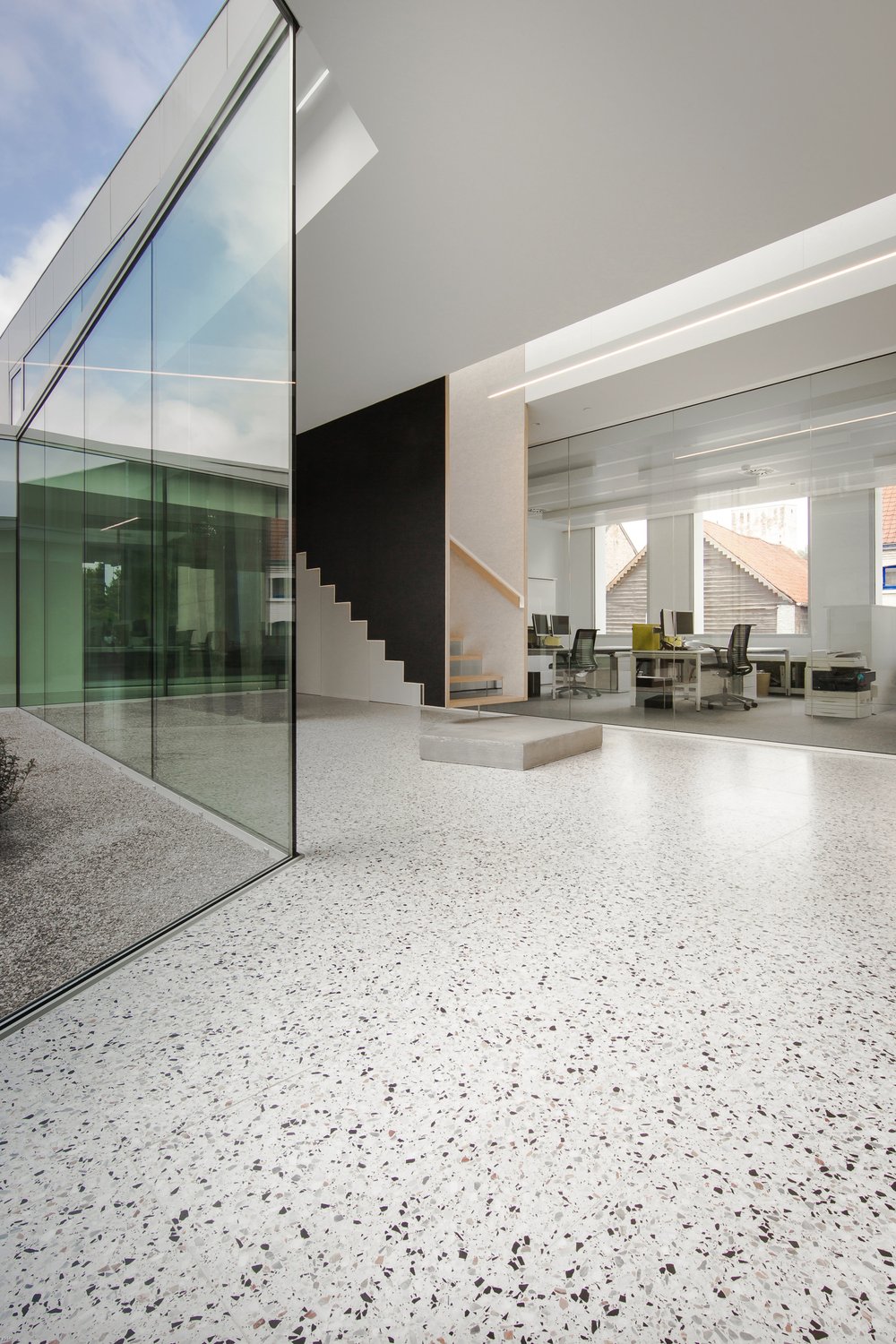
Sintered marble has become an appealing option for interior and architectural projects that seek the visual character of natural stone alongside the consistency and versatility of manufactured surfaces. Its applications may include countertops, wall cladding, vanity tops, furniture surfaces, and decorative features. Behind these products is a manufacturing process that combines material preparation, advanced forming techniques, controlled thermal treatment, surface design, and quality inspection.
Understanding how a Sintered Marble Factory operates helps buyers, architects, contractors, and distributors evaluate product quality beyond its appearance. Production technology, raw material consistency, decorative pattern development, and testing procedures all influence the finished surface. Reviewing these factors can make it easier to select suitable products for specific projects and establish reliable supplier relationships.
1. Understanding Sintered Marble
Sintered marble generally refers to manufactured surfaces designed to reproduce the appearance of marble through specialized mineral-based production processes. Unlike natural marble, which is quarried from geological deposits, manufactured surfaces are produced under controlled industrial conditions.
Depending on the product and manufacturing technology, the material may incorporate selected minerals, pigments, and other formulation components. These ingredients are processed to achieve the required physical structure, color, pattern, and surface finish.
Sintered marble products may offer several advantages:
- More controlled decorative patterns and color options
- Large-format slab availability
- Different thicknesses and surface finishes
- Designs inspired by natural marble varieties
- Product specifications suited to selected interior applications
Actual performance varies by formulation and production method. Buyers should always consult product-specific technical information before selecting a surface.
2. Raw Material Selection and Preparation
The quality of a manufactured marble surface begins with the materials used in its formulation. Raw material selection influences the product’s appearance, processing behavior, and final characteristics.
Mineral Composition
Mineral components form the foundation of many sintered surface products. Their properties and proportions influence the finished material’s structure and appearance.
Manufacturers need to establish suitable material specifications and maintain consistent sourcing practices to reduce differences between production batches.
Pigments and Decorative Components
Pigments help create the colors and visual effects associated with different marble designs. Their selection and distribution are important for achieving consistent shades and patterns.
Some designs may also use different mineral compositions or decorative techniques to reproduce natural-looking veins and tonal variation.
Material Preparation
Before forming, raw materials may undergo processes such as crushing, grinding, screening, measuring, and blending. The exact preparation sequence depends on the factory’s production technology.
Important controls include:
- Accurate material proportions
- Appropriate particle-size distribution
- Consistent mixing
- Suitable moisture conditions where required
- Prevention of contamination
- Batch identification and traceability
Well-managed preparation helps create a stable foundation for subsequent manufacturing stages.
3. Production Technology and Forming Processes
After material preparation, the mixture is shaped into slabs using specialized production equipment. Forming methods vary between manufacturers, but the objective is to achieve the required dimensions, thickness, and material distribution.
Material Distribution
Uniform distribution is important because uneven material placement may affect slab appearance and consistency. Manufacturers need to monitor feeding systems and forming conditions to reduce variations.
Compaction and Pressure Control
Depending on the production method, pressure may be applied to compact the prepared materials into a defined slab structure. Appropriate pressure and equipment settings help maintain consistency.
Dimensional Control
Large-format slabs require accurate control of length, width, and thickness. Dimensional variation can create difficulties during cutting, fabrication, and installation.
Factories should establish production tolerances and inspect dimensions at suitable stages of the manufacturing process.
4. Thermal Processing and Material Stability
Thermal processing is a major stage in many sintered surface manufacturing systems. Controlled heating helps develop the final material structure and influences important product characteristics.
The required processing conditions depend on the material formulation, equipment design, and intended product specifications.
Key variables may include:
- Heating rate
- Processing temperature
- Time at temperature
- Temperature distribution
- Cooling conditions
- Movement through the processing equipment
Inconsistent conditions can affect appearance, dimensions, and physical performance. Manufacturers therefore need suitable monitoring systems and operating procedures.
Buyers should ask about the factory’s production technology and request relevant test documentation rather than assuming that all products described as sintered marble have identical characteristics.
5. How Factories Create Marble-Inspired Surface Patterns
One of the most recognizable features of sintered marble is its ability to reproduce the appearance of natural stone. Decorative patterns can range from subtle veining to dramatic contrasts and complex mineral-inspired designs.
Vein Development
Marble-inspired veins are developed through decorative design methods and material placement techniques. Their appearance depends on the chosen production technology and the design specifications.
A manufacturer may offer patterns inspired by different natural marble styles, including light backgrounds with fine veins or darker surfaces with contrasting mineral details.
Color Distribution
Color consistency is important when multiple slabs are used in one project. Pigment preparation, material blending, and production controls help reduce unwanted differences.
Pattern Direction
Some designs have directional veins that need to be considered during fabrication and installation. Slab orientation can influence how patterns align across countertops, wall panels, and other surfaces.
Natural-Looking Variation
A completely repetitive pattern may appear artificial in some applications. Carefully planned variation can create a more natural visual effect while maintaining the intended design identity.
Buyers should review several full-size slab references when pattern continuity is important.
6. Surface Finishing Options
Surface finishing influences the visual character, texture, and maintenance requirements of sintered marble products.
Polished Finish
Polished surfaces have a reflective appearance that can highlight decorative veins and color depth. They are often selected for countertops, feature walls, and elegant interior spaces.
Matte Finish
Matte surfaces create a softer, less reflective appearance. They can complement minimalist and contemporary interiors.
Satin Finish
Satin finishes offer a balance between a smooth appearance and restrained reflection. Their suitability depends on the design and product specifications.
Textured Finish
Textured surfaces provide tactile variation and can create distinctive decorative effects. Buyers should evaluate cleaning requirements and confirm whether the finish is appropriate for the intended application.
The selected finish should be reviewed through physical samples because digital images may not accurately represent gloss, texture, or color.
7. Quality Standards and Inspection Procedures
Quality control is essential for maintaining product consistency. A reliable factory should monitor the material from incoming raw materials through to final packaging.
Several inspection areas are particularly important.
Appearance Inspection
Finished slabs should be checked for visible defects such as scratches, cracks, surface irregularities, unwanted color differences, and pattern inconsistencies.
Dimensional Inspection
Length, width, and thickness should be measured against the specified tolerances. Flatness and edge conditions may also need to be checked.
Physical Performance Testing
Depending on the product and intended use, relevant testing may include:
- Water absorption
- Flexural strength
- Abrasion resistance
- Chemical resistance
- Thermal behavior
- Surface hardness or scratch-related performance
The applicable tests and acceptance criteria depend on the material category and relevant standards.
Batch Consistency
Comparing products from different production batches helps identify variations that could affect large installations or repeat orders.
Factories should maintain suitable inspection records and product identification systems to support traceability.
8. Applications in Residential and Commercial Interiors
Sintered marble can be used in a variety of interior settings, provided the selected product meets the relevant technical and installation requirements.
Kitchen Countertops
Marble-inspired surfaces can create an elegant focal point in kitchen designs. Buyers should review resistance to staining, heat, scratching, and cleaning chemicals, along with fabrication requirements.
Bathroom Vanity Tops
These surfaces can coordinate with wall finishes, cabinetry, and bathroom fixtures. Moisture exposure, cleaning procedures, and edge details should be considered.
Wall Cladding
Large-format slabs can create visually continuous wall surfaces and decorative feature areas. Installation systems, slab weight, substrate suitability, and fixing requirements should be confirmed before work begins.
Reception Counters and Commercial Interiors
Hotels, offices, restaurants, and retail environments may use marble-inspired surfaces to create a refined appearance. Product selection should account for expected use, maintenance routines, and project specifications.
Furniture and Decorative Elements
Sintered marble surfaces may also be fabricated into tabletops, shelving, display counters, and selected furniture components. Buyers should coordinate with experienced fabricators to confirm suitable dimensions and edge treatments.
9. Evaluating Slab Dimensions and Thickness
Slab dimensions influence design flexibility, material utilization, handling, and installation.
Different manufacturers offer different size and thickness options. Buyers should confirm the actual available formats rather than relying on general industry assumptions.
Important considerations include:
- Available slab length and width
- Nominal and actual thickness
- Dimensional tolerances
- Weight per slab
- Cutting and fabrication limitations
- Transportation and storage requirements
- Installation support and fixing methods
Thinner products may suit certain wall applications, while thicker options may be preferred for selected countertop designs. However, the correct choice depends on the material’s technical specifications and the requirements of the installation.
10. What Buyers Should Check When Selecting a Factory
Choosing a manufacturer requires an assessment of production capability, product quality, technical support, and commercial reliability.
A useful supplier evaluation should include the following factors:
- Manufacturing technology: Understand the factory’s forming, processing, and finishing capabilities.
- Material consistency: Ask how raw materials are selected, prepared, and monitored.
- Product range: Review available colors, patterns, sizes, thicknesses, and finishes.
- Quality control: Check how the factory inspects products and manages defects.
- Technical documentation: Request product specifications and relevant test reports.
- Sample approval: Examine physical samples and full-size slab references before ordering.
- Production capacity: Confirm whether the factory can meet the required quantity and schedule.
- Customization options: Ask whether special patterns, dimensions, or finishes are available.
- Packaging and logistics: Review how slabs are protected and prepared for transportation.
- After-sales support: Understand the procedures for handling product questions and delivery concerns.
A structured assessment makes it easier to compare manufacturers using practical criteria rather than relying only on catalog images or promotional descriptions.
11. Packaging and International Shipping
Large-format slabs need suitable packaging and careful handling to reduce the risk of damage during transportation.
Factories may use protective materials, reinforced crates, or specialized racks depending on slab dimensions and shipment requirements.
Before confirming an order, buyers should clarify:
- Packaging specifications
- Slab identification and labeling
- Loading and unloading procedures
- Shipment weight and dimensions
- Freight responsibilities
- Insurance arrangements
- Delivery schedules
- Procedures for reporting transit damage
International buyers should also confirm export documentation, applicable customs requirements, and agreed delivery terms.
Clear arrangements help reduce misunderstandings and protect the condition of the products during shipping.
12. Common Mistakes to Avoid When Sourcing Sintered Marble
Even an attractive product may not be suitable if its technical characteristics and production details are not carefully evaluated.
Common sourcing mistakes include:
Choosing based only on photographs: Digital images may not accurately represent the actual color, texture, and pattern variation. Physical samples should be reviewed.
Ignoring technical specifications: Performance should be evaluated according to the intended application rather than general product descriptions.
Overlooking fabrication requirements: Cutting, drilling, edge finishing, and installation may require specialized tools and experience.
Failing to check batch consistency: Different batches may show visible variations, especially in decorative patterns.
Comparing incomplete quotations: Buyers should compare equivalent specifications, quantities, packaging, and delivery terms.
Neglecting installation planning: Slab weight, substrate conditions, support requirements, and fixing systems should be addressed before installation.
Avoiding these issues can help reduce project delays, additional costs, and quality concerns.
13. Building a Long-Term Relationship with a Manufacturer
For distributors, contractors, and project developers, a reliable manufacturing relationship can improve sourcing efficiency and product consistency over time.
Buyers can support this relationship by maintaining records of approved samples, technical specifications, production batches, and inspection results.
Regular communication about upcoming orders, design changes, and delivery schedules also helps manufacturers plan production more effectively.
A dependable partnership should be based on transparent specifications, realistic commitments, consistent quality procedures, and clear processes for resolving concerns.
Conclusion
A sintered marble factory combines material preparation, forming technology, thermal processing, decorative pattern development, surface finishing, and quality inspection to produce surfaces for modern interior applications. Each stage influences the finished product’s appearance, dimensions, and technical performance.
For buyers, understanding these processes provides a practical foundation for evaluating manufacturers and selecting suitable materials. Reviewing physical samples, checking product-specific test reports, confirming fabrication requirements, and comparing supplier capabilities can help ensure that the selected surfaces meet both design expectations and project needs.






Post Comment