How to Identify a High-Quality Drinkware Supplier for Long-Term Business Success
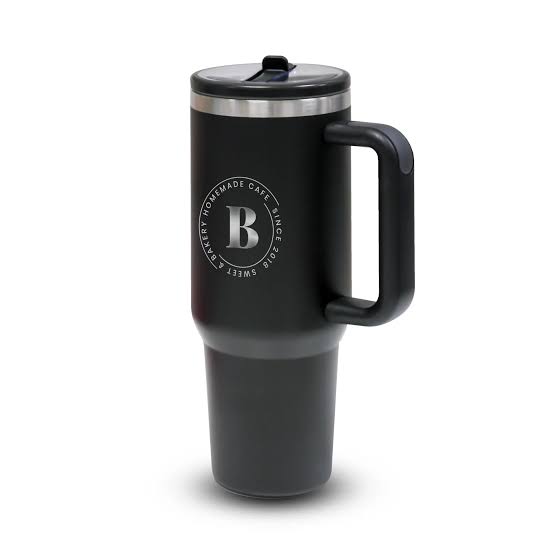
Choosing the right supplier is an important decision for businesses involved in retail, hospitality, promotional products, and beverage packaging. Drinkware products are used regularly, so customers expect them to be durable, safe, attractive, and functional. A reliable sourcing partner helps businesses maintain consistent product quality while meeting customer expectations and managing operational costs.
Working with a dependable Drinkware Supplier can make a significant difference in maintaining product standards, managing inventory, and supporting long-term business growth. However, selecting the right supplier requires more than comparing prices. Businesses should evaluate several factors, including material quality, manufacturing capabilities, product variety, certifications, communication, and delivery performance.
1. Evaluate Product Quality and Material Standards
Product quality should be the first consideration when comparing potential suppliers. Drinkware comes in different materials, including stainless steel, glass, plastic, ceramic, and silicone. Each material has unique properties that influence durability, appearance, maintenance, and suitability for different applications.
A high-quality supplier should understand these material differences and provide products that meet the intended requirements. For example, stainless steel drinkware is often selected for its durability and insulation capabilities, while glass products are valued for their appearance and ability to preserve beverage taste.
Before placing a large order, consider checking:
- Material composition and overall construction.
- Resistance to scratches, cracks, and everyday wear.
- Lid quality, sealing performance, and leak resistance.
- Surface finishing and consistency of product appearance.
- Suitability for repeated use and cleaning.
Requesting product samples is an effective way to assess these characteristics before making a long-term purchasing commitment.
2. Check Product Safety and Relevant Certifications
Drinkware products come into direct contact with beverages, making material safety an essential consideration. Businesses should ensure that products comply with the relevant food-contact regulations and safety requirements in their target markets.
A professional supplier should be able to explain the materials used in production and provide appropriate documentation when requested. Depending on the product and destination market, relevant requirements may include FDA food-contact regulations, EU food-contact legislation, and applicable testing standards.
Businesses should also pay attention to coatings, paints, adhesives, and other components that may come into contact with beverages. Safety documentation and independent testing reports can help verify that products meet the necessary requirements.
3. Assess Manufacturing Capabilities and Production Capacity
A supplier’s manufacturing capabilities directly affect its ability to support business growth. Companies with expanding product demand need a sourcing partner that can handle increasing order volumes without compromising quality.
Ask potential suppliers about their production facilities, equipment, workforce, and manufacturing processes. Understanding these capabilities helps determine whether they can meet both current and future purchasing requirements.
Important factors to evaluate include:
- Monthly or annual production capacity.
- Manufacturing equipment and technology.
- Experience producing different drinkware materials.
- Ability to manage customized orders.
- Production planning and quality management procedures.
A supplier with suitable production capacity can help reduce delays and maintain a more predictable supply chain.
4. Look for a Diverse Product Range
Product variety is another important factor when selecting a long-term business partner. A supplier offering different drinkware styles and materials gives businesses greater flexibility when developing product collections or responding to changing customer preferences.
Common product categories include stainless steel tumblers, insulated bottles, travel mugs, reusable cups, glass drinkware, and promotional drinkware.
A broad selection allows retailers and distributors to serve different customer groups without managing relationships with numerous suppliers. It can also make product development and seasonal purchasing more convenient.
However, product variety should not replace quality evaluation. Businesses should confirm that each product category meets their required performance and safety standards.
5. Examine Customization and Branding Options
Customization can help businesses create distinctive product collections and strengthen brand recognition. This is particularly valuable for promotional merchandise companies, corporate gift providers, retailers, and hospitality businesses.
A capable supplier may offer several customization options, such as:
- Logo printing and engraving.
- Custom colors and surface finishes.
- Different lid and accessory designs.
- Personalized packaging.
- Custom product shapes and sizes.
Before selecting a supplier, discuss minimum order quantities, customization costs, artwork requirements, and production timelines.
It is also useful to request a prototype or sample of customized products. This helps businesses evaluate the accuracy of branding, color consistency, and overall product appearance before approving mass production.
6. Compare Pricing Without Compromising Quality
Price is an important part of supplier selection, but choosing the cheapest option does not always provide the best long-term value. Low prices may sometimes reflect lower-grade materials, limited quality inspections, or inconsistent manufacturing processes.
Businesses should compare quotations based on the complete cost of purchasing and receiving products.
Consider the following cost factors:
- Unit price and minimum order quantity.
- Customization and packaging expenses.
- Shipping and transportation costs.
- Import duties and applicable taxes.
- Potential costs associated with defects or replacements.
A transparent supplier should provide clear quotations and explain the factors influencing product prices. Comparing the total cost of ownership gives businesses a more realistic understanding of supplier value.
7. Investigate Quality Control Procedures
Consistent product quality is essential for maintaining customer satisfaction. Even a small number of defective products can lead to complaints, returns, additional expenses, and damage to a company’s reputation.
A reliable supplier should have established quality control procedures throughout the manufacturing process. These procedures may include incoming material inspections, production monitoring, assembly checks, and final product testing.
For drinkware products, useful inspection areas include:
- Leakage and sealing performance.
- Insulation performance where applicable.
- Surface defects and finishing quality.
- Lid fitting and component compatibility.
- Product dimensions and weight consistency.
- Packaging condition and protection.
Businesses should ask whether the supplier conducts inspections before shipment and whether inspection reports can be provided for large orders.
8. Evaluate Communication and Customer Support
Good communication helps prevent misunderstandings and makes purchasing operations more efficient. Suppliers should respond clearly to questions about specifications, quotations, samples, production schedules, and shipping arrangements.
During the initial discussions, observe how quickly and accurately a supplier responds. A professional business partner should provide realistic information rather than making promises that cannot be supported.
It is also important to understand how the supplier handles problems. Ask about procedures for defective products, order discrepancies, replacement requests, and after-sales support.
Reliable communication becomes particularly valuable when businesses manage customized orders or coordinate multiple shipments.
9. Review Delivery Performance and Supply Chain Reliability
A supplier may offer excellent products, but inconsistent delivery can create serious challenges for businesses. Late shipments can affect inventory availability, retail launches, promotional campaigns, and customer commitments.
Before entering a long-term agreement, discuss production lead times, shipping methods, order tracking, and delivery arrangements.
Businesses should also evaluate whether the supplier has experience handling international shipments if products are being sourced from overseas.
A dependable supply partner should provide realistic delivery estimates and communicate promptly if production or transportation issues arise.
10. Check Industry Experience and Business Reputation
Experience can provide useful insight into a supplier’s ability to understand market requirements and manage different types of orders. Businesses should investigate how long a supplier has operated, which industries it serves, and whether it has experience with similar product specifications.
Useful evaluation methods include reviewing customer feedback, requesting business references, examining product samples, and checking available company information.
It is also worth discussing previous projects involving similar order quantities, materials, or customization requirements. This can help establish whether the supplier has the technical knowledge and operational experience needed for the partnership.
11. Consider Long-Term Business Compatibility
A supplier should not only meet immediate purchasing requirements but also support the company’s future objectives. As businesses expand, their needs may change in terms of product variety, order quantities, customization, and delivery schedules.
Look for a supplier that demonstrates flexibility and a willingness to develop a stable working relationship.
Long-term compatibility can be evaluated through several factors:
- Consistent product quality across repeat orders.
- Ability to accommodate changing order volumes.
- Clear pricing and purchasing terms.
- Reliable communication and problem resolution.
- Continuous product development and improvement.
Building a strong supplier relationship can reduce sourcing difficulties and create more predictable purchasing operations.
12. Start With a Trial Order Before Making a Long-Term Commitment
Even after evaluating a supplier’s credentials, placing a small trial order is a practical way to verify actual performance. Samples provide information about individual products, but a trial order offers a better understanding of the complete ordering process.
During the trial, assess product consistency, packaging, delivery time, communication, and the supplier’s response to any issues.
Compare the delivered products with the approved samples and original specifications. If the supplier meets expectations, businesses can gradually increase order quantities and establish a longer-term purchasing arrangement.
Conclusion
Identifying a high-quality drinkware supplier requires careful consideration of product quality, material safety, manufacturing capacity, customization options, pricing, and delivery reliability. Businesses should look beyond initial quotations and evaluate how well a potential supplier can support their operational requirements over time.
Requesting samples, checking certifications, reviewing quality control procedures, and starting with a trial order can help reduce sourcing risks. By prioritizing transparency, consistency, and effective communication, businesses can build dependable supplier relationships that support customer satisfaction and sustainable long-term growth.



Post Comment