Choosing the Right Shape and Size for Your Custom Swimming Pool
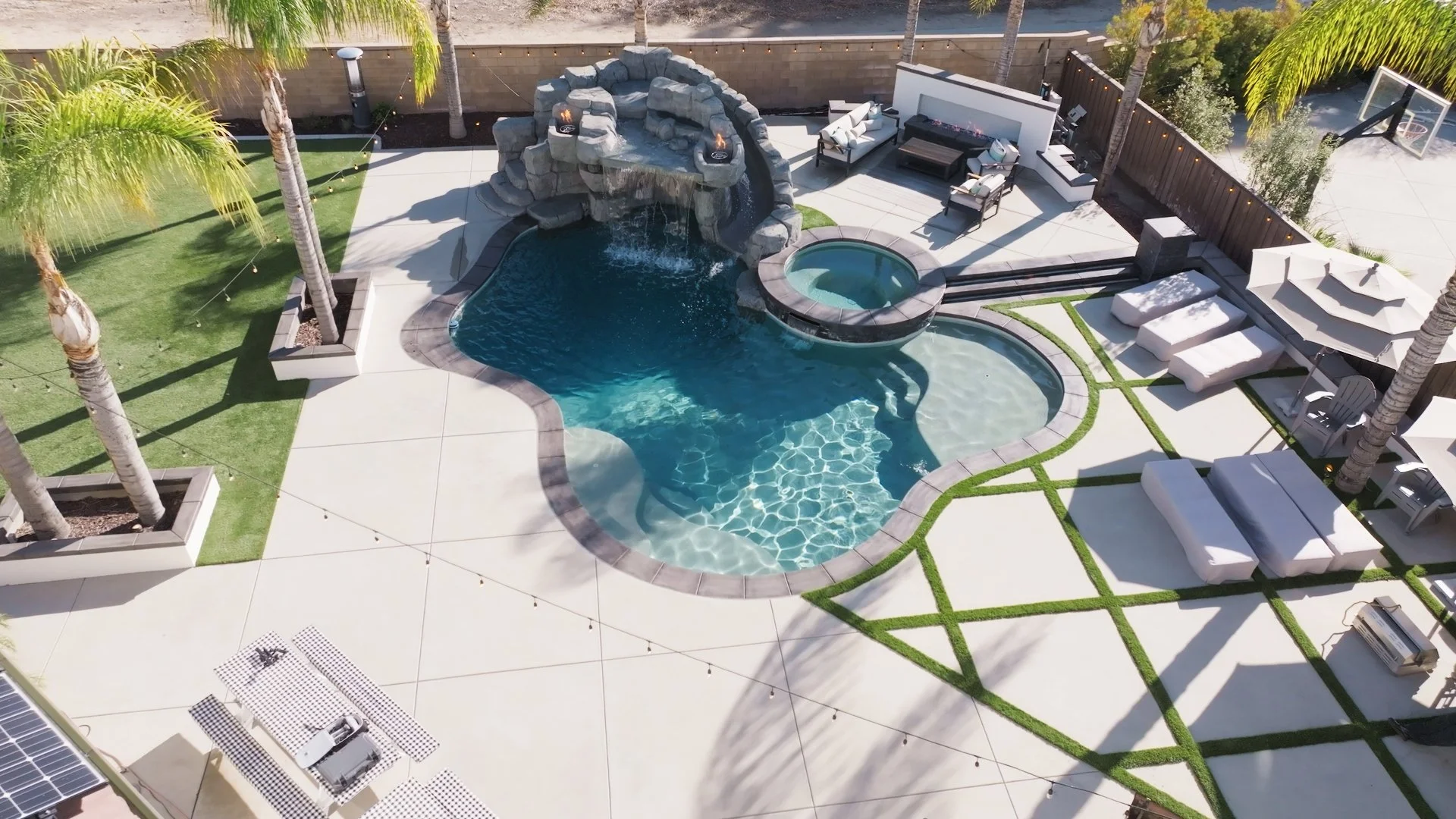
Designing a swimming pool involves several important decisions, but choosing the right shape and size is among the most significant. These factors influence the pool’s appearance, functionality, construction requirements, and how comfortably it fits into your outdoor space. A well-planned pool should complement your property while providing enough room for the activities you enjoy.
When planning a Custom Swimming Pool, it is important to look beyond visual preferences and consider practical requirements. Available space, intended use, household needs, landscaping, and maintenance responsibilities all play a role in determining the ideal dimensions and design. Understanding these considerations can help you create a swimming area that remains attractive and functional for years.
Assess Your Available Outdoor Space
Before selecting a pool shape or size, evaluate the space available on your property. Measure the backyard and identify existing structures, trees, walkways, patios, and utility lines that may affect the installation.
The goal is to create a balanced outdoor layout rather than filling the entire yard with water. Adequate surrounding space is necessary for walking, seating, landscaping, and accessing pool equipment.
Also consider the property’s slope, soil conditions, drainage, and accessibility. These factors may influence which pool dimensions and configurations are suitable for the location.
Understand Different Swimming Pool Shapes
Pool shapes affect both the visual appearance and practical use of an outdoor area. Each design offers different advantages depending on the property’s layout and the homeowner’s preferences.
Rectangular Pools
Rectangular pools are a popular choice because of their clean lines and versatile design. They work particularly well with modern and contemporary architecture.
Their straightforward shape makes them suitable for swimming laps, recreational activities, and organized poolside layouts. They can also fit efficiently into narrow or elongated backyards.
Freeform Pools
Freeform pools feature flowing curves and irregular outlines that create a more natural appearance. They are often used in properties with gardens, tropical landscaping, or organic outdoor designs.
This shape offers flexibility when working around existing landscape features. It can also create separate areas for relaxation and swimming without relying on traditional geometric lines.
Kidney-Shaped Pools
Kidney-shaped pools have a distinctive curved design with a narrower central section. Their appearance can complement traditional landscaping and provide an informal recreational environment.
The curved layout may also help create different functional areas, such as a deeper swimming section and a shallower space for relaxation.
L-Shaped Pools
L-shaped pools are useful when homeowners want to separate different swimming activities. One section can accommodate recreational use, while the other provides a dedicated swimming area.
This configuration can also work well around patios, garden corners, and properties with unusual layouts.
Geometric and Custom Shapes
Some properties benefit from unconventional pool designs that reflect the architecture of the home. Geometric configurations, asymmetrical layouts, and carefully planned curves can create a distinctive outdoor feature.
However, more complex shapes may involve additional design, construction, and maintenance considerations. The proposed layout should always be evaluated for practicality as well as appearance.
Determine the Ideal Pool Size
The appropriate pool size depends on how the space will be used and how many people are expected to use it regularly. A pool designed for occasional relaxation may require significantly less space than one intended for family recreation or swimming exercise.
Consider the following factors when determining dimensions:
- Household size: More swimmers may require a larger swimming area.
- Primary activities: Lap swimming, playing, and relaxation have different space requirements.
- Available land: The pool should fit comfortably without limiting other outdoor activities.
- Budget: Larger pools generally require more construction materials, water, and operating resources.
- Maintenance: Increased water volume and surface area can affect cleaning and maintenance requirements.
A carefully selected size helps ensure the pool meets everyday needs without creating unnecessary expenses.
Consider the Pool’s Depth and Layout
Depth is just as important as length and width. The appropriate depth depends on the intended activities and the people who will use the pool.
A shallow section can provide a comfortable environment for relaxing and supervised play. Deeper sections may be appropriate for specific swimming activities, provided they are designed according to applicable safety requirements.
For households with children or inexperienced swimmers, accessibility and supervision should be major priorities. Clearly defined depth transitions, suitable entry steps, and appropriate safety barriers can improve the overall experience.
Consult a qualified pool designer to determine suitable depth specifications based on local regulations and intended use.
Match the Pool Design to Your Property’s Architecture
A swimming pool should look like a natural extension of the property rather than an unrelated addition. The home’s architectural style, exterior finishes, and landscaping can help guide the selection of shape and dimensions.
For example, modern homes often pair well with rectangular pools and minimalist surroundings. Traditional properties may benefit from curved designs, natural stone finishes, and softer landscaping.
Color selection also contributes to visual harmony. Neutral finishes can create a timeless appearance, while darker or contrasting materials may produce a more dramatic effect.
The surrounding deck, fencing, pathways, and outdoor furniture should be considered as part of the overall design.
Plan Space for Poolside Activities
A swimming pool is only one part of an outdoor recreational area. The surrounding space should accommodate the activities that make the property enjoyable.
Depending on the available area, homeowners may want to include:
- Comfortable seating and sun loungers.
- Shaded areas for relaxation.
- Outdoor dining or entertainment spaces.
- Safe walking paths around the pool.
- Storage for swimming equipment.
- Landscaping that provides privacy and visual interest.
Leaving sufficient room around the pool improves accessibility and helps prevent the outdoor area from feeling overcrowded.
Consider Long-Term Maintenance and Operating Costs
Pool dimensions and shapes can influence the time and money required for ongoing maintenance. Larger pools generally require more water treatment, while intricate shapes may have areas that are more difficult to clean.
Before making a final decision, consider the availability of cleaning equipment, filtration requirements, and access to essential components.
Energy-efficient pumps, automatic cleaners, and properly fitted covers can help simplify routine maintenance. Selecting durable interior finishes and suitable surrounding materials can also reduce long-term repair requirements.
A design that is easy to maintain can provide greater convenience throughout the pool’s lifespan.
Work With a Professional Pool Designer
Professional advice can help homeowners evaluate design possibilities and identify potential limitations before construction begins. An experienced pool designer can assess the property, recommend appropriate dimensions, and develop a layout that considers structural requirements and local building regulations.
They can also help coordinate the pool with existing landscaping, drainage systems, outdoor structures, and essential equipment.
Before approving a design, review the proposed dimensions, depth variations, materials, surrounding deck space, and estimated construction costs. Making adjustments during the planning stage is generally easier than changing the design once construction has started.
Conclusion
Choosing the right swimming pool shape and size requires a balance between personal preferences, available space, functionality, and long-term practicality. Whether you prefer a simple rectangular design, a natural freeform layout, or a more distinctive geometric configuration, the pool should complement your property and support the activities you enjoy.
By evaluating your outdoor space, considering household needs, planning appropriate depths, and accounting for maintenance requirements, you can make more informed design decisions. With careful planning and professional guidance, the finished pool can become a comfortable, attractive, and lasting addition to your property.



Post Comment