PVC Tarpaulin Manufacturers: A Complete Guide to Quality, Durability, and Applications
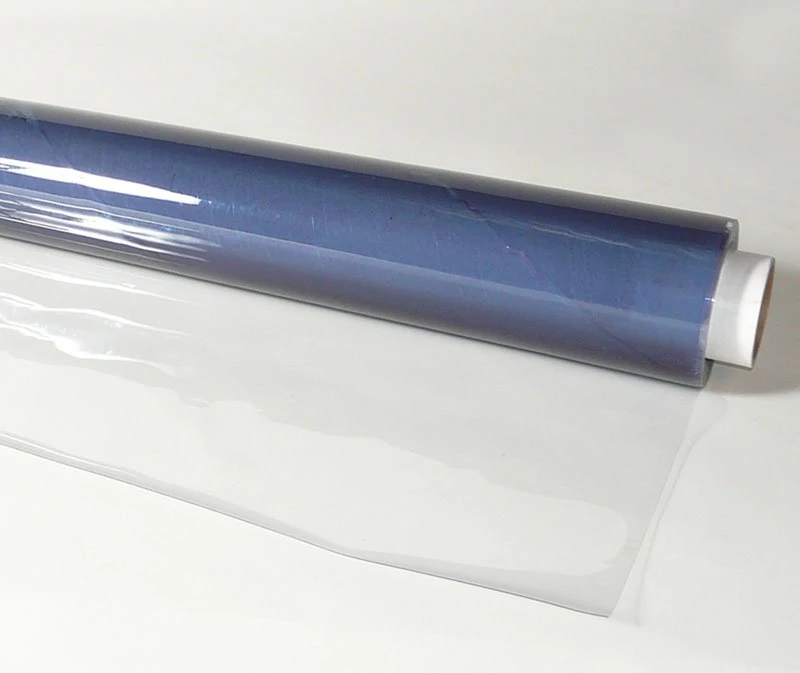
PVC tarpaulins have become an essential material across various industries because of their strength, flexibility, and resistance to challenging environmental conditions. From construction sites and transportation to agriculture and outdoor storage, these versatile sheets provide reliable protection against rain, sunlight, dust, and moisture. Their ability to withstand demanding applications makes them a practical choice for both commercial and industrial use.
Choosing the right tarpaulin involves understanding its material quality, manufacturing standards, and intended application. Reliable PVC Tarpaulin Manufacturers focus on producing durable products with consistent thickness, strong coatings, and dependable performance. Understanding what separates high-quality tarpaulins from ordinary alternatives can help buyers make informed decisions and select materials that offer long-term value.
What Is PVC Tarpaulin?
PVC tarpaulin is a protective fabric generally manufactured using a polyester base fabric coated or laminated with polyvinyl chloride (PVC). This combination provides a balance of tensile strength, flexibility, and weather resistance.
The polyester base contributes structural stability, while the PVC coating creates a protective surface that helps prevent water penetration and protects the fabric from environmental exposure. Depending on the manufacturing process, additional treatments may be applied to improve UV resistance, flame retardancy, and surface durability.
PVC tarpaulins are available in different thicknesses, weights, colors, and finishes to accommodate specific industrial and commercial requirements.
Key Features of High-Quality PVC Tarpaulins
Not all PVC tarpaulins offer the same level of performance. Their quality depends on raw materials, coating technology, fabric construction, and production standards.
Some important characteristics include:
1. Excellent Waterproofing
One of the primary advantages of PVC tarpaulin is its ability to resist water penetration. The PVC coating creates a protective barrier that makes the material suitable for covering goods, equipment, vehicles, and outdoor structures.
High-quality products also feature properly sealed seams to minimize the risk of leakage.
2. UV and Weather Resistance
Outdoor tarpaulins are frequently exposed to direct sunlight, rain, wind, and changing temperatures. UV-resistant formulations help reduce damage caused by prolonged sunlight exposure.
This feature is particularly important for applications where the material remains outdoors for extended periods.
3. High Tensile and Tear Strength
A durable tarpaulin must withstand pulling forces, stretching, and occasional mechanical stress. The polyester reinforcement provides strength, while the PVC coating contributes to overall protection.
Tear resistance is especially important for transportation covers, construction applications, and industrial storage.
4. Flexibility and Easy Handling
Despite their strength, PVC tarpaulins remain relatively flexible. This makes them easier to fold, transport, install, and handle in different working environments.
Their flexibility also allows manufacturers to produce customized shapes and sizes for specialized applications.
5. Chemical and Abrasion Resistance
Depending on the formulation, PVC-coated fabrics can offer resistance to certain chemicals, oils, dirt, and surface abrasion. This makes them useful in industrial environments where ordinary fabric covers may deteriorate quickly.
However, chemical compatibility should always be checked before selecting a product for specialized applications.
Common Types of PVC Tarpaulin
Different industries require different tarpaulin specifications. Manufacturers typically offer several product variations based on coating methods, fabric construction, and performance requirements.
Coated PVC Tarpaulin
Coated PVC tarpaulin is produced by applying a PVC layer to a textile base. It offers waterproofing, flexibility, and good mechanical strength.
It is commonly used for truck covers, industrial curtains, outdoor shelters, and protective coverings.
Laminated PVC Tarpaulin
Laminated tarpaulin is manufactured by bonding PVC films to a reinforcing fabric. It provides a smooth surface and is suitable for various general-purpose covering applications.
Its performance depends on the quality of the bonding process and the materials used.
Flame-Retardant PVC Tarpaulin
Flame-retardant varieties are designed for environments where fire safety is an important consideration. They are commonly used in temporary structures, industrial facilities, and event shelters.
Buyers should verify the relevant fire-retardancy test standards and certifications rather than relying solely on product descriptions.
UV-Resistant PVC Tarpaulin
UV-resistant tarpaulins contain additives or protective formulations that help reduce degradation from sunlight.
They are particularly useful for outdoor storage, agricultural protection, and transportation applications.
Major Applications of PVC Tarpaulin
The versatility of PVC tarpaulin makes it suitable for numerous industries. Its combination of strength, waterproofing, and adaptability allows it to serve different protective purposes.
Transportation and Logistics
PVC tarpaulins are widely used as truck covers, trailer curtains, and cargo protection sheets. They help shield transported goods from rain, dust, sunlight, and road debris.
Their tear resistance and flexibility make them suitable for repeated handling during loading and unloading.
Construction Industry
Construction sites often require temporary coverings to protect building materials, machinery, and unfinished structures.
PVC tarpaulins are used for scaffolding covers, temporary partitions, protective sheets, and weather-resistant enclosures.
Agriculture
Farmers use PVC tarpaulins for covering harvested crops, protecting agricultural equipment, and creating temporary storage solutions.
Depending on the product specification, they can also be used for water-related applications and other agricultural protection requirements.
Warehousing and Industrial Storage
Industrial facilities use PVC tarpaulins to cover machinery, raw materials, and stored products. Their waterproof surface helps reduce exposure to moisture and dust.
They can also be manufactured into industrial curtains and flexible partitions to separate working areas.
Events and Outdoor Structures
PVC-coated fabrics are commonly used for tents, temporary shelters, exhibition structures, and outdoor canopies.
Their availability in different colors, thicknesses, and finishes makes them adaptable to various structural and aesthetic requirements.
How to Choose the Right PVC Tarpaulin Manufacturer
Selecting a reliable manufacturer is just as important as choosing the correct material. A well-manufactured tarpaulin generally offers more consistent performance and a longer service life.
Consider the following factors before making a purchasing decision:
Material Quality
Ask about the polyester fabric strength, PVC coating composition, thickness, and overall weight. These specifications directly influence the material’s durability and suitability for different applications.
Manufacturing Technology
Modern coating, lamination, and quality-control processes help ensure consistent product performance. Manufacturers with established production systems are generally better positioned to maintain uniform specifications across large orders.
Testing and Certifications
Check whether the manufacturer conducts relevant quality tests, including:
- Tensile strength testing.
- Tear resistance testing.
- Waterproofing assessments.
- UV resistance testing.
- Flame-retardancy testing, where applicable.
- Coating adhesion testing.
Certifications and test reports should be verified against recognized standards and the intended application.
Customization Options
Different projects may require specific widths, lengths, colors, thicknesses, and surface finishes.
A manufacturer capable of offering customization can help buyers obtain products that meet their operational requirements without unnecessary material adjustments.
Production Capacity and Consistency
For bulk buyers, production capacity and delivery reliability are important considerations. Consistency between batches is equally essential, particularly when tarpaulins are used in large-scale commercial or industrial projects.
Factors That Affect PVC Tarpaulin Durability
The service life of a PVC tarpaulin depends on several interconnected factors.
Raw Material Quality: High-quality polyester yarn and properly formulated PVC coatings contribute to better strength and durability.
Coating Thickness: An appropriate coating thickness improves waterproofing and surface protection. However, thickness alone does not guarantee overall quality.
Environmental Conditions: Continuous sunlight, extreme temperatures, wind exposure, and chemical contact can affect the material over time.
Installation and Handling: Incorrect installation, excessive tension, sharp edges, and rough handling may cause premature damage.
Maintenance Practices: Regular cleaning, proper drying, and suitable storage can help maintain the material’s condition.
Maintenance Tips for Longer Service Life
Although PVC tarpaulins are designed for demanding conditions, proper maintenance helps preserve their performance.
- Clean the surface periodically using mild soap and water.
- Avoid harsh chemicals or abrasive cleaning tools unless approved by the manufacturer.
- Allow the material to dry before folding and storing it.
- Keep stored tarpaulins away from sharp objects and excessive heat.
- Inspect seams, eyelets, and damaged areas regularly.
- Avoid pulling the fabric beyond its recommended load capacity.
Following these practices can help reduce unnecessary wear and extend the useful life of the material.
PVC Tarpaulin vs. Traditional Fabric Covers
Traditional fabric covers, such as untreated cotton or basic woven materials, may provide protection against dust and light exposure. However, they often require additional treatments to achieve reliable waterproofing.
PVC tarpaulins offer several advantages, including a waterproof coating, better resistance to environmental exposure, and suitability for repeated industrial use.
The right choice ultimately depends on the application, budget, required service life, and operating conditions. For demanding outdoor environments, PVC-coated materials are often a more practical option.
Future Trends in PVC Tarpaulin Manufacturing
The PVC tarpaulin industry continues to evolve as businesses seek materials that offer improved performance and more efficient manufacturing processes.
Some emerging areas of development include advanced coating technologies, improved UV-resistant formulations, lighter high-strength fabrics, and more efficient production methods.
Manufacturers are also exploring ways to reduce production waste, improve material utilization, and develop products with better environmental performance.
As industrial requirements become more specialized, customized tarpaulin solutions and application-specific material specifications are likely to remain important areas of industry development.
Conclusion
PVC tarpaulins play an important role in transportation, construction, agriculture, warehousing, and outdoor protection. Their waterproof properties, mechanical strength, flexibility, and adaptability make them suitable for a wide range of commercial and industrial applications.
However, selecting the right product requires more than comparing prices or thicknesses. Buyers should carefully evaluate raw material quality, coating performance, manufacturing processes, testing standards, and application requirements.
By understanding these factors and choosing products that meet the demands of their intended environment, businesses can achieve reliable protection, improved operational efficiency, and better long-term value.



Post Comment