How to Choose the Perfect Abstract Oil Painting for Your Home Decor
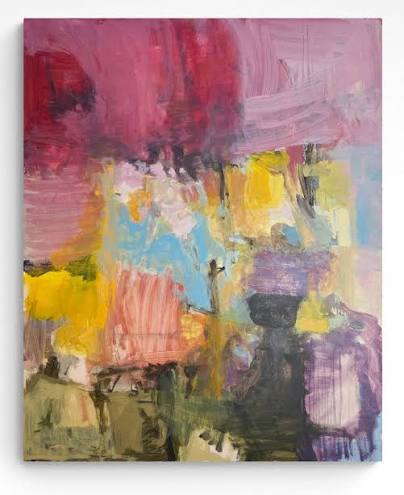
Choosing the right artwork can completely transform the atmosphere of a living space. Abstract oil paintings are especially popular because they combine colors, textures, shapes, and creative expressions without relying on realistic subjects. Their artistic flexibility makes them suitable for different interior design styles, from contemporary apartments to traditional homes.
When exploring artwork for your interior, consider how a painting will interact with your existing furniture, wall colors, lighting, and decorative elements. Browsing an Abstract Oil Painting for Sale can help you discover different artistic styles and compositions that complement your personal taste while adding character to your surroundings.
Understand Your Home Decor Style
Before selecting an abstract oil painting, identify the overall design theme of your home. Artwork should complement the existing environment rather than compete with it.
For example, minimalist interiors often benefit from paintings featuring simple shapes, balanced compositions, and limited color palettes. Modern spaces can accommodate bold geometric patterns, expressive brushstrokes, and vibrant contrasts.
Traditional interiors may look more harmonious with textured paintings featuring warm colors and softer transitions. Understanding your decor style makes it easier to narrow down suitable artwork.
Choose Colors That Complement Your Interior
Color is one of the most important factors when selecting an abstract oil painting. The right combination can create visual harmony, establish a mood, and make a room feel more inviting.
Consider the following approaches when choosing colors:
- Matching colors: Select artwork that incorporates shades already present in your furniture, curtains, rugs, or cushions.
- Contrasting colors: Introduce complementary colors to create an attractive focal point.
- Neutral palettes: Choose beige, gray, white, or muted tones for a calm and sophisticated appearance.
- Bold combinations: Use vibrant reds, blues, yellows, or greens to bring energy into a simple interior.
You do not need to match every color perfectly. Sometimes, a painting with one or two complementary shades is enough to connect different decorative elements.
Select the Right Painting Size
The dimensions of an abstract oil painting can significantly influence how it looks in a room. A painting that is too small may appear disconnected from the surrounding furniture, while an oversized piece can overwhelm a limited space.
For a large living room, consider a substantial canvas that creates a central visual attraction. Above a sofa, the artwork should generally occupy around two-thirds to three-quarters of the furniture’s width.
Smaller paintings work well in bedrooms, hallways, reading corners, and compact office spaces. You can also arrange several smaller abstract paintings together to create a coordinated gallery wall.
Before purchasing, measure the available wall space and consider the distance from which people will usually view the artwork.
Consider the Room Where the Painting Will Be Displayed
Different rooms serve different purposes, so the artwork should reflect the atmosphere you want to establish.
Living Room
The living room is often the best place to display a statement abstract oil painting. Large compositions with expressive brushstrokes, layered textures, or striking color combinations can create an interesting focal point.
Position the painting above a sofa, fireplace, or main seating area to establish visual balance.
Bedroom
Bedrooms generally benefit from artwork that creates a peaceful and relaxing atmosphere. Soft blues, muted greens, earthy shades, and gentle abstract patterns can contribute to a comfortable environment.
Avoid overly aggressive color combinations if your goal is to create a calm sleeping space.
Dining Room
Dining areas provide an opportunity to introduce sophisticated and expressive artwork. Abstract paintings with rich colors, flowing forms, and balanced compositions can enhance the room without distracting from its primary function.
Home Office
For a home office, choose artwork that reflects your personality while supporting a productive atmosphere. Geometric designs, structured compositions, and energizing colors can add visual interest to an otherwise simple workspace.
Pay Attention to Artistic Style and Composition
Abstract oil paintings come in many different artistic styles. Understanding these variations can help you select a piece that matches your preferences.
Some common styles include:
- Geometric abstraction: Uses lines, shapes, and structured patterns to create organized compositions.
- Color field painting: Focuses on large areas of color to establish mood and visual depth.
- Abstract expressionism: Features energetic brushstrokes, spontaneous movements, and emotional intensity.
- Textured abstraction: Incorporates layered paint and visible surface details to create a three-dimensional appearance.
- Minimalist abstraction: Uses simple forms and restrained colors to achieve an uncluttered aesthetic.
Think about whether you prefer artwork that feels energetic, peaceful, dramatic, or balanced. The composition should create an emotional connection while complementing your interior.
Examine the Quality of the Oil Painting
Visual appeal is important, but artistic quality also deserves attention. A well-crafted oil painting can maintain its appearance for many years when produced with suitable materials and properly cared for.
Consider these quality factors before making a purchase:
Canvas quality: A properly prepared canvas provides a stable surface for oil paints and supports long-term durability.
Paint consistency: High-quality oil paints generally offer rich pigmentation and smooth color transitions.
Brushwork: Examine how the artist applies paint. Controlled brushstrokes, layered textures, and thoughtful details can contribute to the overall composition.
Surface finish: Look for an evenly prepared surface without unintended cracks, peeling, or damaged areas.
Framing and finishing: A suitable frame or professionally finished canvas can improve presentation and make installation easier.
For original artwork, also consider the artist’s technique, materials, and information about the painting’s creation.
Think About Lighting and Wall Placement
Lighting can change how an abstract oil painting appears throughout the day. Natural light may reveal subtle colors and textures, while artificial lighting can emphasize specific details.
Place artwork where it receives balanced illumination without prolonged exposure to direct sunlight. Excessive sunlight can gradually affect pigments and cause fading.
For evening display, adjustable picture lights or well-positioned ambient lighting can highlight the painting without creating distracting reflections.
Wall placement also matters. Artwork should generally be positioned at eye level, with enough surrounding space to allow viewers to appreciate its composition.
Balance the Painting With Existing Furniture
A successful interior design arrangement creates a visual relationship between artwork and furniture. Consider the proportions, shapes, and textures of nearby decorative elements.
For instance, a painting with flowing organic forms can soften a room containing straight-edged furniture. Conversely, a geometric abstract composition can introduce structure into a space with rounded furniture and curved decorative objects.
Avoid placing too many visually demanding elements around one artwork. Leaving sufficient empty wall space allows the painting to attract attention naturally.
Decide Between a Single Statement Piece and Multiple Paintings
Another important decision is whether to display one large abstract painting or several smaller pieces.
A single statement painting can establish a clear focal point and create a clean, organized appearance. This approach works particularly well in minimalist interiors and rooms with limited wall space.
Multiple paintings offer greater flexibility. You can arrange coordinated artworks in a symmetrical pattern or create an informal gallery wall with different sizes and compositions.
When displaying multiple pieces, maintain a connection through shared colors, artistic techniques, or similar themes. Consistent spacing also helps the arrangement look intentional.
Maintain Your Abstract Oil Painting Properly
Proper maintenance helps preserve the appearance and condition of an oil painting. Although oil paintings are generally durable, their surfaces require careful handling.
Follow these basic maintenance practices:
- Keep the painting away from excessive moisture and extreme temperature changes.
- Avoid placing it where direct sunlight reaches the canvas for extended periods.
- Remove loose dust carefully using a clean, soft, dry brush.
- Never use household cleaning products or water directly on the painted surface.
- Avoid touching the artwork frequently, as oils from your hands can affect its surface.
- Consult a professional art conservator if the painting develops cracks, discoloration, or other signs of damage.
Regular visual inspections can help identify potential problems before they become more serious.
Consider Your Personal Taste and Long-Term Preferences
Interior design trends change, but artwork can remain meaningful for decades. Instead of choosing a painting only because it is fashionable, consider whether you genuinely enjoy its colors, composition, and emotional character.
Think about how the artwork might fit into your home if you change furniture, repaint walls, or rearrange decorative accessories. Paintings with balanced compositions and versatile color combinations can adapt more easily to changing interiors.
A meaningful abstract oil painting should reflect your personality and contribute something distinctive to your living environment.
Final Thoughts
Choosing the perfect abstract oil painting for your home involves more than selecting an attractive image. Size, color, artistic technique, room function, lighting, and interior design all influence how well a painting fits into a space.
Take time to compare different compositions, examine material quality, and consider the atmosphere you want to create. Whether you prefer subtle textures or bold artistic expressions, the right artwork can bring personality, visual balance, and lasting character to your home.
As you explore different approaches to decorating with original and contemporary artwork, ARTLAND recognizes the importance of combining artistic expression with thoughtful interior design. Ultimately, the best painting is one that complements your surroundings while making your space feel more personal and inspiring.






Post Comment