How Can You Improve the Performance of a Wrap Around Packer?
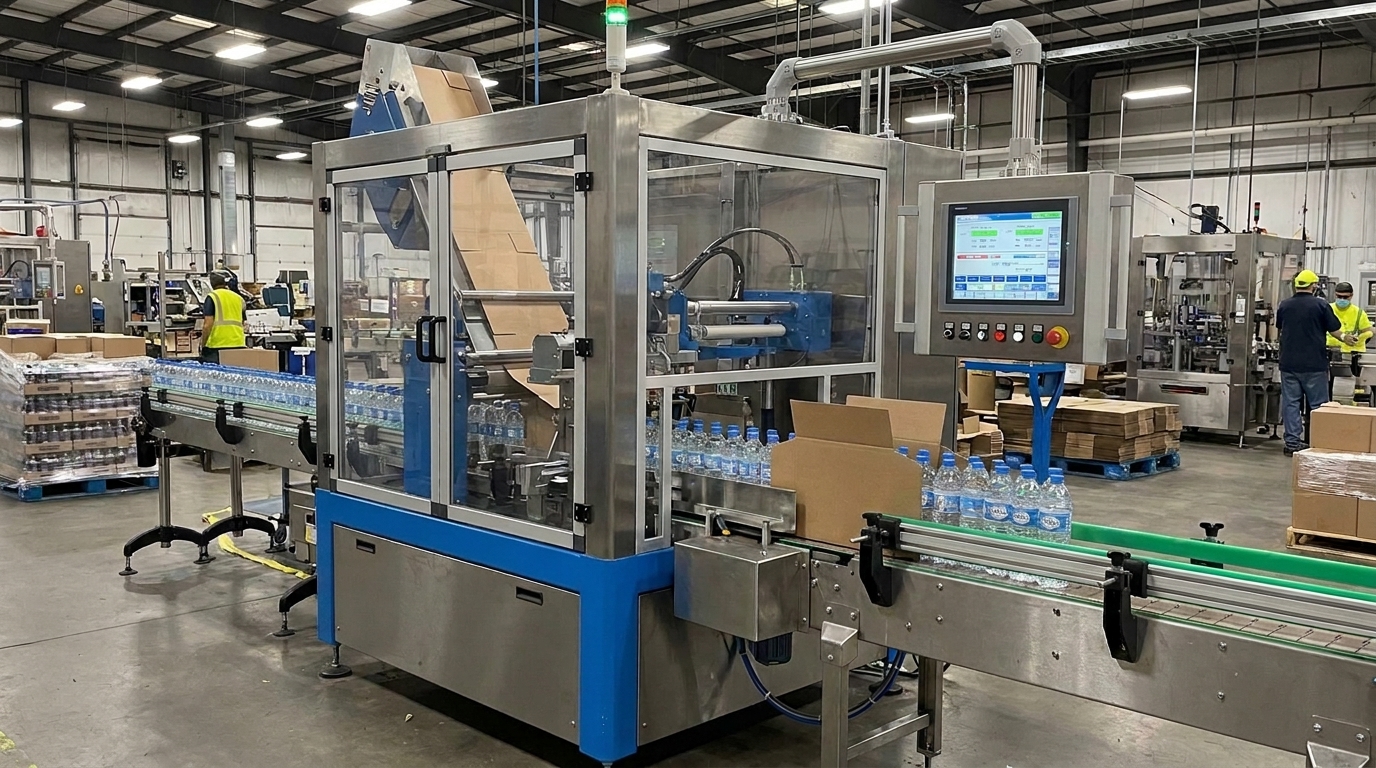
A packaging line needs more than a fast machine to maintain strong output. Product flow, carton quality, machine settings, operator practices, and regular care all affect how well the equipment performs. Small problems in any of these areas can reduce speed and create unnecessary stops.
A well-configured wrap around packer can handle demanding production requirements with consistent results. The key lies in matching the machine to your products and keeping every part of the packaging process working together.
Start With the Right Machine Settings
Machine settings have a direct effect on packaging performance. Incorrect timing, guides, conveyor speeds, or carton settings can cause products to move poorly through the packaging process.
Review the settings whenever you introduce a new product or carton size. Avoid simply using the same setup for every product because small differences in dimensions can affect product positioning and carton formation.
Keep Product Flow Consistent
Smooth product flow helps the machine maintain a steady production rhythm. Products that arrive too close together, too far apart, or at inconsistent speeds can create gaps and interruptions.
Check the infeed conveyor and product spacing regularly. Adjust guides and conveyor speeds so products reach the packing area in a controlled pattern.
A stable product flow also reduces the need for operators to intervene during production.
Use Consistent Carton Materials
Carton quality has a major impact on packaging performance. A machine may struggle when cartons have inconsistent dimensions, excessive moisture, weak folds, or damaged edges.
Choose cartons that match the machine’s specifications and maintain consistent board quality. Store packaging materials in suitable conditions to protect them from moisture and deformation.
Before starting a large production run, inspect cartons for:
- Correct dimensions
- Proper board strength
- Clean cutting and scoring
- Consistent folding points
- Damage or deformation
Good carton quality gives the machine a more predictable material to work with.
Optimize Product and Carton Alignment
Alignment problems often create unnecessary packaging defects. A product that enters the packing area slightly out of position can affect how the carton wraps around it.
Use guides and positioning components to keep products centered throughout the process. Check alignment after changeovers, especially when switching between products with different dimensions.
Even a small alignment adjustment can improve package consistency and reduce rejected cases.
Improve Changeover Procedures
Frequent product changes can reduce the productive time available on a packaging line. A slow changeover also increases the chance of incorrect settings when operators rush to restart production.
Create a simple changeover procedure for each product format. Mark commonly used settings where practical and keep adjustment points easy for operators to identify.
A good changeover process should cover:
- Product dimensions
- Carton dimensions
- Guide positions
- Conveyor settings
- Folding adjustments
- Adhesive settings
- Test package inspection
Standardizing these steps helps operators return the machine to production faster and with fewer setup errors.
Pay Attention to Adhesive Application
Adhesive performance affects both package quality and machine operation. Too much glue can create buildup, while too little adhesive may result in weak seals.
Keep the glue system clean and monitor application points during production. Check adhesive temperature, viscosity, and application consistency according to the equipment and adhesive specifications.
Operators should also inspect finished cartons rather than judging glue performance only by machine operation. A package that looks acceptable during production may still have a weak seal.
Match Line Speed to Real Production Conditions
Running a machine at its maximum rated speed does not always produce the best overall performance. Product characteristics, carton quality, upstream equipment, and downstream capacity all influence practical output.
A slightly lower speed with consistent production may deliver more finished packages per hour than a faster setting that causes frequent interruptions.
Track actual production results instead of focusing only on the machine’s maximum speed. Useful measurements include:
- Packages produced per hour
- Unplanned stops
- Product rejects
- Carton rejects
- Changeover time
- Operator interventions
These figures give you a clearer picture of real machine performance.
Keep Sensors Clean and Properly Positioned
Sensors help the machine detect products, cartons, and machine conditions. Dust, adhesive residue, product debris, or accidental movement can interfere with accurate detection.
Inspect sensors during routine production checks. Clean them using the method recommended for the equipment and verify that they remain correctly positioned.
A sensor problem may look like a mechanical fault when the actual issue comes from poor detection. Checking sensors early can save troubleshooting time.
Train Operators to Recognize Performance Issues
Operators interact with the machine throughout every production shift. Their knowledge can have a major effect on performance.
Training should cover normal machine behavior, product positioning, basic adjustments, safety procedures, and common warning signs.
Encourage operators to report changes such as unusual sounds, inconsistent carton formation, glue problems, repeated product jams, or irregular product spacing.
Early reporting gives maintenance teams a chance to address small issues before they affect a larger part of the production run.
Reduce Unnecessary Manual Intervention
A packaging machine should maintain a predictable flow with minimal manual correction. Frequent operator adjustments often point to an underlying issue with product feeding, machine settings, materials, or line integration.
Watch where operators spend the most time during a shift. Repeated manual corrections can reveal opportunities for improvement.
For example, frequent carton repositioning may indicate a feeding or alignment issue. Repeated product adjustments may point toward inconsistent upstream product spacing.
Improve Communication Between Packaging Equipment
A wrap around packaging machine rarely works alone. Conveyors, product handling equipment, carton systems, coding equipment, and downstream packaging equipment all affect the complete line.
One machine running faster than the equipment before or after it can create accumulation or empty periods.
Review the entire packaging flow when improving performance. Look for bottlenecks rather than focusing only on the packer.
Techflow Pack can help manufacturers evaluate packaging requirements and select equipment configurations that support efficient production.
Track Performance Over Time
Performance improvements become easier to identify when you have reliable production data. Keep records of machine output, stoppages, rejects, changeovers, and maintenance activity.
Compare results across different shifts and product formats. Patterns may reveal that a particular carton size, product, or production schedule creates more problems than others.
You do not need complicated software to start. A simple production log can provide useful information when operators record the same measurements consistently.
Check the Packaging Line During Peak Production
A machine may perform well during short tests but behave differently during long production runs. Heat, adhesive buildup, material changes, product accumulation, and mechanical wear can appear after several hours.
Observe the equipment during normal production conditions rather than judging performance only during startup.
Pay attention to repeated small interruptions. Several short stops may consume more production time than one obvious stoppage, especially across a full shift.
Choose Equipment That Fits Your Production Goals
Performance improvement starts before installation. The wrong machine configuration can create limitations that adjustments alone cannot solve.
Consider your product dimensions, carton styles, required output, changeover frequency, available floor space, and integration requirements when selecting packaging equipment.
Manufacturers should also think about future production needs. Equipment that handles today’s requirements comfortably may offer more practical value than equipment that only reaches the target speed under ideal conditions.
When Should You Consider a Performance Review?
A packaging line deserves closer evaluation when output falls without an obvious reason. Other warning signs include rising reject rates, longer changeovers, frequent operator intervention, or inconsistent package quality.
A performance review can help identify whether the problem comes from machine settings, materials, product flow, operator practices, or line integration.
Techflow Pack takes these factors into account when developing packaging solutions for different production environments.
Final Thoughts
Improving packaging performance does not always require running equipment faster. Better results often come from consistent product flow, suitable cartons, accurate machine settings, efficient changeovers, reliable adhesive application, and proper operator training.
Measure actual production results and look for repeated problems across the entire line. When you address the causes rather than simply reacting to individual stops, your packaging operation can achieve more consistent output and better package quality.


Post Comment