Modern Trends in ADA Compliant Sink Design

As accessibility and inclusivity continue to gain importance in both residential and commercial spaces, modern ADA compliant sinks are evolving to meet new aesthetic, functional, and sustainability standards. Today’s designs combine compliance with style, durability, and innovative features that enhance usability for individuals with disabilities or mobility challenges. Beyond meeting Americans with Disabilities Act (ADA) requirements, contemporary sinks are now tailored to fit seamlessly into modern bathroom interiors while offering advanced functionality.
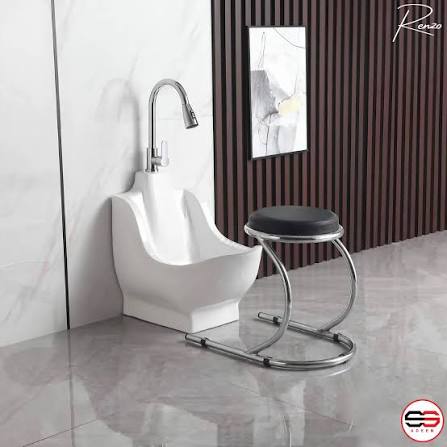
One of the most significant trends in ADA-compliant sink design is the focus on minimalism and space efficiency. Wall-mounted sinks have become increasingly popular due to their ability to provide open knee clearance while maintaining a sleek, modern look. Pedestal sinks and integrated countertop sinks are also being reimagined to allow better accessibility without compromising on design aesthetics. These modern approaches ensure that bathrooms remain functional and stylish while accommodating the needs of all users.
Table of Contents
ToggleInnovative Materials and Finishes
Material selection has become a key factor in contemporary ADA sink design. Traditional ceramic and porcelain are still widely used, but there is a growing trend toward solid surface composites, engineered stone, and stainless steel. These materials not only provide durability and resistance to stains and scratches but also offer a variety of finishes that complement modern bathroom interiors. For homeowners and commercial facility designers seeking a combination of accessibility and elegance, an ADA Compliant Sink provides high-quality options that balance style, compliance, and long-term functionality.
Smooth, non-porous surfaces have become a design priority because they are easier to clean and maintain, especially in public or healthcare settings where hygiene is critical. Matte finishes, textured surfaces, and integrated sinks that flow seamlessly into countertops are also gaining popularity. These designs not only enhance aesthetic appeal but also prevent the accumulation of dirt and bacteria in seams and joints, promoting a safer, more hygienic environment.
Technology and Sensor Integration
Modern ADA-compliant sinks increasingly incorporate technology to enhance accessibility and efficiency. Touchless faucets and automatic soap dispensers are becoming standard features, particularly in commercial and healthcare bathrooms. Sensor-activated faucets reduce the need for manual operation, improving usability for individuals with limited mobility or dexterity while promoting hygiene by minimizing contact with surfaces. In addition, some sinks feature temperature control systems that provide consistent water flow, preventing accidental burns and improving safety for users of all ages and abilities.
Water efficiency is another growing trend in modern ADA-compliant sink design. Low-flow faucets and aerators reduce water consumption without compromising performance. These features are not only environmentally responsible but also help facilities save on utility costs, making them an attractive option for both residential and commercial applications.
Design for Compact and Multifunctional Spaces
Small and multifunctional bathrooms are becoming more common, prompting designers to create ADA-compliant sinks that maximize usable space. Corner sinks, wall-mounted units, and narrow pedestal sinks allow for sufficient clearance while conserving floor space. Floating vanities with integrated sinks are another trend that combines accessibility with storage, offering a practical solution for residential bathrooms where space is limited. These designs maintain ADA compliance while providing modern aesthetics and functionality.
Customization and Aesthetic Options
Customizable ADA sinks are increasingly in demand, allowing homeowners and designers to match the sink with the overall bathroom style. Options for color, finish, shape, and faucet style give users flexibility to integrate ADA-compliant fixtures into contemporary, luxury, or minimalist bathroom designs. Rounded edges, geometric shapes, and sleek lines are popular modern choices that balance accessibility with visual appeal.
Sustainability and Eco-Friendly Design
Sustainability has become an essential consideration in modern ADA-compliant sink design. Eco-friendly materials, water-saving faucets, and durable surfaces that extend the lifespan of the sink are key features. Many manufacturers now focus on using recycled or recyclable materials and implementing energy-efficient production processes. These trends make ADA-compliant sinks not only accessible and stylish but also environmentally responsible.
Conclusion
Modern ADA-compliant sinks are no longer purely functional; they are designed to combine accessibility, aesthetic appeal, durability, and sustainability. Wall-mounted and pedestal options, integrated countertops, and compact designs maximize space while providing essential knee and toe clearance. Advanced materials, touchless technology, and eco-friendly features ensure that these sinks meet the needs of contemporary bathrooms in both residential and commercial settings. By selecting a high-quality ADA-compliant sink, designers and homeowners can create inclusive, safe, and stylish bathrooms that reflect modern trends while meeting accessibility standards.



Post Comment