Rigid Core Vinyl Plank: A Durable Solution for Modern Interiors
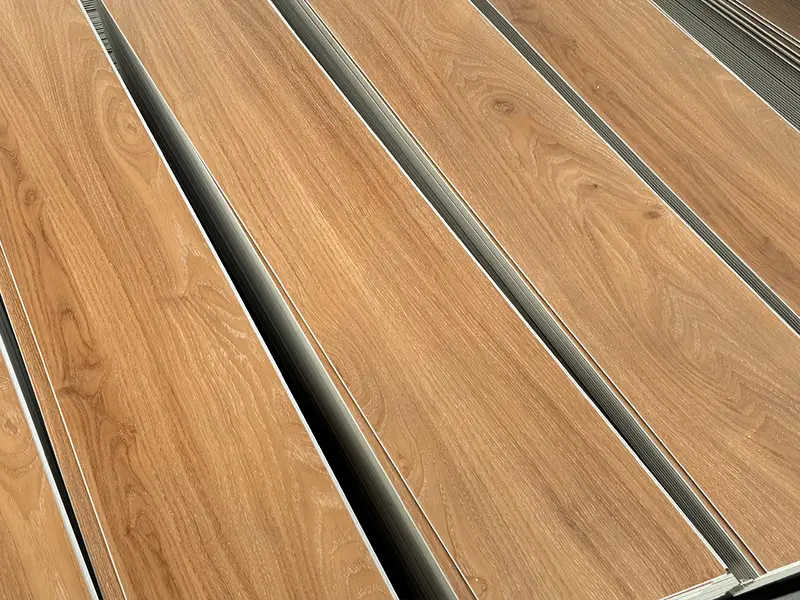
Modern interior design often calls for materials that combine visual appeal with practical everyday performance. Homeowners may want the warmth of a timber-inspired floor without the maintenance associated with natural wood, while commercial designers may need a finish that suits a busy environment. Rigid core vinyl plank flooring offers one approach to meeting these varied preferences.
A Rigid Core Vinyl Plank is a vinyl flooring product built around a firm central layer rather than a fully flexible construction. Many products in this category use an SPC or WPC core and feature decorative films that reproduce wood or stone appearances. The result is a floor covering available in a wide range of designs, with specifications that can suit different types of interior when selected appropriately.
Inside the Construction of a Rigid Core Plank
Understanding the layers helps explain why products in this category differ.
A typical rigid core vinyl plank may contain four main components:
- Wear layer: A transparent protective surface intended to help resist everyday abrasion.
- Decorative layer: A printed film that creates the visual pattern.
- Rigid core: The central composite structure that gives the plank its form.
- Backing layer: An attached underlay or backing, included on some models.
The exact composition varies. SPC cores generally contain mineral filler and polymer materials, while WPC products use a different composite formulation.
The distinction matters because two planks that look similar may have different construction and performance characteristics.
The Appeal of a Firm Core
A rigid core gives the product a more substantial structure than many flexible vinyl options. This can make it suitable for projects where a firm plank format and click-lock installation are preferred.
The core can contribute to dimensional stability under normal use, but it does not make the flooring indestructible. Heavy point loads, unsuitable subfloors, excessive heat, and incorrect installation can still cause problems.
Buyers should check the manufacturer’s technical information and intended-use guidance before selecting a product.
Design Possibilities for Different Interiors
One reason rigid core vinyl planks are used in modern interiors is their range of decorative finishes.
Timber-Inspired Patterns
Oak, walnut, ash, and other wood-effect designs can create a familiar appearance in living rooms, bedrooms, offices, and retail spaces.
Plank width, length, grain detail, and surface embossing influence how realistic the finish looks. A textured surface may add visual depth, while a low-variation pattern can create a more uniform appearance.
Stone and Contemporary Effects
Some product collections offer finishes inspired by natural stone, concrete, or other architectural surfaces. These can work well in minimalist interiors, reception areas, and open-plan spaces.
Sample boards should be viewed in the intended room because lighting can change the appearance of flooring colours.
Where Can Rigid Core Vinyl Plank Be Installed?
Potential applications include residential living areas, bedrooms, hallways, offices, and selected commercial interiors.
Suitability depends on the product’s rating and the conditions at the installation site. A plank approved for light residential use may not be suitable for a heavily trafficked shop or public corridor.
Moisture conditions also need attention. Many rigid core products have water-resistant characteristics, but the complete floor assembly may not be waterproof. Water can enter through edges, transitions, or poorly detailed joints.
Installation: Preparation Determines the Result
Most click-lock rigid core planks are installed as floating floors. The individual pieces connect without requiring full-surface adhesive, although the exact system depends on the manufacturer.
The subfloor must meet requirements for flatness, cleanliness, dryness, and stability. Uneven areas can place stress on the locking joints.
Installers should also check expansion allowances, door clearances, transitions, and restrictions involving fixed cabinets or heavy fixtures. Underlay should only be added if the product instructions permit it.
Keeping the Floor Looking Its Best
Routine care usually involves removing loose dirt and cleaning with products approved for the flooring. Use protective pads beneath furniture and lift heavy objects rather than dragging them across the surface.
Avoid harsh chemicals, abrasive tools, or excessive water unless the manufacturer specifically permits them.
A Balanced Choice for Contemporary Spaces
Rigid core vinyl plank flooring offers a combination of decorative flexibility and a firm construction that may suit many modern interiors.
The most important step is choosing a product with appropriate technical specifications for its intended location. Compare the wear layer, core type, locking profile, warranty, and installation requirements before purchasing.
When product selection and preparation are handled carefully, rigid core vinyl planks can provide an attractive and practical foundation for residential and commercial design.




Post Comment