How Can A Swiss Lathe For Sale Handle Complex Small-Diameter Components?
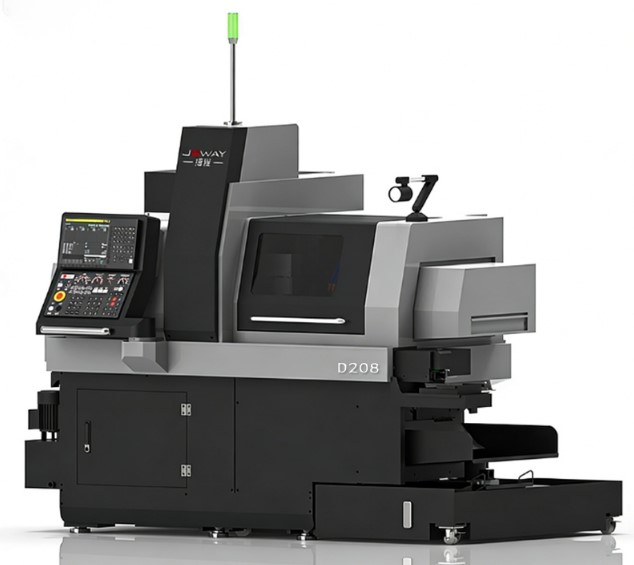
Small-diameter components often demand exceptional control during machining. Their narrow profiles leave little room for cutting errors, vibration, or material deflection. Manufacturers need equipment that can maintain dimensional accuracy while completing multiple operations efficiently.
A swiss lathe for sale can address these challenges through its specialized workholding, guided material support, multi-axis movement, and efficient tooling arrangements. These features make Swiss-type CNC machining suitable for complex components that require tight tolerances and consistent production results.
Why Small-Diameter Machining Requires Special Control
Machining a thin component differs from machining a larger, more rigid workpiece. Small diameters provide less structural support, which increases the risk of deflection when cutting forces act on the material.
Even minor movement can affect dimensions, surface finish, and feature location. Swiss-type machines address this issue by supporting the workpiece close to the cutting area.
The result helps maintain greater stability throughout the cutting process, especially when manufacturers work with long, slender components.
How The Guide Bushing Supports Precision
The guide bushing plays a central role in traditional Swiss-type machining. It holds the bar stock close to the cutting tools while the material advances through the guide system.
This arrangement minimizes unsupported material between the guide and cutting zone. Reduced unsupported length helps limit deflection and vibration during machining.
Guide bushing support proves especially useful when producing narrow shafts, pins, miniature connectors, medical components, and other slender parts.
Multi-Axis Machining Handles Complex Features
Complex small-diameter components often require more than basic turning. A single part may include grooves, threads, cross holes, slots, flats, and other detailed features.
Multi-axis Swiss-type CNC machines allow different cutting operations to take place within the same production cycle. This reduces the need to transfer parts between separate machines.
Fewer setups also help reduce handling errors and maintain better alignment between different features.
Live Tooling Expands Machining Capabilities
Live tooling allows rotating cutting tools to perform operations beyond conventional turning. Depending on the machine configuration, manufacturers can use live tools for milling, drilling, slotting, and other operations.
This capability helps manufacturers produce complex geometries without relying heavily on secondary machining processes.
For small components, reducing additional setups can provide important benefits. Each transfer between machines introduces another opportunity for positioning variation or handling damage.
Main And Sub-Spindle Coordination
A sub-spindle can provide another advantage when components require machining on both ends. Instead of removing a partially completed component and setting it up again, the machine can transfer the workpiece for additional operations.
This approach supports more complete machining within a single automated cycle. It also helps maintain consistent positioning between front-side and back-side features.
Manufacturers should compare spindle speed, power, synchronization, and workholding options when evaluating Swiss-type machine configurations.
High-Speed Machining Supports Production Efficiency
Small components often require high production volumes, particularly in industries that use precision miniature parts. Machine speed therefore matters alongside accuracy.
High spindle speeds can support efficient cutting when matched with appropriate tooling, material, and cutting parameters. Fast tool movements can also help reduce non-cutting time during complex production cycles.
However, speed alone does not guarantee productivity. Manufacturers should consider the complete machining cycle, including tool changes, material feeding, part transfer, and chip evacuation.
Tool Management Helps Maintain Consistency
Complex parts may require several cutting tools within one cycle. Proper tool positioning and management help each tool reach the required feature accurately.
Manufacturers should review the number and type of tool stations available on a machine. They should also check whether the configuration supports the drilling, milling, threading, and turning tools required for their components.
Effective tool management can reduce setup interruptions and help maintain consistent production quality across longer runs.
Swiss Machining Works With Different Materials
Small precision components can come from many materials, including stainless steel, aluminum, brass, titanium, and engineering plastics.
Each material creates different cutting conditions. Harder materials may require more robust tooling and carefully controlled cutting parameters, while softer materials may require attention to chip formation and surface finish.
A suitable Swiss-type machine provides the stability and control needed to adapt machining strategies to different materials.
Why Fewer Setups Matter For Complex Components
Every additional setup requires operators to reposition and verify the workpiece. Complex small parts leave little tolerance for positioning errors.
Swiss machining combines multiple operations into one production process. Turning, drilling, milling, threading, and other features may take place without removing the component from the primary machining environment.
This approach can shorten production flow while improving consistency between individual features.
Industries That Use Small-Diameter Swiss Machining
Swiss-type CNC machining serves applications where precision, repeatability, and small dimensions matter. Common examples include:
- Medical and surgical components
- Electronic connector components
- Automotive precision parts
- Watch and instrumentation components
- Aerospace miniature components
- Small hydraulic and pneumatic parts
Each application has different dimensional and material requirements, so manufacturers should select the machine configuration according to their actual component designs.
What To Check Before Choosing A Machine
A machine’s advertised capabilities should match the requirements of the parts it needs to produce. Before making a purchasing decision, manufacturers should review several specifications.
Pay particular attention to:
- Maximum bar capacity
- Guide bushing configuration
- Number of machining axes
- Main and sub-spindle specifications
- Live tooling capacity
- Maximum spindle speed
- Tool station arrangement
- Machine repeatability
- Automation compatibility
- CNC control capabilities
These specifications provide a more practical basis for comparison than machine price alone.
How JSWAY Approaches Precision Swiss Machining
JSWAY provides Swiss-type CNC machining equipment designed for high-speed and precision applications. Its configurations can support manufacturers that need to machine detailed small components while combining multiple operations.
When evaluating a JSWAY machine or another Swiss-type CNC solution, manufacturers should compare the machine’s specifications against actual part drawings, material requirements, tolerances, and expected production volumes.
Improve Production With The Right Configuration
A Swiss lathe handles complex small-diameter components through a combination of close workpiece support, precise tool movement, multi-axis machining, and efficient material handling. These features help control deflection while allowing manufacturers to complete detailed features within streamlined production cycles.
The most suitable configuration depends on the component rather than simply the machine’s maximum capabilities. By evaluating guide bushing support, tooling, spindle performance, axis configuration, automation, and accuracy together, manufacturers can select equipment that supports reliable small-part production.
JSWAY offers configurations worth considering for manufacturers seeking precision machining equipment for demanding small-diameter components. A careful comparison of machine specifications and production requirements can help ensure the selected Swiss-type CNC lathe delivers the required balance of accuracy, productivity, and flexibility.



Post Comment